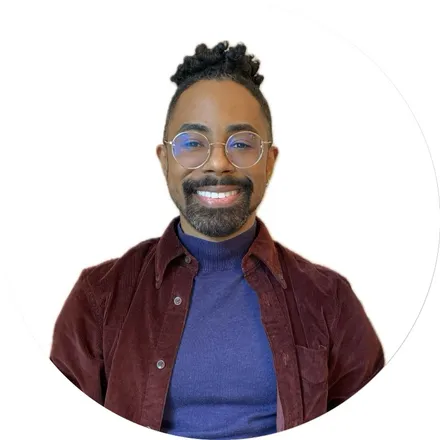
Araya Baker
Licensed Professional Counselor Associate
Texas
Online & In-PersonAccepting New Clients
About Araya
My most important commitment is that you feel truly affirmed, empowered, and heard. I listen with deep curiosity and humility, always honoring your unique story and how your lived experiences have shaped your values, hopes, and emotional needs.
Whether you’re grappling with anxiety, self-doubt, grief, people-pleasing, or power struggles in your relationships, I create a nonjudgmental space to explore complex feelings like guilt, insecurity, jealousy, regret, resentment, and more. I also offer a deep understanding of cultural pressures, marginalization, and power dynamics.
For over 15 years, I've worked alongside diverse communities in public health and education––from LGBTQIA+ centers, sexual health programs, and reproductive justice organizations, to disability centers, trauma-informed crisis lines, and under-resourced schools.
Across nearly two decades, I have supported numerous people of color and immigrants––many of them queer and/or trans––as they negotiated multiple perspectives on belonging, cultural authenticity, discrimination, failure/success, faith, family, sexuality, and social class. Witnessing the tenacity, self-awareness, compassion, and character of cycle-breakers was one of a few major motivators for entering the profession.
I earned an M.Phil.Ed. in Professional Counseling from the University of Pennsylvania's Graduate School of Education and an Ed.M. in Human Development & Psychology at Harvard's Graduate School of Education.
Insurance Accepted
AetnaBlue Cross Blue ShieldCignaOptumOscar HealthUnitedHealthcare
Out-of-Network Cost
$150 per session
Specialties · Women's Issues
How do you work with clients with women's issues?
Embedded in my counseling work are ethical (and epistemological) frameworks grounded in gender and sexual justice. Particularly important concepts/principles are bodily autonomy, the right to self-determination, consent, contextual thinking, power-sharing, egalitarian leadership, interdependence, and critiques of patriarchal emotional socialization. Addressing these topics in counseling comes up in both relational and individual sessions, as clients make sense of how assumptions about gender, sexuality, and patriarchy inform their power struggles. I also support clients as they unpack their own patriarchal socialization and/or internalized misogyny, and this endeavor can be particularly life-changing if they are gay men or women who identify as feminists. Perhaps most importantly, I incorporate feminist values into how I interact with clients, inviting them to process how the differences between us affect their engagement, respecting the legitimacy of their own lived experience and self-expertise, as well as fostering an egalitarian, non-hierarchical dynamic that invites feedback, constructive criticism, and collaboration.
Lastly, I have experience counseling women with concerns about reproductive health (e.g., PMDD, birth control side effects, hysterectomies, infertility, pregnancy and postpartum stress, all stages of menopause, etc.).
Specialties · Racial Identity
How do you work with clients with racial identity issues?
Interwoven into my counseling work is scholarship of structural racism, white/racial privilege, and the distinction between prejudice and racism (prejudice + power). This integration goes beyond a mere acknowledgement of racism as a potential pitfall/threat to people of the global majority, and extends to –– exploration of how racial dominance is internalized psychologically, spiritually, and emotionally. One example of integrating antiracism with counseling is supporting clients as they re-remember how intergenerational racial trauma shaped the theologies, survival strategies, power dynamics, and parenting practices of their families––for better or worse. Another instance is holding space for clients as they unpack the detrimental impact of colonial socialization on their self-worth, body image, and overall relationship to vulnerability/authenticity. Yet another example is putting language to clients’ perceptions of white supremacy culture in the workplace, and even in institutional spaces led and/or created by non-white people.
Specialties
Trauma and PTSDStressAnxietyChronic Illness and PainRacial IdentitySelf EsteemTransgender
Client Focuses
AdultNon-BinaryTransgenderLGBTQ+AsexualGay or Lesbian
Approaches
Acceptance and Commitment (ACT)FeministGottman MethodNarrativePsychodynamic