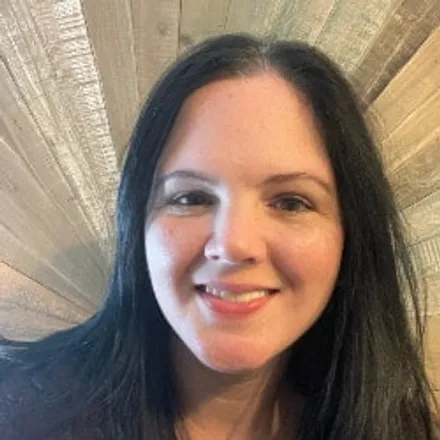
Amanda Trost
Online & In-Person
About Amanda
Now scheduling in person and telehealth sessions. Help is available for symptoms of anxiety and depression, working through past trauma, managing perfectionism, improving communication with others, relationship concerns, navigating workplace dynamics and more. We specialize in complex trauma/CPTSD.
Insurance Accepted
AetnaCignaOptumUnitedHealthcare
Out-of-Network Cost
$75 - 135 per session
Sliding scale
Specialties · Anxiety
What's your experience with clients with anxiety?
Anxiety is a normal part of life, but when worrying takes over and prevents you from fully living life, we are here to help. Replaying past situations in your head or rehearing conversations that may or may not even happen in the future becomes exhausting. Fear about everyday situations creeps in despite efforts to relax. You may experience panic attacks, waves of fear that immobilize you and leave your heart racing. Panic attacks often strike seemingly out of the blue without a clear reason and can make you feel like you’re dying.
Therapy can help the person to understand and manage their emotions. This can help to reduce feelings of both anxiety, depression, and many other concerns.
You’ll discover that your emotions are little messengers who help alert you when something isn’t quite right or even unfair. Managing your emotions doesn’t mean they’ll go away; in fact, you will learn to experience your emotions more deeply.
Therapy can also help you develop better coping skills to manage life’s stressors. Sometimes, life can be challenging, even unfair. There may be times when you don’t really feel like life is giving you lemons so much as pelting you with them.
Through various breathing exercises, mindfulness meditation, or even jamming out to your favorite song, you can discover new ways to deal with difficult situations in a healthier way. We all have difficulties at work, at home, and at times, even with our friends, and learning to deal with these problems is a necessary component of leading a healthy lifestyle.
In addition, therapy can help you get to the root cause of anxiety and create a plan to tackle it.
About Me
Why did you become a therapist, and what motivates you to continue?
My own therapy changed my life. I felt heard and was able to process and manage the ways in which trauma gaslights us into shame, guilt, and anxiety. I knew I wanted to help others experience the same.
About Me
For people that are hesitant to try therapy, what do you wish you could tell them?
It's normal to feel anxious or hesitant. We come to therapy to share and explore things that are causing us distress. It isn't easy to reach out or to start counseling, and it often triggers feelings that can be overwhelming or make us feel vulnerable. But it's often the firs step in healing.
One thing to remember is that you're in control. While the issues that bring you to therapy may be very difficult to discuss, our conversations should leave you feeling respected and be comfortable enough for you to be yourself. It's important to tackle things at a speed and direction that feels right for you and you have the right to wait until you're ready to bring up different topics.
It often helps to know what to expect. Our first session will include a little more information on the counseling process, making sure to address any questions you might have. This is also a time to discuss your goals for therapy, look at ways we might work together to reach those goals, and make to sure you feel comfortable and that we are a good fit to work together.
Specialties · Trauma and PTSD
Why is trauma processing important?
Childhood trauma occurs when we experience or witness negative events we aren’t prepared for or don’t have support in recovering from. This might look like physical, sexual, or emotional abuse, neglect, substance abuse by a parent or other adult, witnessing violence or abuse toward someone else in the home, or not having our basic physical and emotional needs met.
Growing up with trauma or toxic family dynamics makes us more likely to experience stress and anxiety later in our lives. Survivors of such situations are more likely to suffer from chronic illnesses, have difficulty with attention spans, struggle with academic or professional performance, and have difficulty coping with stress.
There is a ton of healing that is done just by telling our story. Often we see symptoms reduce significantly after getting it off our chests.
Realizing you’re not alone also helps, and knowing that others who have experienced what you have experienced have healed lets us know it can be done. Working to process trauma includes looking at the common effects, relationship dynamics, and behavioral patterns we often see in those that have undergone trauma. We work to realize it's not what's wrong with you, but what happened to you.
In addition, processing trauma includes identifying and interrupting triggers and planning a course of action to set new patterns and behaviors in place.
About Me
What should people thinking about working with you, know about you?
My passion is working with clients who experienced trauma and dysfunction growing up and helping them work to understand themselves, their personal and family histories, and the world around them. Clients often find that doing so helps reduce and manage symptoms of depression and anxiety, improve relationships, draw stronger boundaries, and change behavioral patterns such as procrastination or perfectionism.
I love working with those who are ready to look back at the past to make sense of the present. Workplace, social situations, and romantic relationships often trigger behaviors and patterns from our childhoods or past relationships. We catch ourselves being defensive, anxious, people-pleasing, or in co-dependent relationships and wonder why we so often find ourselves in toxic workplace environments or why we’re attracted to the same type of partner over and over. Healing from our pasts and making a plan for the future starts here.
Specialties · Grief
How do you work with clients with grief?
Grief is a reaction we often feel after the death of someone important in our lives. It's also a reaction we often feel after any significant loss. Many of us are in the process of grieving 'what could have been' after life threw a curveball. For a lot of us, 2020 was traumatic, and we are still living with its associated grief.
Grief sneaks up on us at strange times. We often postpone dealing with loss, and it's common to have a period of time where life seems to be going just fine, and then bam... grief emerges.
Mourning a death, the loss of a relationship, or an unexpected change of course in life is not something you “move on” from. It's something we learn to live with, grow with, and manage. It's also not something that has a beginning, middle, or end. There are stages of grief, but they don't usually line up in order, and they aren't easily checked off and completed.
About Me
What does a typical session with you tend to look like?
We have the option of meeting virtually/via telehealth, or in my office in SW Houston. If in person, you have the option of including Zen, the Therapy Cat (on Facebook and Instagram as zenthetherapycat) in our sessions. His presence often helps clients feel more comfortable, especially when discussing emotional or difficult content.
There is a lot of power in sharing your story. Our sessions may include a lot of just that, with me asking questions along the way to make sure I understand the dynamics at play and what is important to you. We may notice patterns, themes, or reconceptualize parts of the story and examine its impact.
There may be specific goals that we are working on overall or in a particular session, but it's always okay to pivot and explore changing directions if something else comes up or if you're feeling the need to discuss something else.
Sometimes clients know they want to start therapy but don't know where to start or don't know what to talk about. That's okay too.
About Me
How can you provide care remotely?
Appointments are available in person in Houston, TX or virtually/via secure telehealth platform to residents of Texas.
Location
101 Southwestern Blvd
Sugar Land, Texas 77478
Specialties
AnxietyDepressionGriefSelf EsteemStressTrauma and PTSD
Client Focuses
TeenAdultElders (65+)
Approaches
Attachment-basedEclecticHumanisticInterpersonal (IPT)Motivational Interviewing