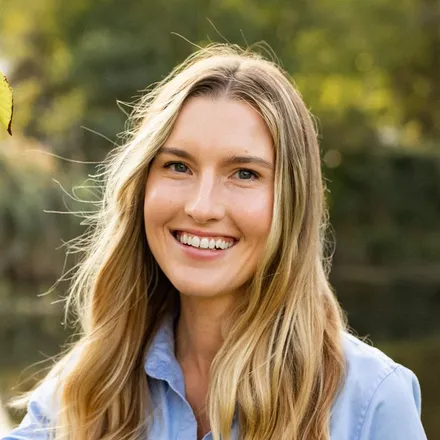
Darcy Cahill
LCSW
New York
Online TherapyAccepting New Clients
About Darcy
Hi, I'm Darcy Cahill, LCSW. I approach therapy through a deeply relational lens — my work is grounded in Internal Family Systems (IFS) and Hakomi's core tenet of loving presence, which means showing up for my clients with real attunement, not just technique. Self-compassion is at the heart of how I practice; I believe lasting change happens when we can finally turn toward ourselves with the same kindness we so easily offer others.
I'm especially passionate about the transitional seasons of a woman's life — the biopsychosocial-spiritual shifts of new motherhood, perimenopause, and everything in between — as well as couples work, burnout in motherhood, and the family dynamics that show up around addiction and codependency. As a mother of two young children myself, I understand these transitions from the inside, not just from a clinical perpective. My own journey of healing and transformation is part of why I do this work — I've seen firsthand what's possible on the other side of struggle, and I bring that sense of possibility into the room with every client.
More than anything, I love being a therapist. I'm a lifelong learner, always in training, reading, and deepening my own understanding. What clients often tell me sets me apart is that I really get them — they can tell me anything without judgment, and they feel genuinely connected to and seen by me.
Insurance Accepted
AetnaBlue Cross Blue ShieldCignaOptumOscar HealthUnitedHealthcare
Out-of-Network Cost
$125 - 225 per session
About Me
What inspired you to become a therapist, and what keeps you motivated?
I was inspired to become a therapist by my own experiences in therapy — both the helpful and the not-so-helpful ones — as well as my own healing and transformation through difficult seasons in early adulthood. I've also always been drawn to people and their stories; I've been a voracious reader of novels for as long as I can remember, and that same curiosity about human nature, potential, and the beauty and pain of relationships carried me toward this work.
What keeps me motivated is simple: I genuinely love what I do, and I care deeply for my clients. This work energizes me rather than drains me; most days, it barely feels like a job.
About Me
For people hesitant to try therapy, what do you wish you could tell them, and what advice would you give?
Therapy is first and foremost a relationship, and we will move at the pace that is best for you. I want therapy to feel like a relief for you, somewhere to slow down and let go of all the things that you may hold in or push away as you move throughout your week. Starting therapy can be a gift to yourself.
Approaches · Internal Family Systems (IFS)
How does internal family systems (IFS) work, and what do sessions look like?
Internal Family Systems (IFS) is an evidence-based therapeutic model that views the mind as made up of different "parts" — protective parts that keep us safe (often through control, avoidance, or self-criticism) and wounded parts carrying pain from past experiences — all organized around a core "Self" that is naturally calm, curious, and compassionate. IFS has been recognized as an evidence-based practice by SAMHSA's National Registry and has a growing base of clinical research supporting its effectiveness for anxiety, trauma, depression, and body-image concerns.
For women navigating major life transitions — like the hormonal and identity shifts of perimenopause, or the profound upheaval of becoming a mother for the first time — IFS offers a gentle but powerful framework for making sense of what can feel like an internal free-for-all: the anxious part, the exhausted part, the part that misses who you used to be, the part trying to hold it all together. Rather than pathologizing these shifts, IFS helps clients build a compassionate relationship with each part of themselves, reducing overwhelm and reconnecting them to a steadier sense of Self during a season when so much else feels uncertain.
Approaches · Gottman Method
How does the Gottman method work, and what do sessions look like?
The Gottman Method is a research-based approach to couples therapy developed from over five decades of study on what makes relationships succeed or fail. Rooted in this extensive body of research, it offers concrete, practical tools for building friendship, managing conflict, and creating shared meaning as a couple — rather than relying on generic communication advice.
For couples navigating major life transitions — like the identity and role shifts that come with perimenopause, or the seismic adjustment of welcoming a first baby — the Gottman Method is especially helpful. These seasons often bring new sources of conflict, shifts in intimacy, and a sense of "we don't feel like a team anymore." Gottman-based work helps couples strengthen their friendship, repair effectively after conflict, and stay connected as partners even while so much else in their lives is changing.
Specialties
AnxietyCouples TherapyPregnancy, Prenatal, PostpartumSelf EsteemTrauma and PTSDWomen's Issues
Client Focuses
Elders (65+)Adult
Approaches
Gottman MethodInternal Family Systems (IFS)Person-CenteredPsychodynamicSomatic