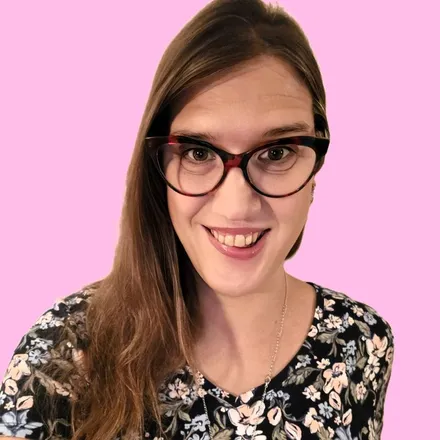
Jessica Brown
Psychologist (PhD, CP)
Ridgeland, Mississippi
Online & In-Person
About Jessica
After having served as a counselor while in the military, I later pursued a PhD in Psychology so that I could help meet the growing demand for available and affordable mental healthcare in this area, especially for those who are part of marginalized groups (such as the LGBTQ+ community) and cannot find safe and affirming people to talk to. While I have my particular specialties, I am more than happy to talk to anyone who is in need of psychological counseling, therapy, evaluations, and support. I'm very knowledgeable with the topics of depression, anxiety, gender dysphoria, ADHD, PTSD, autism, sexuality, and more. I try to make patients feel as comfortable and validated as possible.
Out-of-Network Cost
$50 - 200 per session
Sliding scale
Top specialtyDepression
How do you work with clients with depression?
Despite the fact that depression seems like a common issue in today's world, it's actually one of the most unique issues out there. Depression affects everyone in their own way, even if we can identify certain commonalities that a lot of people suffering from depression experience.
Medication can absolutely help to mitigate the symptoms of depression, particularly if the issue is chemical in nature, but my goal is to work with my patients to get to the heart of where their depression comes from, identifying as many of the triggers and causes that we can, and working with them to address as many of these issues as we can over time so that they can eventually reach a point where not only are they finally out of the quagmire, but they are putting a healthy distance between themselves and the things that have been dragging them down.
I also always reinforce the fact that everyone can have an off day, an off week, or even an off month. It's okay to have setbacks, but it's through these setbacks that we can learn even more about ourselves, learn about new triggers that feed into the struggles we deal with, and come up with new strategies to help us overcome these things together.
Top specialtyTransgender
How do you work with clients with transgender issues?
I want my patients to feel as safe as possible when talking to me. It can be a real struggle to find affirming therapists, psychologists, and psychiatrists who provide a safe and nonjudgmental environment for their patients and this only adds to the mounting stress they're dealing with.
Whether they are only now just starting to question their gender identity or they've already been transitioned for a long time, I make myself available to discuss all aspects of gender transition with my patients, including their struggles with gender dysphoria since that never fully goes away for many.
Based on my own personal experiences and having lived in the South for a long time, I feel uniquely qualified to provide extra assistance to those who need it by sharing my own experiences with them and helping to put them in touch with others who can provide support for them.
About Me
Why did you become a therapist, and what motivates you to continue?
I ultimately got into therapy after seeing just how big of a mental healthcare desert existed in this area in terms of the availability of affordable care. This is even more true for marginalized people living in the South.
I've always been told that I'm a good listener and when I was in the military I eventually served as a counselor, talking to soldiers and officers about depression, anxiety, marriage and family issues, PTSD, and even gender dysphoria. In the years after serving, I found myself applying those skills in order to talk people through major issues they were having, including friends of mine in the LGBTQ+ community. I eventually decided to work towards a PhD in Psychology so that I'd be better able to serve people in need, particularly those who are in need but cannot afford professional help.
Depression, anxiety, ADHD, autism, gender dysphoria and other LGBTQ+ issues, etc. should not be the taboos that they seem to be today. What motivates me to continue is seeing just how much I can help people by listening to them and coming up with a plan of action that puts them on a path towards recovery. My motivation is to shatter these taboos and get people to freely talk about their struggles so that they can be the person they truly want to be.
About Me
For people that are hesitant to try therapy, what do you wish you could tell them?
Trying anything new can be a bit stressful at first, but opening up to others about deeply intimate issues can be incredibly difficult, especially for people who already deal with high levels of anxiety or who are very introverted in the first place.
Many people believe that therapists and other mental health professionals will judge them or think less of them as a person because of some of the issues they bring up, but that is counterproductive to what treatment is all about.
The goal is to work with you to help you realize your goals, address the things that are causing difficulties in your life, and helping you slowly become the you that you really want to be.
I would be more than happy to be a part of that journey for you and to provide the support that you need to reach the destination that you want.
About Me
What do therapy sessions with you look like?
I'd like to think that I'm a pretty chill person and most everyone seems to really open up around me.
It's hard to describe what a typical session looks like because no session is truly typical. Each patient has their own way of thinking, their own struggles that they bring to the table, and they click with me in different ways.
Their sessions may be with me, but they are ultimately for them.
When I first meet with a patient, I want to get a feel for them in a similar way to how I'd try to get to know a potential new friend. I want my patient to feel as comfortable as possible and to share with me whatever they feel comfortable with sharing during that first meeting. There is absolutely no obligation for a patient to share every single issue they're struggling with during that first session. Instead, I will work with them to try to identify what problems are important to them in that moment and that can serve as our starting point.
After all, we may not always know every issue that we're dealing with. Sometimes we discover that what we thought was our issue is actually the symptom of something else.
This is a journey of discovery for both of us, and each session is a waypoint along the road.
Location
Ridgeland, Mississippi 39157
Specialties
DepressionAnxiety
Client Focuses
TeenAdultElders (65+)
Approaches
CoachingCognitive Behavioral (CBT)Mindfulness-Based (MBCT)Positive PsychologyPsychoanalytic