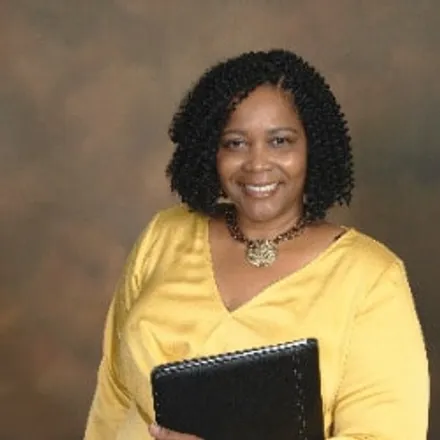
Nichole Walton
Licensed Clinical Social Worker
Florida
Online Therapy
About Nichole
My core values shape my approach to therapy by influencing how I live my life daily. I believe it’s important to live a life outwardly that is congruent with who you are when no one else is looking. My hope is that my clients feel a genuineness that creates a sense of safety and comfort in therapy sessions. Overall, I believe the core characteristics of the heart are what fuels lasting change. The attainment of knowledge, embodiment of faith, and willingness to engage in new experiences add to this foundation.
Approaches · Cognitive Behavioral (CBT)
What's your experience with cognitive behavioral therapy (CBT)?
Cognitive Behavioral Therapy is a core therapy. The premise is such that it identifies our thoughts and how they influence our behaviors. I have used this therapy model since the onset of my career and find that it is an approach that most can understand easily and articulate movement toward their desired change.
About Me
Why did you become a therapist, and what motivates you to continue?
My path to becoming a therapist was one that came natural from an early age. While I did not know that I would become a clinical social worker, I did know without a doubt that I was supposed to be a helping professional. Early experiences with grief and loss shaped my path such that I became even more determined to create meaning from these experiences. Time and education illuminated my trajectory more clearly and led to fulfilling my purpose as a therapist. My greatest takeaway from this beautiful work is the strength of the human spirit to survive. This motivates me and I find it a privilege to be a part of someone's story. As humans we are really more alike than we are different, and we all deserve someone with whom we can connect and develop a genuine and supportive relationship.
About Me
For people that are hesitant to try therapy, what do you wish you could tell them?
Therapy is a gift that looks like having someone show up just for you, having someone listen exclusively to you, knowing someone is there to be emotionally present for you and having someone to walk the journey with you. Therapy will help you rediscover your strength and the quiet yet strong power inside of you. I think it is important to first recognize those strengths so you can begin to visualize and get motivated about the change that you want to see in your life. Taking the important first steps to make the call for support, is the wonderful beginning of your healing journey.
Approaches · EMDR
What's your experience with eye movement desensitization and reprocessing (EMDR)?
I personally feel that EMDR has been a game-changer for those effected by various types of traumas. Whether a single incident or more complex situation EMDR has given individuals stabilization and hope by the limited amount of information that has to be recanted when revisiting a specific memory. EMDR is cutting edge and gives the client a better understanding of brain and body. Clients will gain an understanding of how the body stores information naturally. This understanding can help to destigmatize the notion that something is wrong with you vs. better understanding something has happened to you and your body remembers. EMDR is rooted also in the ability to gain skills for improved self-regulation to help manage the difficult emotions that can arise very unexpectedly. This is a dignified and respectable approach to trauma therapy that will help individuals regain their lives from the grips of some very difficult life experiences.
About Me
What should people thinking about working with you, know about you?
I have been in the field of clinical work for over 20 years. I do it because I enjoy the process of growth and change. I believe that progress will look different for everyone, so the value of you sharing your story with me is priceless therapeutically. I enjoy watching individuals grow and have a profound respect for the human will to survive and make room for change. I enjoy helping clients make shifts to their visual lens to support more adaptive living.
Approaches · Acceptance and Commitment (ACT)
What's your experience with acceptance and commitment (ACT)?
Acceptance and Commitment therapy is a natural and kind approach to help translate our experiences and the lens in which we see our experiences. ACT works with 6 core principles that are in alignment with who we all are as individuals. I have found that the skills provided in ACT provide an ease with understanding how we get hooked with certain thoughts and actions. ACT gives perspectives
About Me
What does a typical session with you tend to look like?
My clients can expect that I will seek to gain an understanding of who they are to better understand their needs in the first 2-3 sessions. This will help to establish a rapport and a good foundation to build upon. In therapy, my clients will work in the moment and receive resources for exploration and self-reflection between sessions.
About Me
How can you provide care remotely?
Communication and connection can be translated through many mediums. Remote (teletherapy) is just one venue for therapeutic connection. The use of a solid technological and privacy compliant systems can create a simplified and direct channel for support when needed. Remote therapy also allows for increased flexibility for clients to meet in a space that provides comfort and security within familiar surroundings. It truly has been a necessary resource for many that may have not been able to access these services in times past due to numerous types of life constraints.
Location
FloridaNorth CarolinaVirginia