Skip to Content
Therapists answer…

How does Cognitive Behavior Therapy (CBT) work?

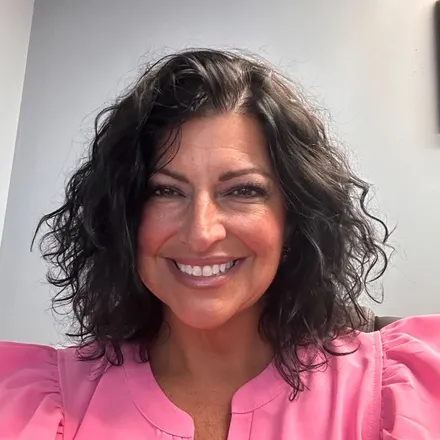
Heather SheetsH

Heather Sheets

Licensed Clinical Psychologist
Online & In-Person
How does cognitive behavioral therapy (CBT) work and how can it help?
The first session involves A LOT of questions! I want to learn all about you; why you are coming to therapy; what you enjoy about your life as well as what you want to change. By the end of the first session, together we develop goals you would like to accomplish in therapy. These goals will include thoughts, feelings, and maybe even physical experiences of anxiety and distress you want to change. CBT uses data from our thoughts and our behaviors to help identify what is working and what may not be working. Through identification of both positive and negative core beliefs, together we can begin to alter your experience of the world around you and change your response to increase healthy behaviors and decrease negative experiences (i.e. anxiety, depression, sleep disturbance, irritability, etc).
Dr. Heather Sheets has been a licensed clinical psychologist for 16 years with a doctorate degree in Clinical Psychology from an APA approved education and training program. She completed an APA approved doctoral internship at the University of Notre Dame where she received a specialty in alcohol and substance assessment and treatment. Following her internship, Dr. Sheets completed formal post-doctoral training at Northwestern University where she further developed expertise in short-term therapy, mindfullness, ACT/CBT, and narrative therapy.
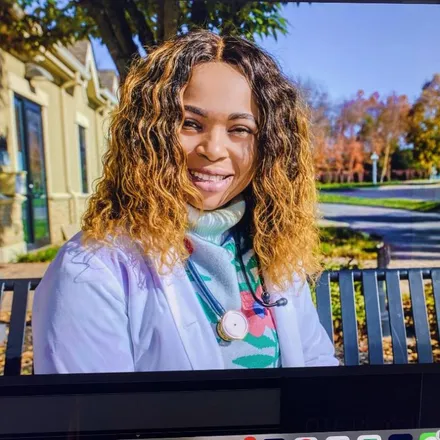
Destiny WintersD

Destiny Winters

Professional Counselor

What's your experience with cognitive behavioral therapy (CBT)?

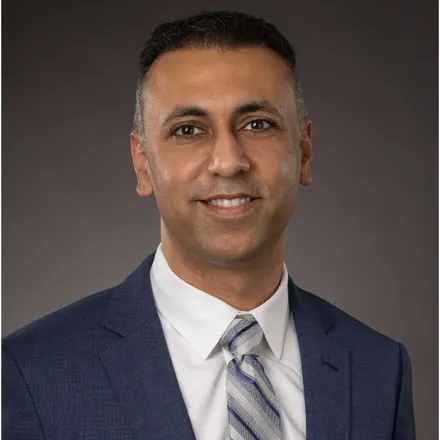
David GattaD

David Gatta

Clinical Psychologist
Online & In-Person
How does cognitive behavioral therapy (CBT) work and how can it help?
CBT is primarily a method of symptom reduction that helps in the shorter term but does very little to address the underlying causes. Integrating emotional works as well as insight building is necessary for more lasting relief. 
Welcome. I’m Dr. Gatta but if we work together please call me David. Good therapy is all about a trusting relationship. Over the course of my 13 year career I have had the privilege of working with a diverse group of people from college age students to senior citizens. My passion is helping people understand who they are, where they would like to go in life and what might be preventing those processes. From this standpoint my treatment philosophy is to address underlying causes rather than just symptoms. Doing so is the only way of achieving lasting substantive change. In order to do that I use a holistic approach, meaning I see each individual as a sum of their total life experiences together with their sociocultural contexts.  I have extensive experience working with family of origin issues, trauma, substance abuse, depression and life transitions (including grief and loss). My background is in clinical psychology where my doctoral dissertation explored dreaming as a theoretical form of thinking (cognition). I also have a background in neuroscience and the humanities . I have taught courses on trauma and recovery, addiction, grief and psychopathology. 
Melanie J JacksonM

Melanie J Jackson

Psychotherapist
Online Therapy
What's your experience with cognitive behavioral therapy (CBT)?
I am trained in CBT and have used this approach along with others for over 30 years especially with anxiety, depression, and insomnia.
Do you constantly worry? Do you overthink plans and solutions to worst-case outcomes so that you feel prepared? Does everything have to be done perfectly? Do you have difficulty handling uncertainty? Do you fear making the wrong decision? Do you feel restless? Difficulty with sleep? Do you move from relationship to relationship? Viktor Frankl said, “When we are no longer able to change a situation -we are challenged to change ourselves." He really knew what he was talking about. Each life transition inevitably forces us to navigate "stormy waters." If the challenge has become overwhelming, it's time to get some help. I specialize in helping those suffering from anxiety, including health care professionals and veterans. You don't have to continue suffering. You deserve to feel better. As a seasoned therapist, I can help you feel empowered to stop the cycle of worry and anxiety, find your sense of purpose, and reclaim your life. The good news is that we've all gone through seasons of our lives when we feel this way. The first step is to reach out to someone for help. My approach is straightforward: together we will identify your goals, establish a problem-solving treatment plan, and go from there. If something is telling you it's time to begin your journey; give me a call.