Skip to Content
Therapists answer…

How do you work with clients with trauma and PTSD?

E

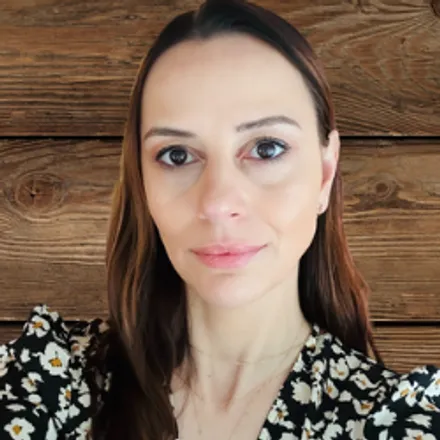
ElizaBeth Duran

Licensed Professional Counselor - Supervisor
Online & In-PersonAccepting New Clients
How do you work with clients with trauma and PTSD?
When working with trauma and PTSD, my first priority is creating a safe, supportive environment where you feel in control of your healing process. I use evidence-based approaches such as EMDR, Trauma-Focused CBT, and DBT to help you process painful memories, reduce triggers, and develop tools for managing overwhelming emotions. Together, we move at your pace — focusing on safety, building resilience, and helping you reclaim a sense of peace, strength, and hope for the future.
With over a decade of experience, I offer individual and group therapy tailored to your unique needs. I’m trained in powerful, evidence-based approaches like EMDR, Trauma-Focused CBT, DBT, and CBT — which means we’ll work together to find strategies that truly support your growth and healing. In addition to clinical work, I’ve had the honor of presenting at national conferences, including the National Organization for Victims Advocacy and the Texas Council for Family Violence. Locally, I collaborate with schools and organizations to promote mental wellness in our community. My specialties include working with trauma, depression, anxiety, anger, grief, relationship issues, neurodivergence (including ADHD and autism support), LGBTQIA+ identity, spirituality, self-harm, and more. I also offer virtual therapy through telehealth, making it easy to connect no matter where you are.
Gladys NdegeG

Gladys Ndege

Psychiatric Mental Health Nurse Practitioner
Online Therapy
Why is trauma processing important?
Trauma processing is important because it helps individuals confront and understand their traumatic experiences, which can alleviate the emotional and psychological distress associated with them. By addressing trauma, individuals can reduce symptoms of PTSD, anxiety, and depression, gain a sense of control over their memories, and work towards healing. Effective trauma processing can also improve overall mental health, enhance coping skills, and restore a sense of safety and well-being.
I am a Board Certified Psychiatric Mental Health Nurse Practitioner. My passion is to help clients struggling with mental health. I obtained my master's degree from the University of North Dakota. I have worked in numerous mental health settings including child and adolescent psychiatry. Currently, I am working with the adult patients. I specialize in treating clients with anxiety, depression, bipolar disorder, and schizophrenia. My approach is to provide Client-Centered Care. I view each individual as a whole person. I am interested in discussing with you, alternative modalities that may be helpful in supporting you. I work with you to individualize your plan of care based on your needs. I will meet you where you are. We will work together to find a plan that works with you. I am looking forward to working with you soon. *Specialties •Mental Health •Child Psychiatry •Sleep Medicine *Conditions treated •Anxiety •Depression •Bipolar disorders •Schizophrenia •PTSD •Trauma •Mood disorders •Relationship issues •Insomnia •Behavioral issues •Sleep problems •Night terrors •Restless leg syndrome •Panic attacks •Anxiety disorders •Coping Skills •Obsessive-Compulsive (OCD) •Personality Disorders •Self Esteem •Self-Harming •Serious Mental Illness •Sleep or Insomnia •Suicidal Ideation *Treatment philosophy At Hopegrows we view each individual as a whole person. We are interested in discussing alternative modalities that may be helpful in supporting you. We will work with you to individualize your plan of care based on your needs. We will meet you where you are. We will work together to find a plan that works best for you. We are looking forward to working with you soon. *Treatment approach •Cognitive Behavioral Therapy(CBT) •Culturally Sensitive •Trauma-Focused •Person-Focused •Humanistic •Emotionally Focused