Skip to Content

Trauma Focused Therapists in California

Find the right therapist in California for you. Each profile lists the insurances the provider takes, typical costs per session, and how to get in contact.
R

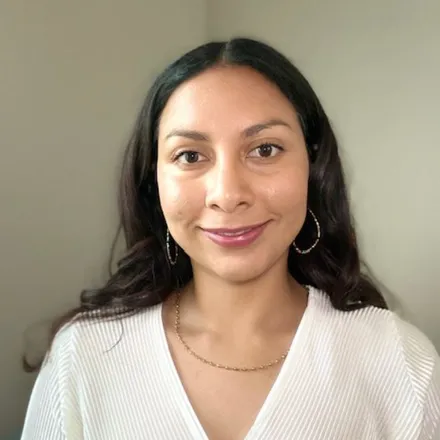
Reyna Diaz

psychotherapist
Online TherapyAccepting New Clients
Are you finding it difficult to form or maintain meaningful relationships? Struggling with self-esteem, anxiety, or feeling like you're not “enough” no matter how much you achieve? Perhaps you appear successful on the outside, but inside, you're overwhelmed, emotionally drained, or simply not feeling like yourself. You’re not alone and you don’t have to navigate this alone either. You may have tried to manage things on your own, ignoring the signs, pushing through, hoping things will get better. But if you're reading this, something inside you knows it's time for a different approach. Therapy can be that turning point. Together, we’ll work to understand what's beneath the surface and begin to build a more empowered, fulfilling life. As an immigrant from Central America, I deeply understand the cultural pressures, generational expectations, and identity struggles that can weigh heavily on us. I also know the courage it takes, especially in communities where therapy is often stigmatized to ask for help. There is nothing weak about seeking support. In fact, it’s one of the bravest things you can do for yourself. I provide a warm, non-judgmental space where your lived experiences are acknowledged and honored. My trauma-informed, culturally responsive approach ensures that therapy isn’t one-size-fits-all. Your story is unique, and the healing process should reflect that. I work with adults navigating: Anxiety, depression, and emotional overwhelm Relationship and attachment challenges Grief, loss, and life transitions First-generation identity struggles and intergenerational trauma Immigration-related stress and cultural adjustment Burnout, perfectionism, and low self-worth, even in high-achieving individuals The emotional impact of racism and systemic oppression on BIPOC communities Whether you're seeking clarity, connection, or peace of mind, we’ll co-create a path that aligns with your values and goals.
C

Courtney Carmona

Psychiatric Mental Health Nurse Practitioner
Online Therapy
How does trauma focused therapy work and how can it help?
Trauma-focused therapy aims to help individuals process and heal from past trauma in a safe and structured environment. Techniques like Eye Movement Desensitization and Reprocessing (EMDR) or Trauma-Focused CBT (TF-CBT) are commonly used. The therapy helps reduce the emotional hold the trauma has on the person, enabling them to live more freely.
Hello, I'm Courtney Carmona, a dedicated Psychiatric-Mental Health Nurse Practitioner with over 12 years of experience in healthcare. My nursing journey has taken me through urgent care, pediatric care, and nursing education. I am passionate about providing quality care and pride myself on strong assessment and patient care skills. I aim to make patients feel heard and involved in their treatment. I believe in clear, effective communication to ensure that patients and their families fully understand their care plans. Currently, I work at Kaiser Permanente in Los Angeles, where I assess patient conditions, manage treatments, and provide thorough after-care instructions. My background includes advanced degrees in Nursing and a strong foundation in psychology, which helps me connect with patients on a deeper level. With certification as a Board-Certified Psychiatric-Mental Health Nurse Practitioner, you can trust that you are in safe, knowledgeable hands. My goal is to work collaboratively with you to achieve the best possible health outcomes. Let's work together on your journey to better health.
K

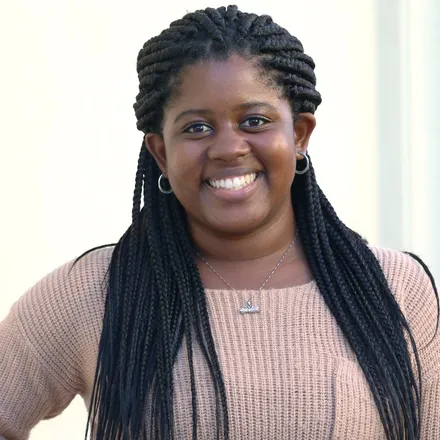
Keri Enriquez

Holistic Alternative Psychology Practitioner
Online Therapy
How does trauma focused therapy work and how can it help?
Trauma-focused therapy is a specialized approach designed to help individuals who have experienced trauma process and heal from their painful experiences. Trauma can be deeply disrupting, not just emotionally but also physically and mentally, leaving long-lasting effects on how we view ourselves, others, and the world around us. Trauma-focused therapy provides a structured, safe space to work through these impacts, regain a sense of control, and ultimately heal. Here’s how trauma-focused therapy works and how it can help: 1. Creating a Safe, Supportive Environment The first step in trauma-focused therapy is establishing a safe, non-judgmental, and trusting therapeutic relationship. For many people, trauma erodes their sense of safety, so it’s crucial to create a space where you can feel comfortable, heard, and supported. This safe environment allows you to begin the process of addressing painful memories without the fear of being judged or retraumatized. 2. Educating and Understanding Trauma In trauma-focused therapy, part of the work involves learning about the impact of trauma. Understanding how trauma affects the mind, body, and emotions can be empowering. We’ll explore how your past experiences may still be influencing your current thoughts, behaviors, and relationships. This awareness helps you make sense of your reactions and helps us identify how to move toward healing. 3. Gradual Exposure to Trauma Memories One of the core aspects of trauma-focused therapy is gently and safely re-experiencing the trauma memories. This doesn’t mean overwhelming yourself, but gradually exploring the emotions and thoughts associated with the traumatic event(s) in a controlled way. This helps to reduce the emotional charge of the memories over time, allowing you to regain control of the trauma instead of feeling overwhelmed or trapped by it. 4. Reprocessing and Reframing Trauma-Related Thoughts Trauma often leads to negative and distorted thoughts, such as feelings of shame, guilt, or believing that you are somehow responsible for what happened. In trauma-focused therapy, we work on identifying these negative thought patterns and replacing them with more balanced, healthy beliefs. Through techniques such as Cognitive Behavioral Therapy (CBT) or Eye Movement Desensitization and Reprocessing (EMDR), we can help you process and reframe these thoughts, promoting a healthier sense of self and understanding of the event. 5. Building Coping Strategies and Emotional Regulation Trauma can make it difficult to regulate emotions, leading to overwhelming feelings of anxiety, anger, or sadness. In trauma-focused therapy, we develop practical coping strategies that help you manage distressing emotions. Mindfulness, grounding techniques, and relaxation exercises are often used to help you stay present and reduce anxiety when memories or triggers arise. 6. Strengthening Resilience and Empowerment While trauma may feel like it takes away your power, trauma-focused therapy aims to help you reclaim your sense of control and agency. We focus on building resilience—your inner strength to cope with challenges—and empower you to move forward with confidence. This can involve rediscovering your values, passions, and strengths that were overshadowed by trauma. 7. Addressing the Impact on Relationships Trauma can affect how we relate to others, often leading to difficulties in trusting, communicating, or feeling safe in relationships. Trauma-focused therapy can help you rebuild these connections. We explore how trauma has shaped your relationships, work through relational challenges, and help you set healthy boundaries, leading to healthier and more fulfilling connections with others. 8. Finding Healing and Meaning One of the most profound benefits of trauma-focused therapy is helping you find meaning in your experiences, so they no longer define you in a negative way. This might involve grieving, acceptance, or even discovering ways to use your experiences to grow and empower others. Healing from trauma doesn’t mean forgetting it, but learning how to integrate it in a way that allows you to live a more whole and fulfilled life. How Trauma-Focused Therapy Can Help: Emotional Relief: It helps you process overwhelming emotions and reduce the impact of emotional triggers. Reduced Symptoms: It can reduce symptoms of PTSD, anxiety, and depression, leading to an improved sense of well-being. Restoring Control: It helps you regain a sense of control and safety in your life, which is often disrupted after trauma. Improved Relationships: It supports the healing of relational wounds and helps you build healthier, more trusting relationships. Increased Resilience: It empowers you with coping tools and emotional skills, so you feel stronger and more capable in handling future challenges. Trauma-focused therapy can help you move from a place of feeling stuck and overwhelmed by your trauma to one of healing, empowerment, and growth. You don’t have to carry the weight of trauma alone, and with the right support, it’s possible to reclaim your life and your sense of peace.
I’m Keri, a holistic practitioner dedicated to supporting your journey toward balance, wellness, and a deeper connection with yourself. Whether you're navigating stress, chronic discomfort, emotional blocks, or simply seeking a more grounded and aligned life, I’m here to help you heal from the inside out. My approach combines mind, body, and spirit—offering personalized care that honors your unique story. Through [modalities you offer—e.g., Reiki, herbal medicine, intuitive guidance, bodywork], I hold a space where transformation can gently unfold. If you're ready to feel more empowered, centered, and vibrant, I invite you to explore how we can work together. Your healing begins here.