Skip to Content
Therapists answer…

How do you work with clients with trauma and PTSD?

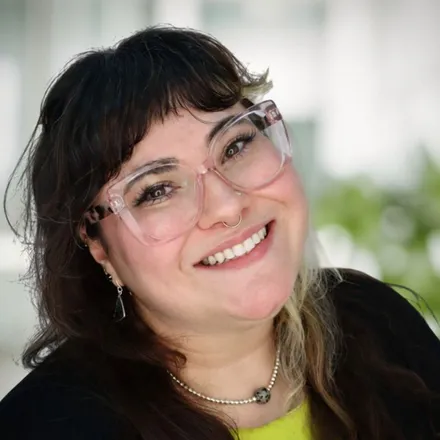
Malka ShawM

Malka Shaw

LCSW
Online & In-PersonAccepting New Clients
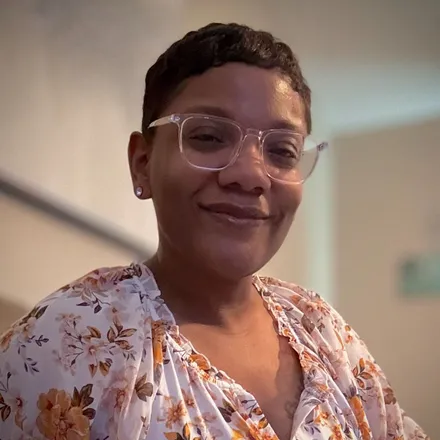
I've been a licensed clinical social worker for over twenty five years, and in that time I've learned that most people don't come to therapy because they want to talk about their problems. They come because they're ready for something to actually change. My training is in trauma, and EMDR has been a core part of how I work for a long time now, but the bulk of my practice is with women navigating a major shift, dating again after years out of the field, going through a divorce or a breakup, becoming a mother, working through midlife issues, or dealing with work related stress and burnout. I also work with couples who are trying to figure out whether they can rebuild something or whether they're ready to move on, and either way, want to do it with more clarity than they came in with. What tends to set my work apart is that I never treat a person's background, whatever it is, as separate from what's actually going on with them clinically. That comes out of years spent developing a real depth in Jewish cultural competency the psychological impact of antisemitism , work I also train other clinicians and organizations in, but the underlying skill is the same no matter who is sitting across from me, understanding the full context someone is carrying and working with it, not around it. I've been in private practice since 2008. If you're looking for someone who takes what's going on seriously and has the years behind her to know what actually helps, I'd be glad to talk.
Lem ScottL

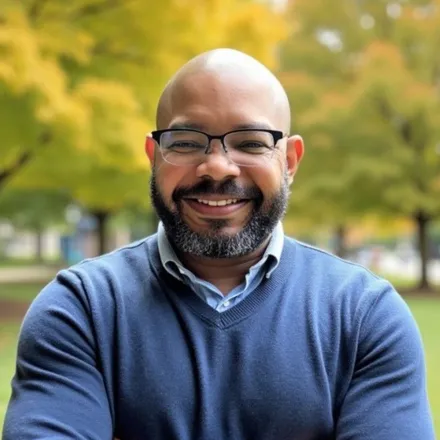
Lem Scott

PMHNP-BC
Online & In-PersonAccepting New Clients
I am a board-certified psychiatric mental health nurse practitioner and the founder of Ash & Bloom Wellness, an integrative psychiatry practice serving adults across North Carolina by telehealth and in person in Raleigh. My work blends careful diagnostic assessment, evidence-based medication management, and practical lifestyle, sleep, and stress interventions so treatment fits the whole person rather than a single symptom list. Clinically, I focus on depression, anxiety, bipolar spectrum disorders, ADHD, trauma-related conditions, and co-occurring mental health and substance use concerns. I provide buprenorphine (Suboxone) treatment for opioid use disorder and harm-reduction informed care for alcohol and other substance use, and I work comfortably alongside therapists and primary care clinicians as the medication management partner in a client's care team. I am doctorally prepared, hold national certification in psychiatric mental health care, and teach in graduate psychiatric nursing education, which keeps my practice current and grounded in the evidence. Visits are unhurried, collaborative, and free of judgment. You can expect clear explanations of your options, honest discussion of risks and benefits, and a plan you help build. New clients can start with a brief consultation to see whether we are a good fit. Private pay and insurance options are both available, and prescriptions are managed responsibly with attention to long-term function, not just short-term relief.