Skip to Content
Therapists answer…

What is therapy like? What does a typical session with you look like?

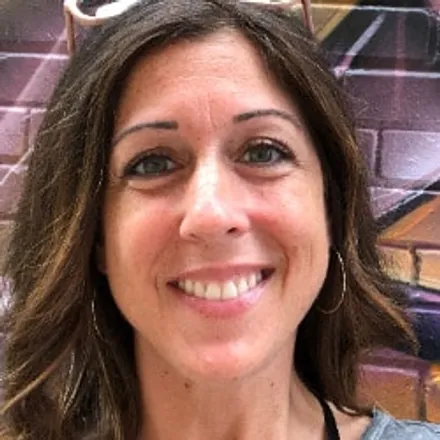
Tiffany PhillipsT

Tiffany Phillips

LMFT
Online & In-Person
What does a typical session with you tend to look like?
I request that clients complete a session preparation form prior to the beginning of each session. There they can note their mood, struggles, successes, and set an agenda for what they would like to address in session. This way clients are actively involved in their treatment and the content of their sessions. Standard individual sessions are 50 minutes in length, couples and family sessions are between 50-60 minutes in length.
"Anything that's human is mentionable, and anything that is mentionable can be more manageable. When we can talk about our feelings they become less overwhelming, less upsetting, and less scary. The people we trust with that important talk can help us know that we are not alone" -- Fred Rogers. This is exactly what the therapeutic relationship provides.   I have over 23 years of clinical experience working with people who have felt like you may be feeling today. Whether you struggle with an eating disorder to manage your emotions, feel unable to communicate with your loved-ones, or are haunted by past hurts, I want to help you along your path to healing. Taking the next step is brave and it does not have to be difficult. I offer a variety of in-person and telehealth appointment options throughout the week including evenings and Saturdays. Please visit my website or reach out by email to schedule a complimentary 15 minute phone consultation.

What does a typical session with you tend to look like?

Brittney MaguireB

Brittney Maguire

Owner/LMFT
Online Therapy
What does a typical session with you tend to look like?
Building rapport and establishing a safe and therapeutic environment is most important. My approach to therapy is collaborative. A typical session with me begins with getting to know the needs and goals of the client. When coming to therapy, many are struggling and want to find some relief. I believe that allowing clients to share their experience, allows the therapist to gather data/information that can be used during treatment planning. 
I have extensive training cognitive behavioral therapy (CBT), exposure and response prevention (ERP), acceptance and commitment therapy (ACT), family systems therapy and mindfulness. I am specialized in the treatment of a variety of anxiety disorders including body focused repetitive behaviors (BFRB), social anxiety, panic disorder, generalized anxiety disorder (GAD), and obsessive-compulsive and other related disorders (OCD). I am also trained in Habit Reversal Therapy (HRT) to treat Trichotillomania and Comprehensive Behavioral Intervention for Tourette syndrome (CBIT).  I pride myself on developing a deep connection to my clients and create a warm therapeutic relationship needed to achieve results and action while in treatment. I pull from a range of evidence-based therapies to create an approach that works for the individual client. I highly value collaboration with other treatment providers, including with psychiatrists, physicians, and treatment team members.
Katie MullaneyK

Katie Mullaney

Art Therapist
Online & In-Person
What does a typical session with you tend to look like?
I incorporate mindful meditation, somatic awareness and making expressive/reflective art in almost all of my sessions. I find it to be a powerful practice to take a mindful pause to "check-in" with yourself just by observing what is present in your body and allowing your body to inform you of your current state of being. Notice how you are impacted by what is going on in your current world, and/or what energy you have been carrying around with(in) you (sometimes for months or even years). My clients explore this by creating visual reflections of what they observe, of their thoughts, behaviors, habits, and how they are experiencing emotions physically in their body.
I believe that everyone has the power within them to create positive shifts in the way one experiences and expresses their emotions, in turn creating positive shifts and experiencing their world around them. My intention is to help you uncover your power. I have worked as an Art Therapist since 2009 in the mental health and substance abuse fields. Most recently, I have worked in an acute psychiatric hospital setting for the past 9yrs and have been in private practice for 5yrs. I am proud to have assisted 2 organizations in developing their first Art Therapy programs. In private practice I work mainly with adults who struggle with anxiety and/or depression. We practice mindfulness and somatic awareness skills together with art therapy to minimize the barriers that anxiety and depression create in my client's lives.