What does a typical session with you tend to look like?
When someone reaches out to start new services, we do a (no cost) virtual consultation. Depending on the service you are looking for this consultation will either be 15-minutes or about an hour.
We use this consultation time to get some basic information about what has prompted you to look for help and to do our best to make sure that the level and types of services that we offer are the most appropriate for your needs. This consultation time also allows you to ask us questions and to decide if you feel like we will be a good fit for you.
If we both agree to move forward, we'll send you all of the intake paperwork and you'll have 7-days to complete your paperwork and return it to us. Once we have all of this squared away, we'll reach out to set up your first appointment/Intake.
An Intake lasts about 90-minutes and the primary purpose of this appointment is to gather even more information about what you are experiencing now that you are seeking help for, the history of these issues, your personal history, family and social history. We'll also do some additional symptom assessments that help us with treatment planning.
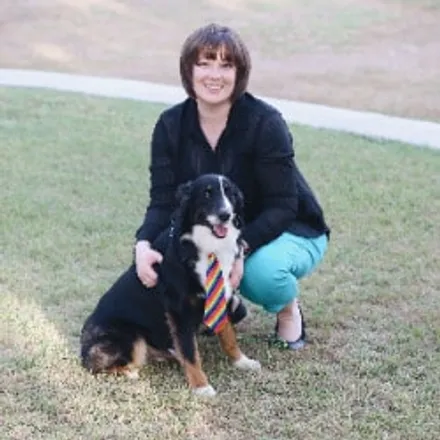
If you are doing in person services, when you come in, you'll likely see Andrea, our awesome Admin first who will get you checked in and collect any fees for the service that day. You'll also meet (or hear) Jack, my Australian Shepherd who sometimes likes to alert me that someone has come in. He likes to go out to the lobby to meet people and then will lead you to my office. He'll hang out during your session either sitting on/near your feet or taking a nap on the floor. Every now and again he'll get up on the couch with you and cuddle.
Because I no longer offer ongoing therapy, only Extended EMDR sessions (90-minutes to 2-hours) or EMDR Intensives (half-day, full-day, 3-days) our sessions will be focused on moving through the 8 Phases of EMDR or using another applicable EMDR Protocol. The first session (after Intake) will be focused on showing you the options for Bilateral Stimulation (light bar, "buzzies", or sounds), and talk about the coping skills that you currently have in your toolbox and how you can use those to help you through the process of EMDR.
In the next sessions we'll work on Resourcing - meaning that we'll work more on emotional containment and soothing and if necessary, install these resources using low intensity, low speed Bilateral Stimulation. We'll stay in the Resourcing Phase until it seems appropriate to move on.
Next we'll talk through and identify the "targets" or experiences that you are wanting to work on before moving on to Reprocessing/Desensitization (EMDR Phase 4). When we are in Resourcing and Desensitization we won't be doing much talking because I want you to get in as much Bilateral Stimulation as possible to help you work through your targets as quickly and seamlessly as possible.
EMDR does of course have other stages and we'll do those too as we get to them. Before you leave the office, we'll schedule your next appointment and talk briefly about self-care between sessions.
I am an EMDRIA Approved Consultant. I am an Army veteran and am passionate about providing trauma therapy for military, veterans, law enforcement officers and first responders. I offer Extended EMDR sessions (not covered by insurance), EMDR Intensives (not covered by insurance) and EMDRIA Consultation for clinicians seeking Certification.
I graduated from Grand Canyon University in 2016, earning a Master of Science in Professional Counseling. I have worked in a variety of settings from community mental health, crisis response, to group practices.