Therapists answer…
What is therapy like? What does a typical session with you look like?
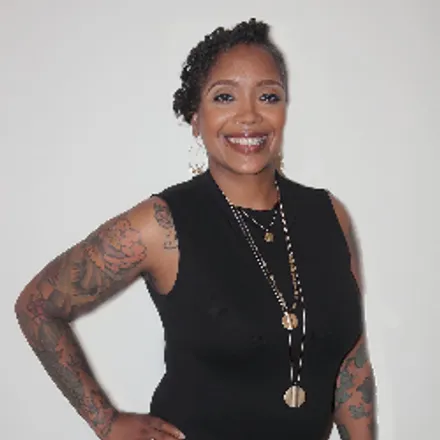
 M
MMarissa Skipper
MSW, Licensed Clinical Social Worker Intern
What does a typical session with you tend to look like?
Our first session together would be an exploratory session so this is where you get to know me and I get to know you and I come to understand your reason for seeking therapy.
And that could be a variety of reasons. It could be anger issues, depression, anxiety, parenting, marital conflict, areas of past abuse, neglect, trauma, just whatever the case is. And once I have a good understanding of what you're seeking treatment for, we would together come up with two or three goals for treatment and these would be what things do you want to see changed by the time our relationship is over, we would discuss how frequently you want to meet, and we would discuss about how long you know, do we think that this change is possible and do you want to see this change in two months, three months 90 days what, you know what your parameters are.
And then I would just get some background information from you just on just who you are as a person. Do you have any medical problems are you on medication. Do you have a family history of mental illness. What are your spiritual and religious beliefs, what's your culture like, how do you, how have you handled problems in the past so just that kind of things I can get an idea of who you are as a person.
And then the subsequent sessions that we have would generally be from 15 minutes to an hour, and we would just be working through to meet the goals that you have and that could look a variety of ways, depending on what your problem is, so we might do some mindfulness exercises and I can teach you coping skills and relaxation techniques, or we could process, verbally through trauma or we could do some yoga. I mean, it just can look a million different ways and so every session is really tailored to you and to what your needs are. And if at any point in the process, you felt that it was headed in the wrong direction. You know, you would have full freedom to speak up. And I could also make referrals to other professionals for you if that was something that you felt like you needed.