Skip to Content
Therapists answer…

How do you work with clients with trauma and PTSD?

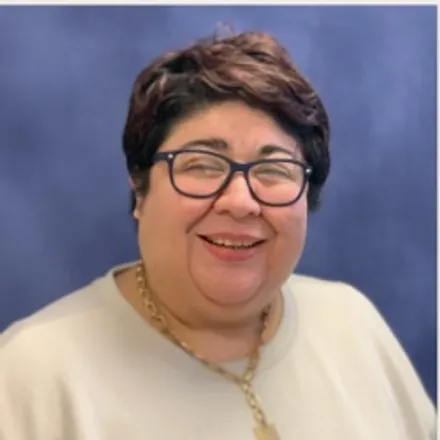
Lizette VelazquezL

Lizette Velazquez

LPC
Online Therapy
How do you work with clients with trauma and PTSD?
Typically I start off with focusing on the coping skills from breath work, TF-CPT to grounding techniques to CBT skills in order to decrease the symptoms reported. In addition I provide validation, understanding and normalizing their reactions to the event experienced. I allow for the client to discuss the incident on their time and terms and utilize a trauma narrative when the client is ready to process. 
Lizette is a Licensed Professional Counselor and has been helping individuals, children and families for 19 years. She earned a Bachelors degree in Psychology and a Masters degree of Science in Counseling. She has clinical experience with individual and family sessions, conducting groups, and working as a Clinical Director. Her philosophy is helping teach families and children ways to enrich their abilities and help them thrive. Lizette’s first step is to help de-mystify psychological terms in order for everyone to gain a better understanding of what is going on. The work begins when skills are introduced in order to increase the use of positive emotional management. Let’s face it – change is hard, when trying to stop or start something new everything takes time, but it can be done with clinical help and support. She utilizes a variety of tools that can help in decreasing problematic symptoms to include Solution Focused Therapy, Cognitive Behavioral Therapy, Psychoeducation, Grounding Techniques and the list goes on. Everything will be openly communicated and tailored to your individual needs in order to make sure the treatment plan is a good fit.
Amanda TrostA

Amanda Trost

Licensed Professional Counselor
Online & In-Person
Why is trauma processing important?
Childhood trauma occurs when we experience or witness negative events we aren’t prepared for or don’t have support in recovering from. This might look like physical, sexual, or emotional abuse, neglect, substance abuse by a parent or other adult, witnessing violence or abuse toward someone else in the home, or not having our basic physical and emotional needs met. Growing up with trauma or toxic family dynamics makes us more likely to experience stress and anxiety later in our lives. Survivors of such situations are more likely to suffer from chronic illnesses, have difficulty with attention spans, struggle with academic or professional performance, and have difficulty coping with stress. There is a ton of healing that is done just by telling our story. Often we see symptoms reduce significantly after getting it off our chests. Realizing you’re not alone also helps, and knowing that others who have experienced what you have experienced have healed lets us know it can be done. Working to process trauma includes looking at the common effects, relationship dynamics, and behavioral patterns we often see in those that have undergone trauma. We work to realize it's not what's wrong with you, but what happened to you. In addition, processing trauma includes identifying and interrupting triggers and planning a course of action to set new patterns and behaviors in place.
Now scheduling in person and telehealth sessions. Help is available for symptoms of anxiety and depression, working through past trauma, managing perfectionism, improving communication with others, relationship concerns, navigating workplace dynamics and more. We specialize in complex trauma/CPTSD.
Mckenna PaddockM

Mckenna Paddock

Licensed Clinical Mental Health Associate
Online Therapy
How do you work with clients with trauma and PTSD?
Trauma can show up in countless ways, impacting our minds, bodies, and overall lives. With ten years of experience working with individuals affected by various forms of trauma, including PTSD and Complex-PTSD, I take a trauma-informed approach that prioritizes harm reduction. I personalize my approach for each person, but I’ve found that combining trauma-informed somatic experiencing, Internal Family Systems interventions, and creative arts can be particularly effective in supporting healing.
I’m so glad you’ve found your way here! You can call me Mckenna or Kenna (they/them). I identify as Queer, neurodivergent, a “spoonie”, and was raised on the unceded land of the Duwamish people, now known as Seattle. As an ally to those with marginalized identities, I’m grounded in the belief that our collective liberation is interconnected. I recognize how structural harms shape our experiences and healing journeys, and I’m committed to creating an inclusive, gender-affirming, sex-positive space rooted in Health at Every Size, and beyond. My work blends Liberation Psychology and Feminist Theory, striving to be authentic, anti-racist, and anti-oppressive. I hold a MA from Antioch University Seattle, trained in Clinical Mental Health Counseling and Art Therapy and am currently accepting new clients at Playful Minds Counseling. I have experience providing LGBTQIA2S+ and neurodivergent-affirming care to teens and young adults navigating their sexual orientation and gender exploration, life transitions, family dynamics (particularly for children of immigrants and third culture individuals), disability & chronic illness, trauma/PTSD/C-PTSD, and suicidal ideation. I believe in the healing power of the creative arts and will introduce you to art therapy. Whether or not we incorporate art in our work together, creativity can show up in many ways, and I look forward to exploring that with you.
View Profile