Skip to Content
Therapists answer…

How do you work with clients with trauma and PTSD?

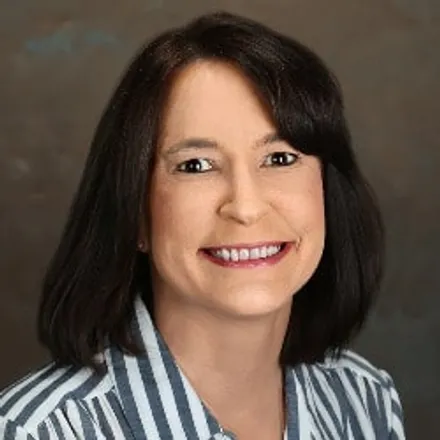
Jennifer GarciaJ

Jennifer Garcia

Licensed Mental Health Therapist
Online Therapy
How do you work with clients with trauma and PTSD?
How I Work with Clients with Trauma and PTSD When working with trauma and PTSD, my primary focus is creating a safe, supportive environment where you feel in control of your healing process. Trauma impacts the brain and body in ways that can make daily life feel overwhelming, but therapy can help you regain a sense of stability, process painful memories, and build resilience.  What Help Looks Like I use evidence-based approaches tailored to your needs, including: • Trauma-Informed Therapy: Ensuring that sessions feel safe and empowering rather than re-traumatizing. • Somatic Awareness & Regulation: Helping you recognize and manage the ways trauma affects your body (e.g., anxiety, hypervigilance, dissociation). • Cognitive Processing & Reframing: Identifying unhelpful thoughts and beliefs shaped by trauma and replacing them with healthier perspectives. •  EMDR (if applicable) or Exposure Therapy: Gradual, guided processing of traumatic memories in a way that reduces their emotional intensity. • Building Coping Strategies: Developing tools to manage triggers, flashbacks, and emotional distress in a way that allows you to function more freely in daily life. What Clients Should Know • You Are in Control: We move at your pace—there’s no pressure to share more than you’re ready for. •  Healing Takes Time: Trauma work can be difficult, but it leads to real, lasting change. Small steps matter. • You Are Not Alone: PTSD and trauma responses are normal reactions to overwhelming experiences. Therapy helps you understand and reshape these responses so they no longer control you. The goal of trauma therapy isn’t just to “talk about” the past—it’s to help you feel safer in your own mind and body so you can move forward with strength and confidence.
As a licensed trauma therapist, I am dedicated to helping you navigate the challenges of trauma, anxiety, and emotional distress. My goal is to create a safe and supportive space where we can work together to understand and rewire trauma responses that may be holding you back. By integrating evidence-based techniques, I help clients build resilience, improve emotional regulation, and develop healthier coping mechanisms. Through our work, you can expect to gain deeper self-awareness, enhance your ability to manage stress, and improve your relationships and overall well-being. I am committed to supporting your journey toward healing, empowering you to shift unhelpful thought patterns, and maximizing your personal and professional growth. You don’t have to navigate this alone—together, we can create meaningful and lasting change in your life.
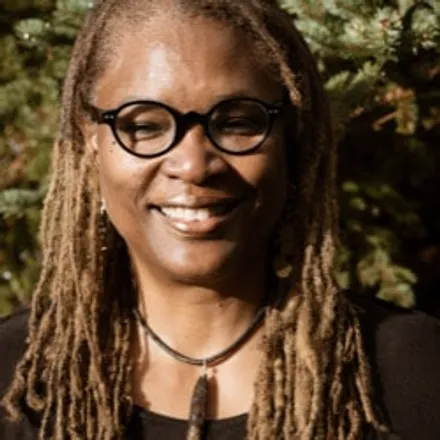
Keri EnriquezK

Keri Enriquez

Holistic Alternative Psychology Practitioner
Online Therapy
How do you work with clients with trauma and PTSD?
Trauma and PTSD can be deeply affecting, impacting not just your mental health, but also your body, relationships, and overall sense of safety in the world. If you're living with the effects of trauma, it can feel isolating and overwhelming, but please know that healing is possible. You are not alone, and together we can work toward reclaiming your sense of peace, safety, and empowerment. My approach to trauma healing is holistic, gentle, and client-centered. We’ll work at your pace to ensure that you feel safe and supported as we explore the impact of trauma in your life. The process may take time, but each step is a step toward healing and reclaiming your life. Here’s how we can work together on your healing journey: Creating Safety and Trust: One of the first priorities is creating a safe, supportive, and non-judgmental space for you. Trauma often disrupts our sense of safety, so I make sure that every session is built on trust and respect for your experience, ensuring you feel in control of your healing process. Somatic and Body-Based Approaches: Trauma lives in the body, and its effects are often felt physically—tension, numbness, hypervigilance, or exhaustion. I use somatic therapy techniques, breathwork, and body-awareness practices to help you reconnect with your body in a gentle and healing way, releasing the stored tension and emotional energy that trauma leaves behind. Processing and Integrating the Trauma: We’ll explore the trauma at a pace that feels right for you, helping you to process and make sense of your experiences in a safe environment. I use trauma-informed methods that honor your experience and avoid re-traumatization. Mindfulness and Grounding Techniques: Trauma can cause a sense of being disconnected from the present moment. I’ll teach you grounding exercises, mindfulness, and relaxation techniques to help you stay centered and calm, especially when flashbacks or anxiety arise. These tools can help you feel more grounded in your body and in the present. Cognitive and Emotional Processing: We’ll work to identify and gently challenge any negative thought patterns or limiting beliefs that arose from your trauma. Together, we’ll develop healthier ways of thinking and coping, helping you to shift the impact of trauma on your mental and emotional well-being. Safety in Relationships: Trauma can affect how we relate to others, creating feelings of distrust, isolation, or fear. In our work, we’ll explore how your relationships may have been impacted and how to rebuild healthier, more supportive connections with others. Building Resilience: Healing from trauma is not about “forgetting” but about building resilience, reclaiming your sense of agency, and integrating your experiences into your story in a way that empowers you. We’ll work on strengthening your inner resources, self-compassion, and coping skills so you can move forward with confidence. Healing from trauma is a journey, and you don’t have to walk it alone. I’m here to guide and support you with patience, understanding, and care as you move toward a life that feels more whole, safe, and grounded.
I’m Keri, a holistic practitioner dedicated to supporting your journey toward balance, wellness, and a deeper connection with yourself. Whether you're navigating stress, chronic discomfort, emotional blocks, or simply seeking a more grounded and aligned life, I’m here to help you heal from the inside out. My approach combines mind, body, and spirit—offering personalized care that honors your unique story. Through [modalities you offer—e.g., Reiki, herbal medicine, intuitive guidance, bodywork], I hold a space where transformation can gently unfold. If you're ready to feel more empowered, centered, and vibrant, I invite you to explore how we can work together. Your healing begins here.
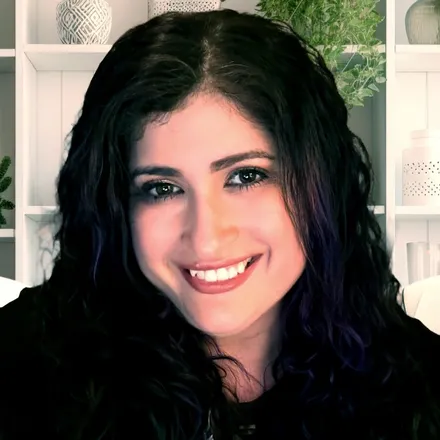
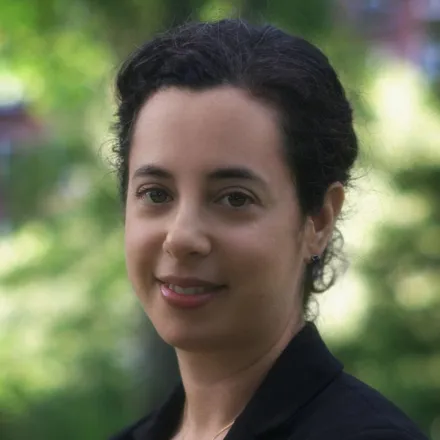
Irina MindlisI

Irina Mindlis

Clinical Psychologist
Online Therapy
I am a licensed clinical psychologist in New York and New Jersey with a special interest in adjusting to medical illness and aging. A clinical health psychologist by training, I received my Ph.D. from the Graduate Center of the City University of New York after completing a pre-doctoral Clinical Psychology Internship at Mount Sinai Services/Elmhurst (2023). I also hold a Licentiate in Psychology from the Universidad de Palermo in Buenos Aires, Argentina (2013). I have specific expertise in helping adults adjust to chronic illness, including heart failure and other cardiovascular conditions, cancer and cancer survivorship, palliative and end-of-life care, diabetes, asthma, and GI/gastrointestinal disease, through my pre-doctoral externships and internship at Northwell Health/Long Island Jewish in Manhasset, Queens Hospital, and Elmhurst Hospital. My research has focused on aging adults’ adjustment to life with multiple chronic illnesses, including improving quality of life, reducing depressive symptoms, illness self-management, and patient-provider communication. In addition to my role as a therapist, I am also a Postdoctoral Associate in Behavioral Geriatrics in the Division of Geriatrics and Palliative Medicine at Weill Cornell Medicine, where I focus on understanding the relationship between living with multiple chronic conditions and depression, as well as improving care for this population. I am a member of the Gerontological Society of America and the Society for Behavioral Medicine, and an editorial board member for the Annals of Behavioral Medicine.