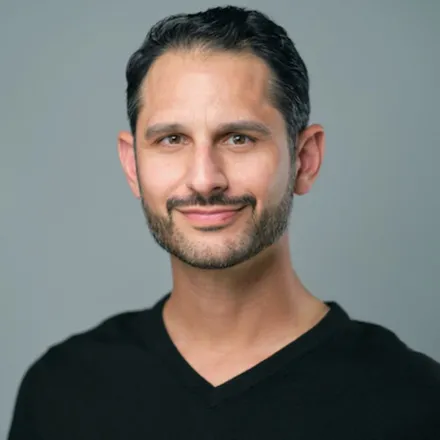
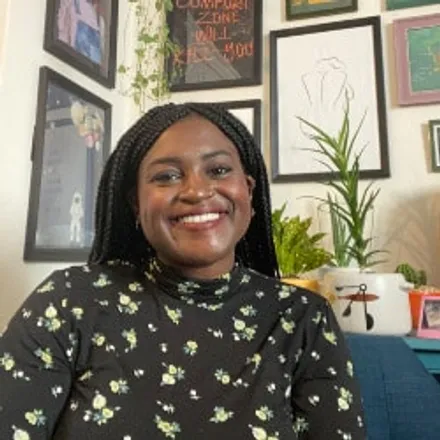
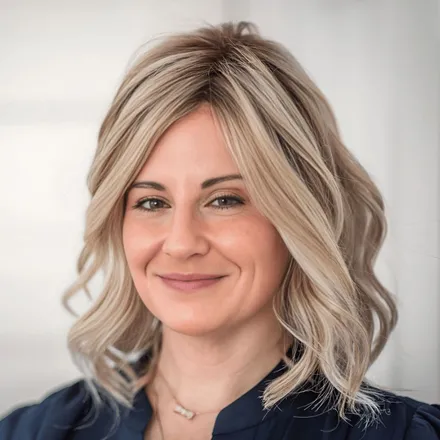
Uju Osagie is a distinguished healthcare professional with over 25 years of extensive experience in critical care, particularly in thoracic surgery, transplant, coronary care and behavioral health units. Her dedication to providing exceptional patient care is matched by her impressive educational background and her commitment to addressing complex health issues. She is a doctoral-prepared Nurse Practitioner and a dual board-certified Psychiatric-Mental Health and Family Nurse Practitioner.
Uju began her academic journey by earning a Bachelor of Science in Nursing (BSN) from the University of Southern California (USC). Her pursuit of advanced knowledge led her to Charles Drew School of Science and Medicine, where she specialized as a Family Nurse Practitioner (FNP). Further enhancing her expertise, she obtained her Psychiatry Nurse Practitioner certification from National University. She then achieved the pinnacle of her academic career by earning a Doctor of Nursing Practice (DNP) degree from Chatham University.
Throughout her career, Uju has developed a vast knowledge base and exceptional skills in critical care settings. Her proficiency in thoracic surgery, transplant procedures, coronary care and psychiatry has made her a vital asset in high-stakes medical environments. Her compassionate approach and clinical acumen have consistently ensured the highest standards of patient care.
In addition to her critical care expertise, Uju has a profound understanding of mental health illnesses and substance use disorders. Her experience in caring for patients with these conditions has equipped her with the ability to address the multifaceted needs of this vulnerable population.
Treatment philosophy
As a mental health provider, I prioritize a holistic and compassionate approach to treatment. I believe in creating a safe, non-judgmental space where patients feel heard and understood. Collaboration is key, so I work alongside each individual to develop personalized goals and treatment plans, understanding that every individual’s path to healing is different. I value empathy, respect, and transparency in the therapeutic relationship, and I strive to empower my patients by helping them build resilience and coping skills. Most importantly, I approach each patient as a unique individual, acknowledging their lived experiences and promoting a sense of agency in their healing process.
Practice description
Serenity Wellness Nursing Practice, Inc. located in the heart of California is your sanctuary for mental and emotional well-being, centered on providing individualized, holistic approach, evidence-based care in a supportive and confidential environment to foster healing and empowerment. Our dedicated team specializes in addressing a wide range of conditions including Major Depression, Anxiety, PTSD, Bipolar Disorder, insomnia, and many more through medication management and psychotherapy. We offer a range of therapeutic services tailored to meet the specific needs of each person, including talk therapy, cognitive-behavioral techniques, and mindfulness strategies. Whether addressing anxiety, depression, trauma, relationship challenges, or personal growth, we aim to foster a therapeutic space where individuals feel safe, valued, and empowered to explore their thoughts and emotions. Collaboration with patients is at the heart of my practice, ensuring that treatment plans are flexible and responsive to progress. We work with each client to build resilience, increase self-awareness, and develop practical tools for navigating life's challenges, all while respecting their unique background and life experiences.

 L
L