How do you work with clients with self harming issues?
When I work with clients who struggle with self-harm, I create a compassionate, nonjudgmental space where we can safely explore the underlying reasons for the behavior—often emotion regulation difficulties, trauma, dissociation, or intense shame. My approach is collaborative and pragmatic: I begin with a careful risk assessment and then co-create a personalized safety plan that includes early warning signs, coping strategies, people and supports to contact, and steps for reducing immediate risk. Therapeutically, I draw heavily on DBT skills (distress tolerance, emotion regulation, mindfulness, and interpersonal effectiveness) alongside trauma-informed and attachment-focused work. We practice alternative coping skills in session, build relapse-prevention plans, and slowly process the painful emotions and experiences that drive self-harm when the client is ready. I involve family or caregivers when appropriate and with consent, and I coordinate with psychiatrists or medical providers if medication or medical follow-up is needed. Throughout treatment I prioritize dignity and agency—helping clients replace shame with self-compassion, strengthen safety and coping, and build a life in which the urge to self-harm reduces over time. I also routinely monitor risk and revise the safety plan as things change.
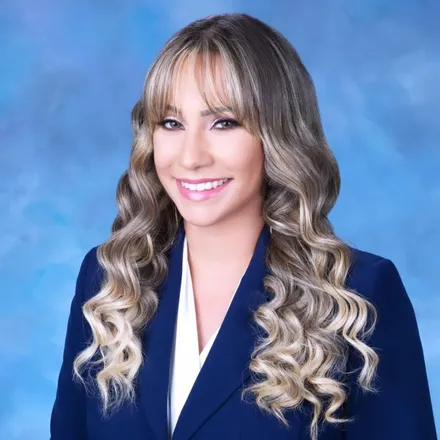
Monica Camacho is a dedicated therapist passionate about creating safe, affirming spaces for healing and growth. She integrates evidence-based approaches with a deep understanding of identity, culture, and lived experience. Monica’s work focuses on helping individuals navigate challenges such as trauma, neurodivergence, family dynamics, and identity development, while honoring each person’s unique story. She is committed to breaking generational cycles, amplifying marginalized voices, and empowering clients to find strength, balance, and authenticity in their lives.