How does acceptance and commitment (ACT) work, and what do sessions look like?
I use Acceptance and Commitment Therapy (ACT) to help clients develop a healthier relationship with difficult thoughts, emotions, and experiences rather than feeling controlled by them. In sessions, we explore what is showing up emotionally, identify the values that matter most to you, and work toward actions that are consistent with those values. I create a space where you can be curious about your experiences without judgment while learning practical ways to respond to anxiety, self-doubt, and emotional discomfort. Progress means becoming more flexible, more grounded, and more able to live authentically—even when difficult feelings are present.
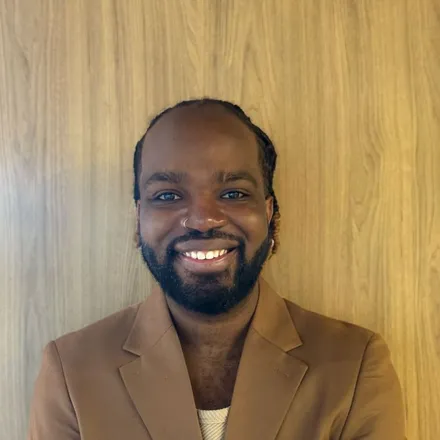
Raheem Forsythe is a licensed clinical social worker and UNCC MSW alumni who specializes in helping men, LGBTQ+ individuals, Black communities, and neurodivergent adults navigate anxiety, childhood trauma, and the pressures of performing. With lived experience and professional training, Raheem creates a grounded, culturally responsive space where clients can finally feel seen, understood, and free to heal.
He believes therapy should be a place where emotions are not a weakness, where curiosity meets compassion, and where clients can explore their feelings without judgment or expectation. By blending professional guidance with warmth, humor, and authenticity, Raheem helps clients build emotional awareness, strengthen boundaries, and grow into their most empowered selves.
Experience & Credentials:
Licensed Clinical Social Worker (LCSW)
Master of Social Work, University of North Carolina at Charlotte (UNCC)
Trained in trauma-informed counseling, anxiety management, and multicultural approaches
Skilled in mindfulness, Internal Family Systems (IFS), Cognitive Behavioral Therapy (CBT), and spiritual integration
Experienced in supporting creative, progressive, and diverse clients
Personal Approach:
Raheem’s approach emphasizes safety, grounding, and support. He meets clients where they are whether struggling with overthinking, navigating relationships, or processing past trauma—and provides practical tools, emotional insight, and a compassionate space to practice being fully themselves.