Skip to Content
Therapists answer…

How does Cognitive Behavior Therapy (CBT) work?

50+ Providers Matched
Micheal GrossM

Micheal Gross

Associate Marriage and Family Therapists (AMFT)
Online & In-PersonAccepting New Clients
How does cognitive behavioral therapy (CBT) work and how can it help?
Cognitive Behavioral Therapy (CBT) is an evidence-based approach that helps individuals understand the connection between their thoughts, emotions, and behaviors. Often, unhelpful thought patterns can contribute to feelings of anxiety, depression, low self-worth, or emotional distress. CBT helps identify these patterns and replace them with more balanced, realistic, and supportive ways of thinking. In therapy, we work together to recognize triggers, challenge negative beliefs, develop healthier coping strategies, and practice new skills that can be applied in everyday life. CBT can be highly effective for concerns such as anxiety, depression, trauma-related symptoms, stress, relationship difficulties, and self-esteem issues. By learning practical tools and gaining greater self-awareness, clients often experience improved emotional well-being, increased confidence, and a stronger sense of control over their lives.
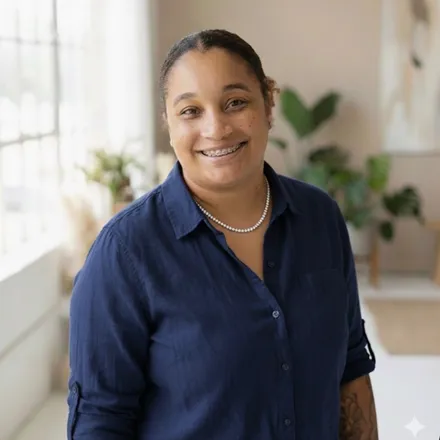
I am an Associate Therapist with experience supporting children, adolescents, adults, couples, and families from diverse backgrounds. Much of my work has focused on adolescents and young adults impacted by domestic violence and sex trafficking, helping them navigate complex trauma and build safety, resilience, and a sense of control. My approach integrates trauma‑focused CBT, solution‑focused therapy, EFT, and narrative therapy, tailored to each client’s strengths, culture, and goals. As a mature clinician who returned to school later in life, I bring lived experience, empathy, and a deep commitment to creating a safe, respectful space where clients feel genuinely heard, seen, and valued.
Tamara OppligerT

Tamara Oppliger

Clinical Psychologist

How does cognitive behavioral therapy (CBT) work and how can it help?

Kathleen SutherlandK

Kathleen Sutherland

Associate Marriage and Family Therapist
Online TherapyAccepting New Clients
How does cognitive behavioral therapy (CBT) work and how can it help?
CBT focuses on the connection between thoughts, feelings, and behaviors. In sessions, we identify patterns that may be contributing to distress and explore alternative ways of thinking and responding. I use CBT in a flexible way rather than rigidly. It is not about forcing positive thinking, but about creating more balanced and helpful perspectives.
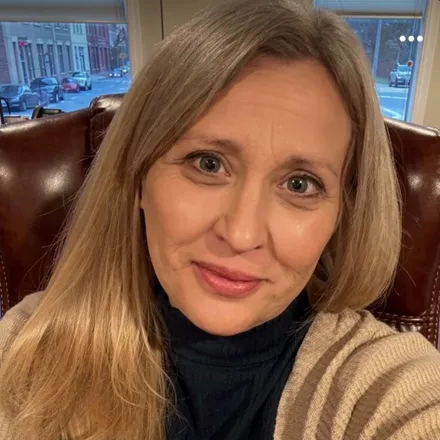
Dear future clients, I'm a bilingual therapist fluent in both English and Spanish, dedicated to providing compassionate support and guidance to Neurodivergent individuals (both Autism and ADHD), anxiety, depression, and life transitions. I create a warm and welcoming space where clients feel heard, understood, and empowered to navigate their mental health journey. I also offer neurodivergent assessments and group counseling. I am supervised by Cassandra Holt Kimbell, LPCC- S 11336, at Freestyle Supervision and EMDR Group LLC. My approach is rooted in empathy and openness, tailored to each client's unique needs and goals. I'm committed to helping individuals uncover their inner strengths, develop effective coping strategies, and build resilience in the face of life's challenges. If you're struggling with managing Autism or ADHD symptoms, anxiety and depression, or navigating significant life changes, I'm here to support you every step of the way. Together, we can work towards a brighter tomorrow, where you feel empowered to overcome obstacles and live a more fulfilling life. Reach out today and take a step towards positive change.
Maria Guevara SequedaM

Maria Guevara Sequeda

Licensed Professional Counselor

How does cognitive behavioral therapy (CBT) work and how can it help?

Laurie SchmitL

Laurie Schmit

LCSW
Online & In-PersonAccepting New Clients
How does cognitive behavioral therapy (CBT) work and how can it help?
CBT helps you understand how your thoughts, emotions, and behaviors influence one another. Together, we identify unhelpful patterns that may be contributing to stress, anxiety, depression, or self-doubt, and replace them with healthier, more balanced ways of thinking and responding. CBT is practical and goal-oriented, giving you tools you can use in everyday life to build resilience, improve emotional well-being, and create lasting change.
Being heard and understood is important. It’s difficult to trust your counselor or make progress if that's absent. All therapists have skills and knowledge, but who do you trust? I offer a free phone consult so you can gain a sense of who I am before committing to therapy. This is important work, which means you get to choose the best fit for you. Having worked as a therapist for almost 20 years now, I consistently receive feedback that I have a warm, calming presence. Therapy can be heavy; creativity, fun, and play are also important to healing. My style is compassionate & collaborative. I've worked extensively with busy professionals, especially in the medical and mental health fields. What makes you unique is that you are invested in self-improvement, balance, and connection. You are not here by mistake. We sometimes know what to do but need help taking steps and creating the safety to remove barriers. Then you have freedom to take charge of your life-go from surviving to thriving!
Nellie HarariN

Nellie Harari

Clinical psychologist
Online & In-PersonAccepting New Clients
How does cognitive behavioral therapy (CBT) work and how can it help?
Cognitive Behavioral Therapy has a reputation in some circles for being cold, formulaic, or overly focused on worksheets and homework. While I understand where that perception comes from, in my 20 years of practice, I've found it to be a profound misconception when considering applied practice. CBT, done well, is deeply relational. The techniques only work when they are delivered within a therapeutic relationship built on genuine trust, curiosity, and compassion. Before a patient can challenge a core belief or sit with a feared situation, they need to feel truly understood by their therapist. The "cognitive" and "behavioral" parts get all the attention, but the human connection is the container that makes any of it possible. In my own practice, I've never believed that loyalty to a single modality serves patients better than flexibility and clinical judgment. A supervisor I greatly admired early in my career put it simply and perfectly: CBT is not exclusionary. It allows for all kinds of theory and technique, as long as it works. That idea has stayed with me ever since. Over the years I have integrated approaches (i.e. ACT, DBT skills, Compassion Focused Therapy, Emotion Focused Therapy) not only because of what they unlock therapeutically, but because each one has deepened the way I conceptualize and understand my patients. Together they offer a richer, more holistic lens on a person's inner life and problems than any single framework can provide alone. The through line is always the evidence base; what I individualize is how I use it, and for whom. What I wish more people understood is that evidence-based therapy is not the opposite of warm, attuned, individualized care. The best CBT therapists I know lead with empathy and curiosity first, and technique second. Structure and warmth are not in tension. In fact, patients often tell me that having a clear, collaborative roadmap for their treatment makes them feel more cared for, not less, because it signals that their pain is being taken seriously. When I turn to the science, I do so in service of my patients, not as a substitute for truly seeing them.
You know something needs to change. Maybe you have carried a quiet sense for a while that something is not quite right. On the outside, you are capable and accomplished. On the inside, there may be anxiety, self-doubt, or a persistent feeling of not being good enough. I am a licensed clinical psychologist with nearly 20 years of experience working with adults. I believe change is possible. Together, we clarify what is keeping you stuck and move in a focused, collaborative way toward a more confident, values-driven life. I specialize in working with thoughtful, driven adults who feel stuck in anxiety, self-doubt, perfectionism, and depression. Using CBT, we look closely at the patterns between your thoughts, emotions, and behaviors and work in a focused, collaborative way to shift them, so you can move through life with more flexibility, confidence, self-trust, and joy. Clients often share that they feel understood, gently challenged, and supported in ways that make meaningful change feel possible. If you’re ready to take a thoughtful, steady look at what’s keeping you stuck, I invite you to reach out. We can begin working toward changes that feel real and lasting.
Mya Lacay-McneilM

Mya Lacay-Mcneil

LCSW
Online & In-PersonAccepting New Clients
How does cognitive behavioral therapy (CBT) work and how can it help?
Cognitive Behavioral Therapy (CBT) is an evidence-based approach that helps people understand the connection between their thoughts, emotions, and behaviors. Sometimes, unhelpful thought patterns can contribute to feelings of anxiety, depression, stress, or low self-esteem. CBT helps clients recognize these patterns, challenge negative beliefs, and develop healthier ways of thinking and responding to life's challenges. In my practice, I adapt CBT to each client's developmental level and individual needs. With children and teens, I often incorporate engaging, age-appropriate activities to teach emotional awareness and coping skills, while also involving parents or caregivers when appropriate. CBT can help clients manage anxiety, improve emotional regulation, build confidence, strengthen problem-solving skills, and develop practical tools they can use in everyday life.
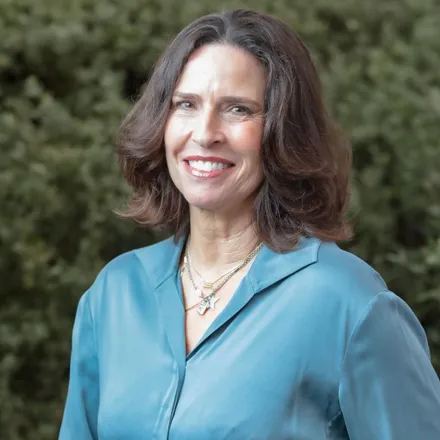
Mya McNeil is a Licensed Clinical Social Worker who is passionate about helping children, adolescents, and families thrive. She believes every child deserves a safe, welcoming space where they feel heard, understood, and supported. Mya partners closely with children and their families to strengthen communication, build healthy coping skills, and foster emotional growth both in and outside of therapy. As an Afro-Latina therapist, Mya is committed to providing compassionate, culturally responsive care that honors each client's unique experiences and strengths. Her approach is collaborative, strengths-based, and tailored to each individual's needs. She integrates evidence-based practices including Cognitive Behavioral Therapy (CBT), Dialectical Behavior Therapy (DBT), mindfulness, and solution-focused therapy. In addition to her work with children, teens, and families, Mya also enjoys working with adults seeking support through life transitions, stress, anxiety, and personal growth.