Skip to Content
Therapists answer…

How does Cognitive Behavior Therapy (CBT) work?

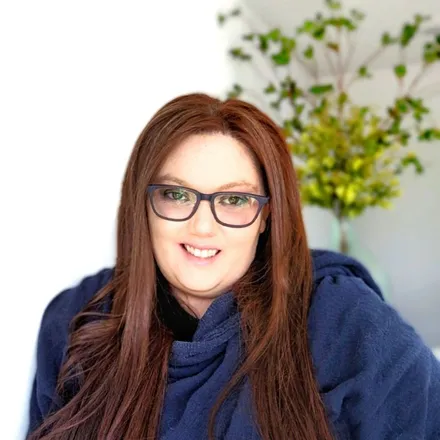
Augustin KendallA

Augustin Kendall

therapist
Online Therapy
What's your experience with cognitive behavioral therapy (CBT)?
My approach to therapy is relational and insight-oriented rather than behaviorally oriented. I believe behavioral shifts come when you're emotionally ready for them and feel safe enough to make changes.
Who am I really? How do I have better relationships? What’s the point of life? Is something wrong with me? Where do I belong? Can I heal? Are you asking yourself these questions? Are you ready to find some answers? Let’s co-create a space where you can find your internal compass, release your burdens (personal, intergenerational, cultural) and figure out what real change looks like. I’m here to help you embrace the intricate beauty and messiness of who you are. I bring to sessions boundless curiosity, caring challenges, and commitment to building trust at your own pace, all while keeping the focus on you. I am a trauma therapist at my core, and work a lot with folks who are navigating alternative sexualities and relationship styles (kink/BDSM, polyamory, ace, aro, you name it), living with chronic illness or disability, and exploring their gender (which is for cisgender folks too!). My approach is integrative in the sense that we will attend to your emotional, intellectual, and embodied ways of being. Are you ready to make meaning of your life in a way that integrates all of your experiences? Being witnessed in our whole truth can offer deep healing. I hope our work together will catalyze internal liberation, strengthening our shared path toward collective liberation.
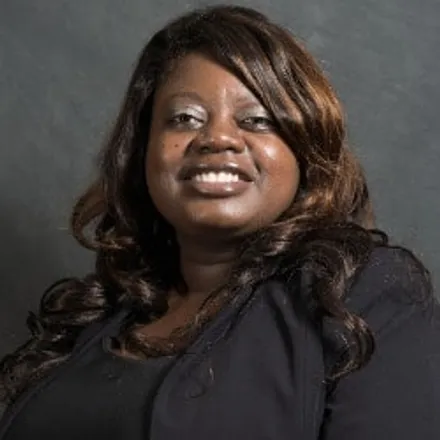
Diane CervenD

Diane Cerven

Licensed Professsional Clinical Counselor
Online Therapy
How does cognitive behavioral therapy (CBT) work and how can it help?
CBT looks at the root of the problem as being in our thinking. As he thinks in his heart, so he is (proverbs 23:7). It's ancient wisdom to work on the internal dialogue that is inside our heads. The one that no one else can hear, but affects not only what we do but also our mood. CBT's focus is getting to the core of our belief systems, those words spoken over us, the ones we believed from circumstances around us, even the ones we have absorbed from culture. They may not all be bad, but it's important that we know which ones are and which ones we need to kick to the curb and replace with healthy and helpful thoughts. That's the goal, minding our mind and being aware what we're telling ourselves, taking responsibility for our thoughts and improving them to fit a true view.
After a prolonged period of struggle, you're prepared to get the help you need. How can one, however, locate a therapist in Minnesota that they can truly rely on? Trust is a major key, along with clicking with your therapist, in order for therapy to work. Hi, my name is Diane Cerven, and I became a Licensed therapist in Minnesota because I saw desperation for further assistance and pain wherever I looked. I enrolled in 2002 in a master’s program in Counseling as I started working with people with anxiety and marital issues. I realized as I was going through that program so many people need help in their marriages and within themselves. Even to the point that many people don’t realize they have anxiety. I've gotten advanced training in marriage counseling, especially with communication. These are not sessions that you argue for an hour, stir things up, and try to put the pieces back together until the next session. I am very skills and solution focused. The same for anxiety counseling. I keep on top of the latest ways to help people best reduce or even eliminate their anxiety. If you want freedom from anxiety, we’ll walk that journey together. I have the skills and tactics that truly work, regardless of your personality—whether you are talkative, strong and silent, or whatever life events you have experienced. In addition, I'll either alter the course or recommend you somewhere if what we do doesn't work. Beyond anything else, I want you to truly heal, go forward, and lead a happy, fulfilled life. If you want to move forward in your journey by decreasing anxiety or improve your marriage, I’m here to help. It’s time for a compassionate ear, big heart, and the know how to get you to your best self. I also offer Christian counseling for those who want it. All sessions are online for your convenience. When calling our office please ask to have sessions with Diane.
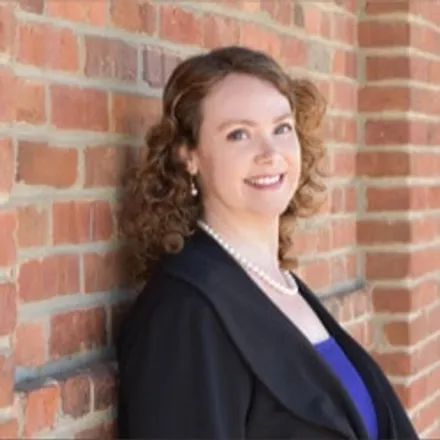
Helena Marshall LICSW, LCDPH

Helena Marshall LICSW, LCDP

Therapist
Online & In-Person
How does cognitive behavioral therapy (CBT) work and how can it help?
Cognitive Behavioral Therapy (CBT) is a structured, goal-oriented form of psychotherapy that helps people identify and change unhelpful thought patterns and behaviors. It’s one of the most widely used and well-researched therapies for mental health and emotional challenges. CBT is based on the idea that our thoughts, feelings, and behaviors are interconnected. When we change how we think, we can change how we feel and act. CBT teaches coping strategies like problem-solving, relaxation techniques, and assertiveness training. Clients learn to recognize distorted or automatic thoughts—like catastrophizing, black-and-white thinking, or overgeneralizing, guide clients in questioning the accuracy of these thoughts and replacing them with more balanced, realistic ones, clients engage in activities that challenge their fears or avoidance patterns, helping them build confidence and resilience, Clients often practice skills between sessions to reinforce learning and apply insights to real-life situations,
Welcome. My goal is to provide a safe and welcoming space where we can work together to understand your challenges, explore your strengths, and create meaningful, positive changes in your life. In our work together, we’ll talk about what you’re experiencing, identify what you’d like to shift, and empower you to take steps toward healing. Recovery is possible. I utilize a variety of therapeutic approaches to best fit each individual's needs; Cognitive Behavioral Therapy (CBT), Dialectical Behavioral Therapy (DBT), Solution Focused Therapy, Reality Therapy and motivational interviewing; with focus on problem solving, coping skills, relapse prevention and continued recovery. Treatment is available and there is no shame in seeking support. Take the first step—reach out today. You don’t have to do this alone.
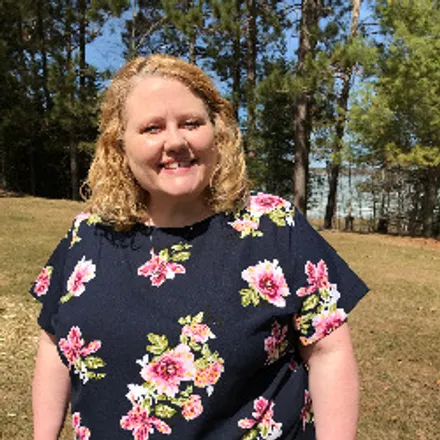
Lizette VelazquezL

Lizette Velazquez

LPC
Online Therapy
How does cognitive behavioral therapy (CBT) work and how can it help?
CBT is challenging the client by focusing on how their beliefs influence their emotions and actions. Help is providing the client with the education, tools and encouragement to practice the skills needed to reduce the symptoms they are experiencing. Clients should know it is my job to motivate, educate and assist with whatever issues they are dealing with. You will not be in counseling forever but for right now to reduce and/ or cease the symptoms you are experiencing and have the tools ready to use that are right for you when/ if the symptoms reoccur. 
Lizette is a Licensed Professional Counselor and has been helping individuals, children and families for 19 years. She earned a Bachelors degree in Psychology and a Masters degree of Science in Counseling. She has clinical experience with individual and family sessions, conducting groups, and working as a Clinical Director. Her philosophy is helping teach families and children ways to enrich their abilities and help them thrive. Lizette’s first step is to help de-mystify psychological terms in order for everyone to gain a better understanding of what is going on. The work begins when skills are introduced in order to increase the use of positive emotional management. Let’s face it – change is hard, when trying to stop or start something new everything takes time, but it can be done with clinical help and support. She utilizes a variety of tools that can help in decreasing problematic symptoms to include Solution Focused Therapy, Cognitive Behavioral Therapy, Psychoeducation, Grounding Techniques and the list goes on. Everything will be openly communicated and tailored to your individual needs in order to make sure the treatment plan is a good fit.