Skip to Content
Therapists answer…

How does Cognitive Behavior Therapy (CBT) work?

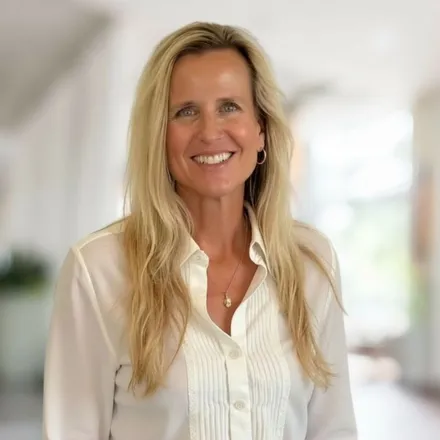
Sarah Carlson-PintS

Sarah Carlson-Pint

LMFT
Online & In-PersonAccepting New Clients
How does cognitive behavioral therapy (CBT) work, and what do sessions look like?
CBT focuses on the connection between your thoughts, emotions, and behaviors. In our sessions, we’ll work together to identify patterns that may be contributing to stress, anxiety, relationship challenges, or other concerns. We’ll explore unhelpful thought patterns, build on your existing strengths, and develop practical strategies you can use in everyday life. Sessions are collaborative and focused on meaningful, achievable progress. You can expect a supportive space to reflect on your experiences, gain new perspectives, and practice tools that help you respond to challenges in healthier and more intentional ways. The goal is to help you develop greater self-awareness, confidence, and lasting emotional wellness.
Supporting individuals, couples, and families in Florida and California with holistic counseling and emotional wellness: I love helping people learn how to navigate life’s challenges and build healthier, more fulfilling relationships with themselves and those around them. Together we explore patterns, uncover your strengths, and develop practical strategies to help you create meaningful change. I believe in working collaboratively with you, and take a holistic approach that focuses on healing the body, mind, and spirit, thereby integrating emotional, relational, and spiritual growth. Along with individual therapy sessions, I also run Women’s Circle groups, and I specialize in working with couples based on the Gottman Institute and offer Couples Intensive Retreats. My goal is to provide you with a supportive, compassionate space where you can gain insight, find balance, and move forward with confidence and resilience!
Retta BrightR

Retta Bright

PMHNP-BC
Online & In-PersonAccepting New Clients
How does cognitive behavioral therapy (CBT) work, and what do sessions look like?
CBT helps you recognize the connection between your thoughts, emotions, and behaviors and understand how these patterns may contribute to emotional distress. In sessions, we work collaboratively to identify unhelpful thought patterns, develop healthier perspectives, and practice practical coping strategies. Sessions are supportive and individualized, with the goal of building self-awareness, emotional resilience, and skills you can use in everyday life.
Retta S. Bright, a Mental Health Nurse Practitioner, is Accepting New Patients. Providing medication management with psychotherapy to support each individual’s unique journey toward mental wellness and stability. I am a compassionate listener and am dedicated to supporting you on your journey to mental wellness. I am dedicated to delivering compassionate, client-centered, and evidence-based care with a root-cause analysis approach. Rooted in empathy, active listening, and mutual trust, I ensure a safe and supportive space for you to express yourself freely. What makes me unique as a mental health provider is my specialized experience in treating bipolar disorders and my ability to connect with both adolescents and adults facing complex mental health challenges, providing individualized, compassionate care that combines medication management with therapeutic support. My goal is to help each individual better understand their mental health, develop emotional resilience, and feel empowered to live a healthier, more fulfilling life. If you or your child are struggling with anxiety, depression, anger issues, PTSD, OCD, or bipolar disorder, give me a call today. You do not have to be alone.
Moshe ManessM

Moshe Maness

LMHC
Online TherapyAccepting New Clients
How does cognitive behavioral therapy (CBT) work, and what do sessions look like?
CBT focuses on understanding the connection between thoughts, emotions, and behaviors and how these patterns can influence the way we experience everyday life. While my primary approach is psychodynamic, person-centered, and emotionally focused, I may incorporate CBT-informed strategies when they are helpful for a client’s goals. Sessions provide a supportive space to explore current concerns, identify patterns of thinking or reacting, and develop greater awareness of how these patterns affect emotions and behavior. Depending on what you are working through, we may discuss situations from the past week, explore emotional reactions, practice mindfulness, or identify healthier and more intentional ways of responding. The process is collaborative and tailored to you, with the goal of helping you better understand yourself and make changes that support the life you want to live.
Moshe Maness is a Licensed Mental Health Counselor from Brooklyn, NY but now online in NY. CT, MA, PA, FL, AK and WA. Moshe is passionate about showing individuals that their mental health doesn’t have to control their lives. Moshe helps clients who face depression, anxiety, stress, and difficult emotions that hold them back from living full lives. These individuals might also face perfectionism or burnout. Their mental health may get in the way of succeeding in the workplace, building healthy relationships, or feeling confident in themselves. Many of Moshe’s clients also experience overwhelming and at times confusing feelings of anger, frustration, loneliness, or regret. Moshe’s approach to therapy is psychodynamic, person-centered, and emotionally-focused. Clients talk openly about what’s on their mind, including their past, recent or current emotions, situations that made them react in a certain way, or ideas that came to them since the last session. Moshe helps clients make connections between the past and the present. He also teaches clients how to pay close attention to how they’re feeling, both emotionally and physically. Clients practice mindfulness to develop a keen sense of awareness that can help them better understand their reactions. Moshe also helps clients align their lives closer to their values and what’s important to them so that there’s no dissonance between how they live and how they want to live. He encourages them to consider existential questions about their life’s purpose and what it means to them to be fulfilled. Moshe earned a Master’s degree from Columbia University. He empowers clients to live confidently and with a sense of worthiness, even if they’re facing mental health challenges. He values creativity, compassion, and acceptance in his work with clients and strives to build a strong, trusting therapeutic relationship from the very first session.

Danielle RodriguezD

Danielle Rodriguez

LCSW
Online TherapyAccepting New Clients
How does cognitive behavioral therapy (CBT) work, and what do sessions look like?
Cognitive behavioral therapy (CBT) helps children and adolescents understand the connection between their thoughts, feelings, and behaviors. In sessions, we work together to identify unhelpful thought patterns and develop healthier ways of thinking and responding to challenges. Sessions may include conversation, skill-building activities, and practical strategies to help your child develop self-awareness, manage emotions, build confidence, and navigate everyday situations more effectively.
I am a child and adolescent therapist, specializing in treating children and adolescents within a wide range of areas such as, anxiety, depression, self-esteem, bullying, school avoidance, peer relationships, trauma, behavioral challenges, life changes, and transitions. I hold a bachelor’s degree in psychology and a master’s degree in clinical social work. As a certified school social worker by day, I have the ongoing experience of working with children, in a school setting. Because of this, I understand the importance of social emotional learning, and I can help your child to develop and implement the appropriate social emotional skills needed to navigate through school and life. We can work together to develop skills such as, self-awareness, self-management, social awareness, responsible decision making, and relationship skills. Growing up is a rewarding, yet challenging time, and I am here to guide your child or teen through any obstacles that arise along the way.
Sophia ChannellyS

Sophia Channelly

Psychology associate
Online TherapyAccepting New Clients
How does cognitive behavioral therapy (CBT) work and how can it help?
Cognitive Behavioral Therapy (CBT) is a structured approach that focuses on identifying and changing negative thought patterns and behaviors that contribute to emotional distress. In our sessions, we’ll work together to uncover these thought patterns, challenge and reframe them with more balanced perspectives, and implement behavioral changes through techniques like gradual exposure to feared situations. Each session typically begins with a check-in, where we discuss your week and any challenges you've faced, followed by practical exercises and often homework assignments to reinforce what you've learned. It’s important to know that CBT is a collaborative process, requiring your active participation, and that progress can vary; feeling discomfort as you confront challenging thoughts is normal. My goal is to empower you with tools to manage your thoughts and behaviors effectively, helping you find relief from anxiety, depression, and other emotional challenges while supporting you on your journey to a more fulfilling life.
I am working on my dissertation in a doctoral program in clinical psychology. At our practice, we understand that every child is unique, facing their own challenges and strengths. My approach, under supervision, combines evidence-based techniques with a deep understanding of individual needs, ensuring that each intervention is tailored to promote effective learning and emotional health. Services include: 1. **Educational Therapy**: I design customized learning plans to help children with learning disabilities overcome obstacles and enhance their academic engagement. 2. **Behavioral Support**: Through targeted interventions, I assist students in developing healthier behavior patterns and coping skills, fostering a positive environment for growth. 3. **Family Collaboration**: I believe in the power of a supportive network. I work closely with families, providing guidance and resources to navigate educational placements and special education services. 4. **Community Outreach**: My commitment extends beyond individual therapy. I lead workshops and training sessions to raise awareness and provide support for students with special needs within the community. Together, we can create a nurturing atmosphere where children thrive, empowering them to reach their full potential. If you’re ready to take the next step, I invite you to reach out and schedule a consultation. Let’s work together to build a brighter future.