Skip to Content
Therapists answer…

How do you work with clients with trauma and PTSD?

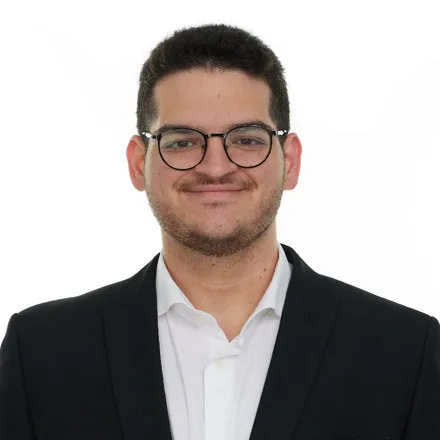
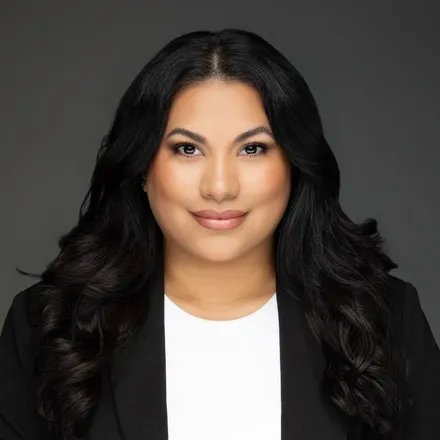
Octavia PhoenixO

Octavia Phoenix

Psychotherapist at Your Voice Matters Therapy
Online TherapyAccepting New Clients
Why is trauma processing important?
Trauma processing is important as trauma literally re-wires our brain and leaves us experiencing life out of this survival, fight/flight lens. Constantly living life on the edge of trauma can be exhausting and leave you burnt-out,  less trusting, and experiencing surface level relationships. Processing trauma can allow us to release the tension of internalized guilt/shame both emotionally and physically leaving us more open to new and health experiences. 
Hi, I am Octavia a therapist at Your Voice Matters Therapy. I am accepting new clients so feel free to reach out for a free 15-minute consultation. I aim to create a warm, safe, confidential, and judgment-free space for clients. It is important for clients to have such a space to be able to unpack and explore all that is bothering them. I work with clients through a few different approaches such as strength-based, Humanistic, and mindfulness. Therapy is not one size fits all and thus I tailor my work to each individual client. I believe that everyone is the author of their life story. In that story, you may experience many challenges, but know that you do not have to face those challenges alone. Together we can work through those challenges so that you are ready and prepared for whatever other challenges the future may hold. Together we will build a tool kit to help you continue your life story. Do not end it here!
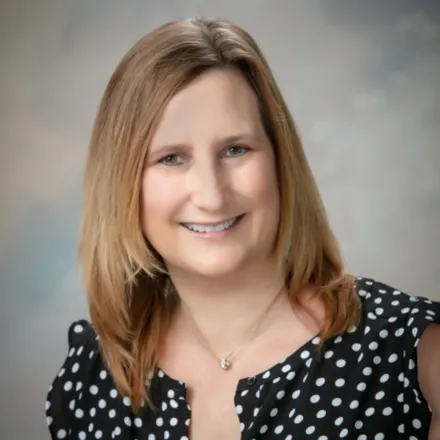
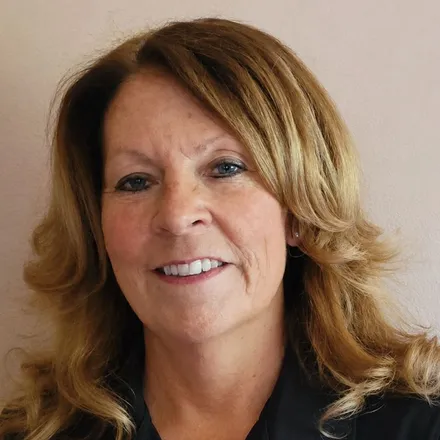
Stacy HuddlestonS

Stacy Huddleston

Licensed Clinical Social Worker / Therapist
Online & In-PersonAccepting New Clients
How do you work with clients with trauma and PTSD?
I support clients with trauma and PTSD by creating a safe, compassionate space to process their experiences. I use evidence-based approaches like CBT, DBT, and ACT to help reduce symptoms, teach grounding and coping skills, and work toward healing and reclaiming a sense of control.
My path to becoming a therapist is deeply personal. Over the years, I have experienced grief, loss, divorce, trauma, abuse, and major life transitions in my own journey. These experiences not only shaped my understanding of suffering but also deepened my heart for walking with others who find themselves in painful or uncertain seasons. I know firsthand how overwhelming life can feel, and I also see the hope and restoration that can come through faith, healing, and connection. In addition to my personal journey, I have spent many years as a social worker in the hospice field, supporting individuals and families through end-of-life care, loss, and the grieving process. These experiences deepened my calling to create a safe and compassionate space for people in their most vulnerable moments. They also strengthened my belief that healing is possible even in seasons of sorrow, especially when we lean on faith and community. Today, as a Licensed Clinical Social Worker, I specialize in supporting individuals through grief, loss, trauma, relationship struggles, and life transitions. My approach is warm, collaborative, and faith-centered—grounded in the belief that every person is created in God’s image and deeply loved by Him. At Connect & Restore Therapy, I blend evidence-based practices with Christian values, offering a safe space where you can process your story, rediscover your strength, and move forward with clarity and peace. It is my privilege to walk alongside you, not only as a therapist but also as someone who has walked through valleys and experienced God’s grace and renewal firsthand. Together, we can lean into hope and pursue the healing and restoration God desires for your life. As Scripture reminds us, “The Lord is close to the brokenhearted and saves those who are crushed in spirit” (Psalm 34:18).
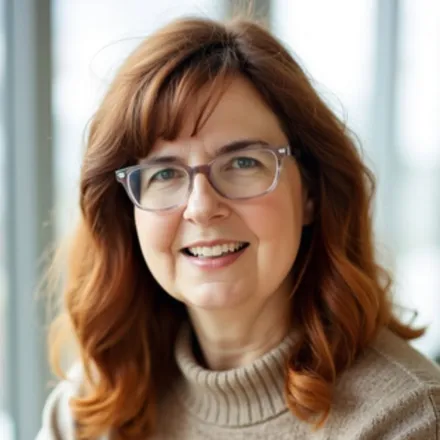
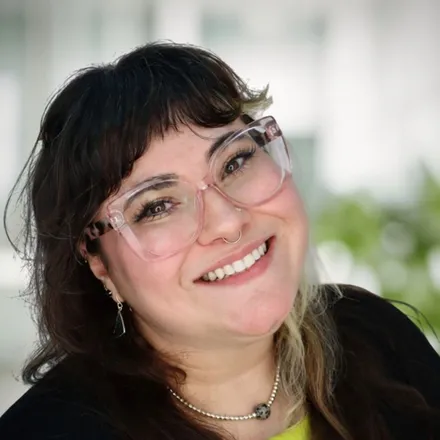
Kadrea ForteK

Kadrea Forte

LMFT
Online TherapyAccepting New Clients
What's your approach to trauma and PTSD, and what does progress look like for clients?
I take a compassionate, trauma-informed approach that focuses on creating safety, understanding the root of what you’re experiencing, and moving at a pace that feels comfortable for you. Using approaches such as IFS, CBT, ACT, mindfulness, and compassion-focused therapy, we can gently explore difficult experiences while building healthy coping tools. Progress may look like feeling more grounded, understanding yourself more deeply, managing triggers with greater confidence, and feeling more empowered in your relationships and daily life.
Are you experiencing any challenges or roadblocks that life is throwing at you right now? Are you in need of a safe sanctuary with non judgmental support through anxieties,fears,or traumas? Do you find it hard to manage your interpersonal relationships, work,and fit in self care? Seeking therapy can feel so scary, it takes so much courage and strength to step out of your comfort zone. My job is to be on the passenger side of your therapy journey, helping you find the answers within, and giving you tools to support you along the way. I am open minded, empathetic, compassionate,and have a non judgemental approach to care. I can help you find the root of your problems and dive deep to support you with finding the answers within. I like to challenge my clients, but utilizing a gentle approach. I am certified in mindfulness practices and I lean into a holistic/spiritual lens to mental health Care. I consider myself eclectic and utilize several theoretical approaches to care such as :CBT,ACT,IFS, and compassion focused.
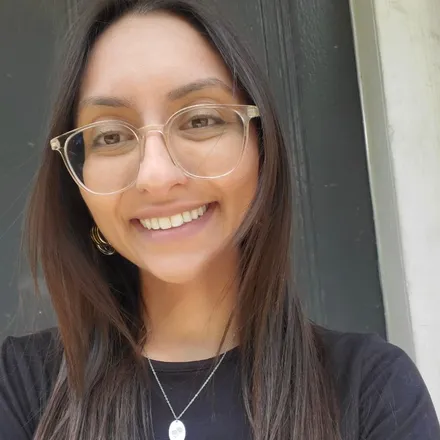
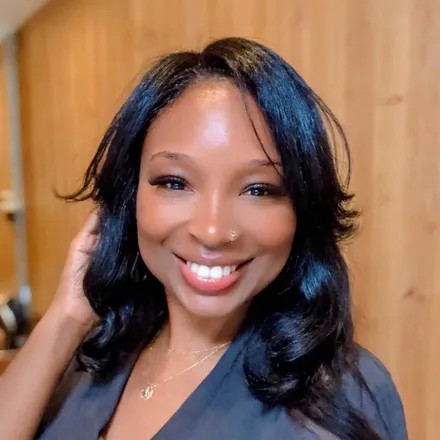
Veronica CookV

Veronica Cook

PMHNP-BC
Online TherapyAccepting New Clients
What's your approach to trauma and PTSD, and what does progress look like for clients?
I approach trauma and PTSD with compassion, patience, and an understanding that healing happens at your own pace. My priority is creating a safe, supportive environment where you feel heard and respected—not rushed or judged. Together, we'll explore how trauma may be affecting your emotions, relationships, sleep, and overall well-being while developing a personalized treatment plan that may include evidence-based medication management, supportive therapy, and practical coping strategies. Progress isn't about forgetting what happened; it's about feeling safer in your body, experiencing fewer distressing symptoms, improving emotional regulation, rebuilding confidence, and being able to engage more fully in your daily life and relationships.
I believe mental health deserves the same attention and compassion as every other aspect of healthcare. My journey into psychiatry began long before I became a clinician, with experience in healthcare administration and multiple inpatient hospital settings. Today, I continue practicing hospital medicine alongside psychiatry, giving me a unique perspective on how physical and mental health are deeply connected. As a dual board-certified Family Nurse Practitioner (FNP) and Psychiatric-Mental Health Nurse Practitioner (PMHNP), I provide comprehensive, integrative care that considers the whole person—not just a diagnosis. I understand that factors like sleep, physical health, stress, and the nervous system all play an important role in emotional well-being, and I tailor treatment to reflect those connections. I provide compassionate, evidence-based care for individuals experiencing depression, anxiety, PTSD, bipolar disorder, and other mental health concerns. My practice, You Belong Integrative Mental Wellness, was created to offer an affirming, inclusive space for healthcare professionals experiencing burnout, BIPOC individuals, LGBTQ+ clients, older adults, and anyone seeking respectful, culturally responsive mental healthcare.