Skip to Content
Therapists answer…

How do you work with clients with trauma and PTSD?

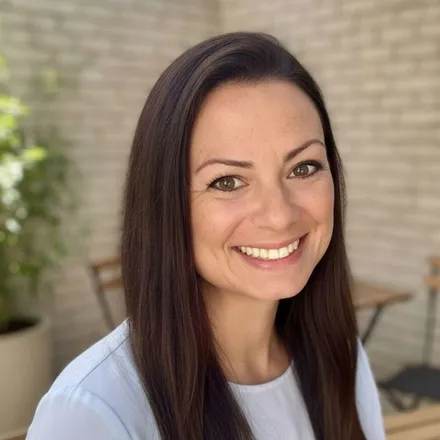
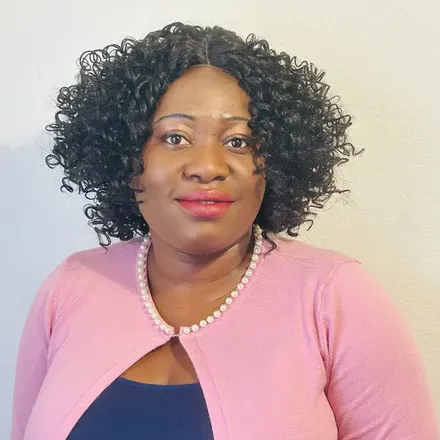
Bridget C. EverettB

Bridget C. Everett

MA,LPC,EMDR Trained; Clinical Therapist
Online & In-PersonAccepting New Clients
How do you work with clients with trauma and PTSD?
When working with clients with trauma and PTSD, I create a safe, supportive environment where they can feel heard and understood. I use evidence-based approaches, such as EMDR, cognitive-behavioral therapy, and mindfulness-based techniques, to help clients process traumatic memories, reduce symptoms, and regain a sense of safety. I also focus on building coping skills, emotional regulation, and resilience, empowering clients to navigate triggers, reclaim control over their lives, and work toward healing and recovery.
Bridget is a Licensed Professional Counselor (LPC), EMDR-trained, and a Certified Grief Therapist (CGT). She brings extensive experience in mental health care, having worked in inpatient and outpatient settings, as well as residential programs and intensive outpatient (IOP) and partial hospitalization (PHP) programs for adolescents and young adults. She approaches therapy as a collaborative, supportive journey rooted in trust, respect, and authentic connection. She believes that meaningful and lasting change begins with feeling truly seen, heard, and understood—not only by others, but by oneself. Dedicated to creating a safe, inclusive, and nonjudgmental therapeutic space, Bridget invites clients to explore their inner world with curiosity, courage, and compassion. With her warm and grounded presence, she helps individuals cultivate self-awareness, foster emotional healing, and support sustained psychological growth. Bridget works with clients across the lifespan, including children as young as three, adolescents, adults, couples, and families, offering individualized, developmentally appropriate care. She is committed to ongoing professional growth and is currently pursuing Certifications in Neuropsychotherapy, Neural Desensitization and Integration, and ADHD Assessment & Treatment. She integrates a broad range of evidence-based therapeutic approaches tailored to each client’s unique needs, including: Cognitive Behavioral Therapy (CBT) Trauma-Focused CBT (TF-CBT) Eye Movement Desensitization and Reprocessing (EMDR) Dialectical Behavior Therapy (DBT) Acceptance and Commitment Therapy (ACT) Mindfulness-Based Interventions Psychodynamic Therapy Bridget is particularly attuned to how shame, guilt, and inner conflict contribute to emotional distress and disconnection from self and others. She helps clients strengthen emotional regulation, cultivate self-compassion, and develop insight into their internal experiences. Her approach combines relational and neuropsychological perspectives, recognizing the brain’s remarkable capacity for growth, adaptation, and healing. Areas of Clinical Expertise: Attention-Deficit/Hyperactivity Disorder (ADHD) Anxiety and Panic Disorders Depressive and Mood Disorders Trauma and Post-Traumatic Stress Grief, Loss, and Life Transitions Outside of work, Bridget nurtures her own growth and balance through time with family and friends, connecting with nature, journaling, reading, traveling, drawing, biking, practicing yoga and mindfulness, kayaking, playing soccer and lacrosse, running, and enjoying games—especially chess! Bridget resonates deeply with the words of F. Scott Fitzgerald: “For what it’s worth … it’s never too late, or in my case too early, to be whoever you want to be … there’s no time limit — start whenever you want … you can change or stay the same — there are no rules to this thing … we can make the best or the worst of it … I hope you make the best of it … I hope you see things that startle you … I hope you feel things you’ve never felt before … I hope you meet people with a different point of view … I hope you live a life you’re proud of … and if you find that you’re not, I hope you have the courage to start over again.” 970-400-7319 [email protected] Psychiatric Services of the Rockies Fort Collins, CO 
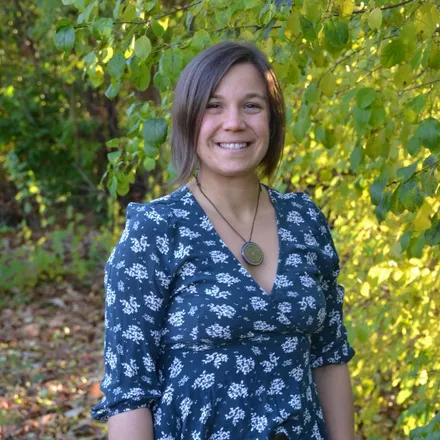
Matthew PieknikM

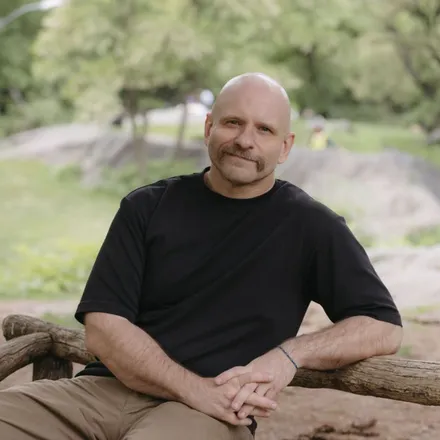
Matthew Pieknik

Clinical Social Work/Therapist, LCSW
Online & In-PersonAccepting New Clients
What's your approach to trauma and PTSD, and what does progress look like for clients?
Trauma can profoundly shape the stories we tell ourselves—about safety, trust, worth, and belonging. My approach is not to rush into revisiting painful experiences, but to first create a therapeutic relationship where you feel safe enough to explore them at your own pace. Together, we'll examine how past experiences continue to influence your present life, relationships, emotions, and sense of self, while recognizing the strengths and resilience that have helped you survive. Progress isn't measured by forgetting what happened or never feeling distressed again. Instead, it often looks like reclaiming a greater sense of choice and agency. Many clients find they become less overwhelmed by traumatic memories, respond to difficult situations with greater flexibility, develop more compassionate ways of relating to themselves, and begin living according to their own values rather than trauma's expectations. The goal is to help you become the author of your life again, with your past informing your story rather than defining it.
You have a story about yourself — about who you are, what you're capable of, what you deserve. Chances are, you didn't write all of it. Parts came from your family, your culture, old wounds, expectations you never agreed to. And chances are, some of that story no longer fits. I come to psychotherapy from an unusual place: a background in literature and literary theory, and twenty years of teaching and counseling before I ever became a therapist. That means I listen differently. I pay close attention to the language you use, the stories you tell about yourself, and the larger narratives — familial, generational, cultural, even unconscious — that have been shaping you long before you had a say in the matter. Together, we co-author something new. Not by erasing your history, but by loosening its grip — finding the parts of the old story that were never really true, and uncovering resources you didn't know you had to build the life you actually want. Sexuality often has a central role in this work; it's rarely peripheral to who we are and who we're becoming, and I make room for it accordingly. I work most often with anxiety, depression, mood disorders, personality disorders, and relationship conflict — but more than any diagnosis, I'm interested in the story underneath it, and in helping you become its author instead of its subject. If this resonates, I'd love to talk.
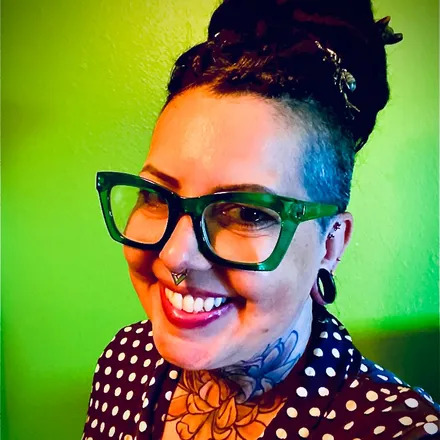
Mallory RigbyM

Mallory Rigby

LPC
Online & In-PersonAccepting New Clients
What's your approach to trauma and PTSD, and what does progress look like for clients?
I approach trauma and PTSD with compassion, safety, and an understanding that healing happens at your own pace. My priority is creating a trusting, nonjudgmental environment where you feel supported as we work through the impact of traumatic experiences. I integrate evidence-based therapies, including EMDR and DBT, to help process traumatic memories, reduce emotional distress, strengthen coping skills, and improve emotional regulation. Progress looks different for every person, but it often includes feeling less controlled by past experiences, experiencing fewer trauma-related symptoms, building healthier relationships, and gaining greater confidence in managing life's challenges. My goal is to help you move beyond surviving so you can feel more present, empowered, and engaged in the life you want to live.
I believe therapy is most effective when you feel safe, understood, and genuinely supported. My approach is collaborative, compassionate, and tailored to your unique needs. I integrate evidence-based modalities, including EMDR and DBT, to help you process past experiences, build emotional regulation skills, and create meaningful, lasting change. I have experience working with individuals navigating anxiety, depression, trauma, loss, life transitions, and relationship challenges. Through EMDR, I support clients in reprocessing distressing experiences so they feel less overwhelming and more integrated. Using DBT, I help you develop practical tools for managing emotions, tolerating distress, and improving relationships. My style is warm, grounded, and engaged. I value authenticity and strive to create a nonjudgmental space where you can show up as you are. Whether you’re seeking relief from current stressors or working through deeper patterns, I’ll meet you where you are and support you in building a life that feels more balanced, connected, and aligned with your goals.
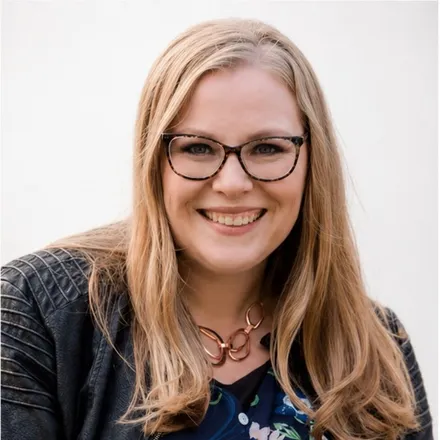
Dr. Lisa PalmerD

Dr. Lisa Palmer

Marriage & Family Therapist, PhD, LMFT, CHT, CRRTT
Online & In-PersonAccepting New Clients
How do you work with clients with trauma and PTSD?
I help clients safely process traumatic memories while stabilizing the nervous system and reducing reactivity. Using evidence-based methods such as EMDR, trauma-focused CBT, grounding techniques, and emotional regulation strategies, we work to lessen the intensity of triggers, rebuild a sense of safety, and restore healthier patterns of thinking and responding.
I’m Dr. Lisa Palmer, Clinical Director of The Renew Center of Florida, where I provide compassionate, specialized therapy for individuals, couples, and families. Through both in-person sessions and secure virtual care across Florida, I support clients in finding clarity, healing, and meaningful, lasting change. With advanced clinical training and decades of experience, I help adults and teens work through anxiety, depression, PTSD, trauma, substance use, relationship struggles, life transitions, and stress-related challenges—always with a focus on restoring balance and strengthening emotional well-being. My therapeutic approach is highly personalized. I draw from a broad range of evidence-based modalities, including Cognitive Behavioral Therapy (CBT), Dialectical Behavior Therapy (DBT), EMDR, mindfulness-based techniques, trauma-focused interventions, and emotional regulation strategies. Together, we identify the patterns that no longer serve you and develop practical, effective tools to support healthier thoughts, improved coping, and a renewed sense of resilience.