Skip to Content
Therapists answer…

How do you work with clients with trauma and PTSD?

Amita GhoshA

Amita Ghosh

LPCC
Online TherapyAccepting New Clients
How do you work with clients with trauma and PTSD?
I work with trauma and PTSD in a thoughtful, paced, and highly individualized way. My approach begins with creating a sense of safety, trust, and emotional stability, especially for clients who may have spent years functioning well on the outside while carrying significant pain internally. Together, we explore how trauma may be affecting your nervous system, relationships, sense of self, emotional regulation, and ability to feel present in your life. I draw from evidence-based approaches such as EMDR, Ketamine-Assisted Psychotherapy, and other trauma-informed methods to help clients process painful experiences without becoming overwhelmed by them. The goal is not simply to revisit the past, but to reduce its emotional charge, restore a sense of control, and help you move forward with greater clarity, resilience, and inner calm.
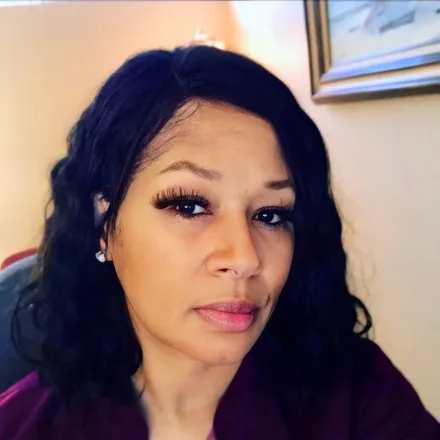
With over 32 years of clinical experience, Amita Ghosh provides highly personalized psychotherapy for discerning individuals seeking exceptional care, depth, and discretion. She specializes in working with high-functioning professionals, executives, creatives, and individuals navigating complex professional, personal and relational challenges who value privacy, emotional intelligence, and sophisticated psychological insight. Amita is trained in EMDR, Gottman Therapy, and Ketamine-Assisted Psychotherapy, integrating evidence-based approaches to support meaningful and lasting change. Her work focuses on helping clients move through trauma, relationship difficulties, anxiety, burnout, and life transitions with greater clarity, resilience, and emotional balance. In addition to her clinical work, Amita leads transformational retreats for women, creating spaces for deeper reflection, renewal, and personal growth within an atmosphere of professionalism, warmth, and complete confidentiality.
Christina DeeC

Christina Dee

LMFT Psychotherapist
Online & In-PersonAccepting New Clients
How do you work with clients with trauma and PTSD?
Human beings have an innate ability to overcome the effects of diverse traumas. Because trauma destabilizes the nervous system, life can be experienced with a tremendous amount of stress and reactivity (hyperarousal) as well as numbness and indifference (hypoarousal). When we address the emotional and energetic aspects of trauma, our higher-self can re-engage with the distressed body to nurture recovery and rebalancing. The practice of resourcing (the ability to use internal and external resources to constructively achieve a relaxed but alert state of being) builds up and restores long-term resilience. Resourcing anchors our nervous system with calm and ease, enhances our ability to respond to spontaneous stress and refreshes our sense of self, connections to others, and feelings about the world.
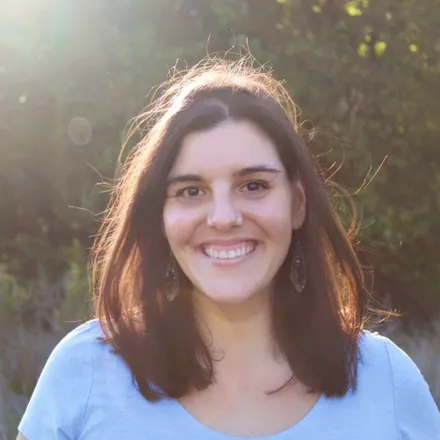
Whether you're starting therapy for the first time or returning to the work, I look forward to meeting you where you are. I support individuals and couples navigating a wide range of psychological and emotional challenges, including trauma, grief, stress, anxiety, panic, depression, burnout, relational wounds, and the impact of abuse, misconduct, coercion, and other harmful experiences. In addition to working through emotional pain and past experiences, I help clients strengthen self-connection, navigate life transitions, establish healthy boundaries, and cultivate a deeper sense of internal security, resilience, and self-trust. In our work together, we'll take the time to understand where you are in your life and the experiences that have shaped you. My aim to create a space where you feel seen, understood, reassured, and genuinely supported. No matter what brings you to therapy, I'm here to support you in your healing and help you reconnect with yourself and those around you. My approach is collaborative, compassionate, and grounded in fostering insight, resilience, and meaningful change. I offer a warm, nonjudgmental space and hold deep respect for each person’s innate capacity for growth and healing. It’s an honor to walk alongside you and support you in this process.
ROBYN PARKER

ROBYN PARKE

PMHNP-BC
In-Person TherapyAccepting New Clients
Why is trauma processing important?
Trauma processing is important because difficult experiences can continue to affect how a person feels, thinks, reacts, and connects with others long after the event has passed. When trauma is not processed, it may show up as anxiety, mood changes, sleep problems, emotional overwhelm, avoidance, irritability, or feeling stuck. Trauma processing helps clients safely understand what happened, reduce the intensity of painful memories, and build healthier coping tools so they can feel more grounded, present, and in control of their lives.
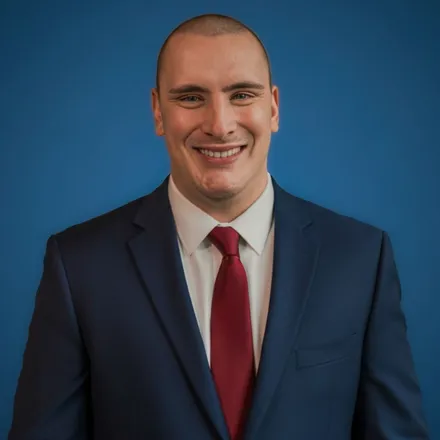
I am a board-certified psychiatric nurse practitioner providing thoguhtful, personalized mental health care for adults and children navigating busy, high-demand lives. Through a blend of medication management and psychotherapy offered with our LCSW, I help patients find clarity, balance, and lasting improvement in their mental health. My approach is collaborative, evidence-based, and tailored to you - whether you're managing ADHD, anxiety, depression, sleep or mood concerns. I specialize in working with professionals, including healthcare workers, first responders, and those in the service industry who are often balancing high stress with limited time. Appointments are primarily offered via secure telehealth for convenience and privacy, with in-person visits available as needed. My goal is to create a supportive, judgement-free space where you feel heard, understood, and empowered to move forward.
Callista CoxC

Callista Cox

Associate Marriage & Family Therapist
Online TherapyAccepting New Clients
How do you work with clients with trauma and PTSD?
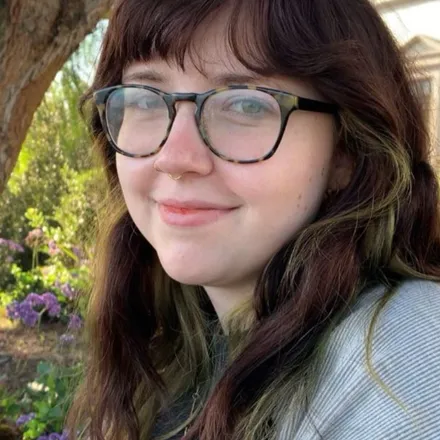
I provide the following treatments for PTSD and CPTSD: Prolonged Exposure (PE) - a first-line treatment Research shows it is effective in reducing symptoms and improving overall functioning. Though it might sound scary, we will go at your pace, monitor your stress, and use grounding skills throughout the process. I will not be your enemy, but your guide, walking hand in hand with you as we reduce the avoidance that is keeping you stuck. Together we will practice standing in the face of the things that feel most triggering and remembering that you are here and alive in the now. Narrative Exposure Therapy (NET) - a second line treatment Research shows that this is has been most effective in relationship to political and cultural trauma. By re-telling and re-authoring your story, we can see it from a new perspective and see how the traumatic events have impacted who you are today. It might feel like we are writing a book, if that book had chapters on your sensory information, your feelings, thoughts, and visual memories. At the end of treatment we can hold a tangible biography or creative artwork that speaks to the life you have lived. I will use a multi-modal or eclectic approach, blending a trauma treatment with body-awareness, DBT mindfulness skills, and ACT value identification skills so that you can feel supported as a whole person. Similarly to how I talk about gender, just because you come to me with trauma, doesn’t mean I automatically become your Trauma Only Therapist™ We can work on what comes up for you, even if you might think it’s “a lot.” My job is to hold that space for you. As a provider who has lived experience with CPTSD and PTSD, I learned first hand just how important trauma treatment is. There are many other first-line and second-line treatments for PTSD and C-PTSD. If you would like to explore other treatment options such as Cognitive Processing Therapy or EMDR, please reach out and I can connect you to colleagues who are currently trained in these modalities. Additionally if you would like to try holistic and somatic-based treatments such as Somatic Experiencing for trauma, I have colleagues who I would highly recommend.
Therapy for queer, trans, gender-expansive, disabled, neurodivergent, grieving, and caregiving folks and their loved ones.