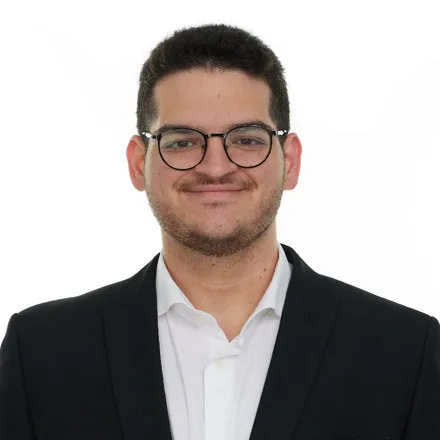
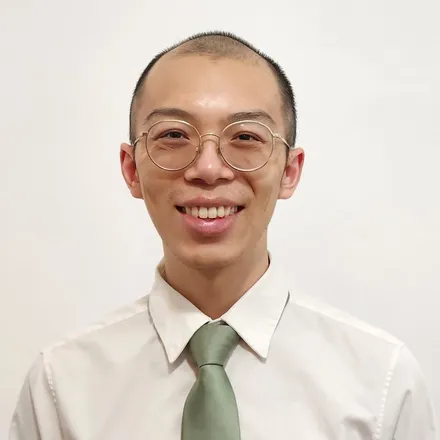
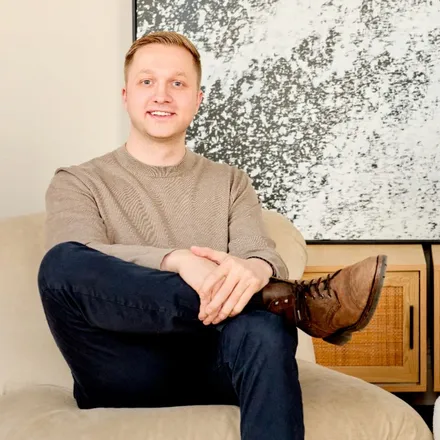
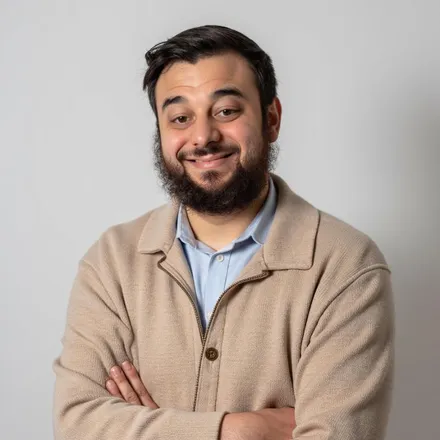
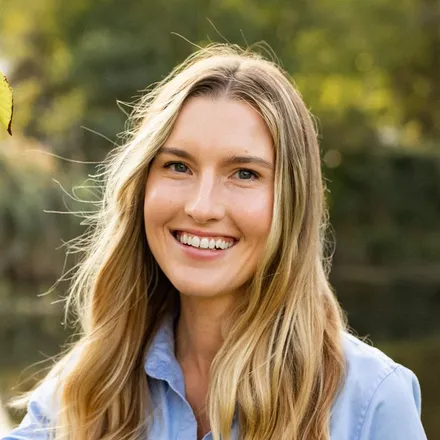
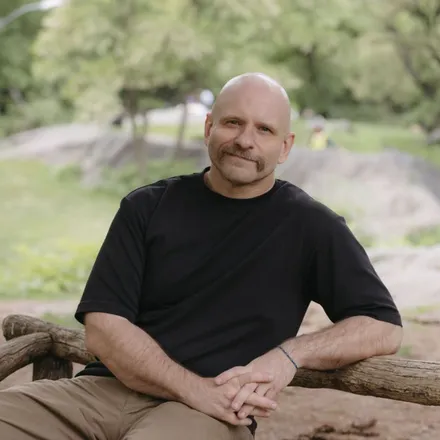
Moshe Maness is a Licensed Mental Health Counselor from Brooklyn, NY but now online in NY. CT, MA, PA, FL, AK and WA.
Moshe is passionate about showing individuals that their mental health doesn’t have to control their lives. Moshe helps clients who face depression, anxiety, stress, and difficult emotions that hold them back from living full lives. These individuals might also face perfectionism or burnout. Their mental health may get in the way of succeeding in the workplace, building healthy relationships, or feeling confident in themselves. Many of Moshe’s clients also experience overwhelming and at times confusing feelings of anger, frustration, loneliness, or regret.
Moshe’s approach to therapy is psychodynamic, person-centered, and emotionally-focused. Clients talk openly about what’s on their mind, including their past, recent or current emotions, situations that made them react in a certain way, or ideas that came to them since the last session. Moshe helps clients make connections between the past and the present. He also teaches clients how to pay close attention to how they’re feeling, both emotionally and physically. Clients practice mindfulness to develop a keen sense of awareness that can help them better understand their reactions. Moshe also helps clients align their lives closer to their values and what’s important to them so that there’s no dissonance between how they live and how they want to live. He encourages them to consider existential questions about their life’s purpose and what it means to them to be fulfilled.
Moshe earned a Master’s degree from Columbia University. He empowers clients to live confidently and with a sense of worthiness, even if they’re facing mental health challenges. He values creativity, compassion, and acceptance in his work with clients and strives to build a strong, trusting therapeutic relationship from the very first session.