MintLeaf
Therapists answer…

How do you work with clients with trauma and PTSD?

Select a State
50+ Providers Matched
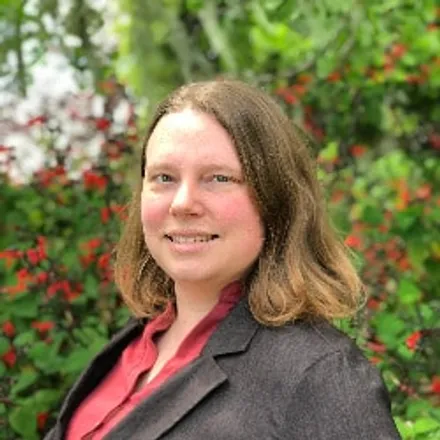
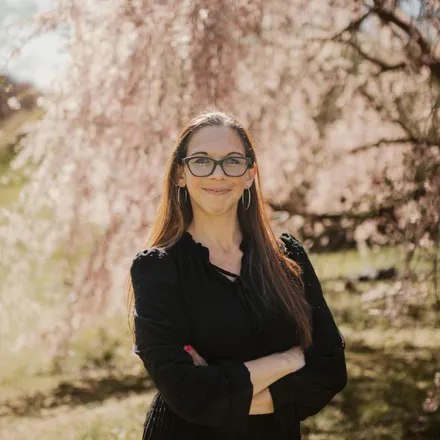
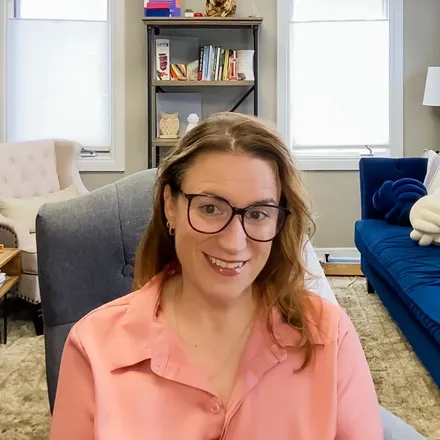
ROBYN PARKE
ROBYN PARKE
PMHNP-BC
In-Person Therapy
Accepting New Clients
Why is trauma processing important?
Trauma processing is important because difficult experiences can continue to affect how a person feels, thinks, reacts, and connects with others long after the event has passed. When trauma is not processed, it may show up as anxiety, mood changes, sleep problems, emotional overwhelm, avoidance, irritability, or feeling stuck. Trauma processing helps clients safely understand what happened, reduce the intensity of painful memories, and build healthier coping tools so they can feel more grounded, present, and in control of their lives.
I am a board-certified psychiatric nurse practitioner providing thoguhtful, personalized mental health care for adults and children navigating busy, high-demand lives. Through a blend of medication management and psychotherapy offered with our LCSW, I help patients find clarity, balance, and lasting improvement in their mental health. My approach is collaborative, evidence-based, and tailored to you - whether you're managing ADHD, anxiety, depression, sleep or mood concerns. I specialize in working with professionals, including healthcare workers, first responders, and those in the service industry who are often balancing high stress with limited time. Appointments are primarily offered via secure telehealth for convenience and privacy, with in-person visits available as needed. My goal is to create a supportive, judgement-free space where you feel heard, understood, and empowered to move forward.
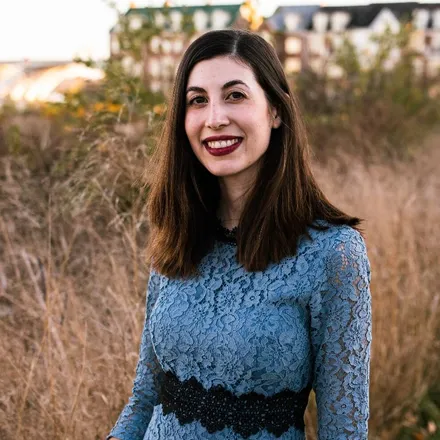
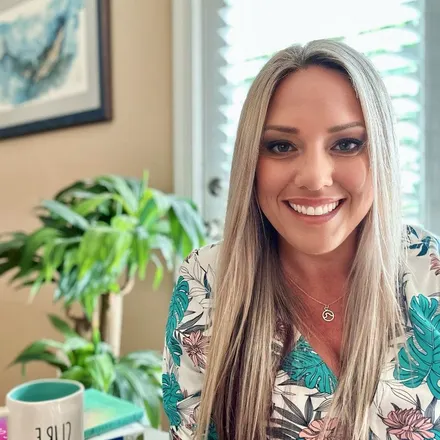
Celeste Celaya
Celeste Celaya
Licensed Professional Counselor
Online Therapy
Accepting New Clients
Why is trauma processing important?
Unprocessed trauma doesn’t just stay in the past—it often shows up in the present as anxiety, emotional numbness, overthinking, people-pleasing, or feeling stuck in patterns you don’t fully understand. Trauma processing helps your nervous system “complete” experiences that were overwhelming at the time. Instead of your body staying in a constant state of alert or shutdown, it can begin to settle and respond more flexibly to the present. A session might include talking through experiences, noticing what comes up in your body, or using structured approaches like EMDR to help your brain reprocess memories in a way that reduces their intensity. You remain in control the entire time. We move at your pace as the goal is not to overwhelm you, but to help you feel more like yourself again.
I am a Licensed Professional Counselor and board-approved supervisor in Arizona. I have over 6 years of experience in the field servicing adolescents and adults who have experienced adverse life events, life transitions, grief/loss, and low self-esteem. I currently specialize in working with women and helping professionals who are used to being the strong one and need a space where they can settle and come home to themselves. I believe that healing happens when we are seen, supported, and offered safety. This is the environment I aim to create in our work together. I am deeply passionate and honored to be in a role that allows me to guide others on their path to healing.
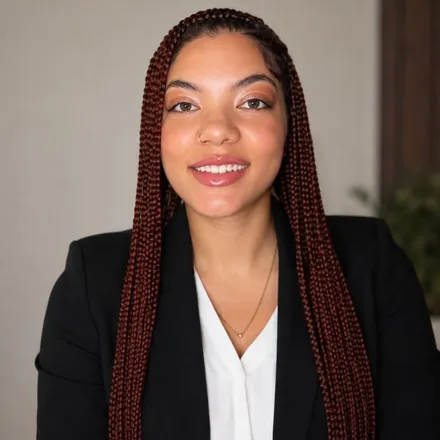
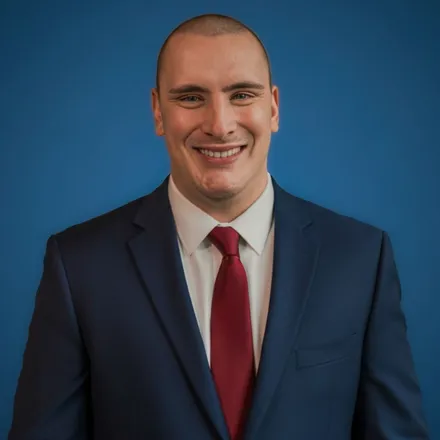
Jiji George
Jiji George
PMHNP-BC
Online & In-Person
Accepting New Clients
How do you work with clients with trauma and PTSD?
I work with clients with trauma and PTSD through a compassionate, steady, and individualized approach. I begin by creating a safe, confidential space where you can feel heard without judgment. Together, we look at how trauma may be affecting your mood, sleep, anxiety, relationships, concentration, and overall sense of safety. Because I am trained in psychiatric care and medication management, I can also assess whether symptoms such as panic, depression, nightmares, irritability, or sleep disruption may benefit from medication support. My goal is not to rush your healing, but to help you feel more stable, understood, and equipped with tools to manage symptoms while moving toward greater peace and emotional strength.
As a dual board-certified Psychiatric-Mental Health and Family Nurse Practitioner, I bring a rare and powerful combination of psychiatric and oncology expertise to my practice. With years of experience as an Oncology Nurse Practitioner, I deeply understand the emotional impact of serious medical illness — not just clinically, but personally. I provide comprehensive psychiatric evaluations and thoughtful medication management for anxiety, depression, PTSD, OCD, ADHD, mood disorders, sleep disorders, and caregiver stress. My approach is warm, confidential, and patient-centered — creating a safe space where you can feel heard, understood, and supported without judgment. I have a special focus on individuals facing cancer. Whether you are navigating chemotherapy, struggling with fear of recurrence, adjusting to survivorship, or supporting a loved one through treatment, I offer specialized psychiatric care tailored to the unique emotional challenges of cancer and caregiving.