Skip to Content

Mindfulness-Based (MBCT) Therapists in Texas

Find the right therapist in Texas for you. Each profile lists the insurances the provider takes, typical costs per session, and how to get in contact.
50+ Providers Matched
S

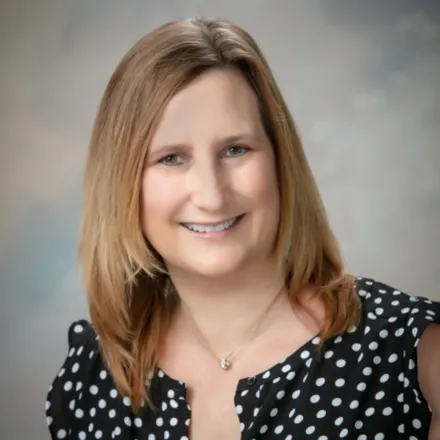
Stacy Huddleston

Licensed Clinical Social Worker / Therapist
Online & In-PersonAccepting New Clients
How does mindfulness-based therapy (MBCT) work and how can it help?
Mindfulness-based therapy (MBCT) helps by teaching clients to stay present, notice thoughts and feelings without judgment, and break cycles of rumination. By combining mindfulness practices with CBT tools, it reduces anxiety, depression, and stress while improving balance and self-awareness.
My path to becoming a therapist is deeply personal. Over the years, I have experienced grief, loss, divorce, trauma, abuse, and major life transitions in my own journey. These experiences not only shaped my understanding of suffering but also deepened my heart for walking with others who find themselves in painful or uncertain seasons. I know firsthand how overwhelming life can feel, and I also see the hope and restoration that can come through faith, healing, and connection. In addition to my personal journey, I have spent many years as a social worker in the hospice field, supporting individuals and families through end-of-life care, loss, and the grieving process. These experiences deepened my calling to create a safe and compassionate space for people in their most vulnerable moments. They also strengthened my belief that healing is possible even in seasons of sorrow, especially when we lean on faith and community. Today, as a Licensed Clinical Social Worker, I specialize in supporting individuals through grief, loss, trauma, relationship struggles, and life transitions. My approach is warm, collaborative, and faith-centered—grounded in the belief that every person is created in God’s image and deeply loved by Him. At Connect & Restore Therapy, I blend evidence-based practices with Christian values, offering a safe space where you can process your story, rediscover your strength, and move forward with clarity and peace. It is my privilege to walk alongside you, not only as a therapist but also as someone who has walked through valleys and experienced God’s grace and renewal firsthand. Together, we can lean into hope and pursue the healing and restoration God desires for your life. As Scripture reminds us, “The Lord is close to the brokenhearted and saves those who are crushed in spirit” (Psalm 34:18).
A

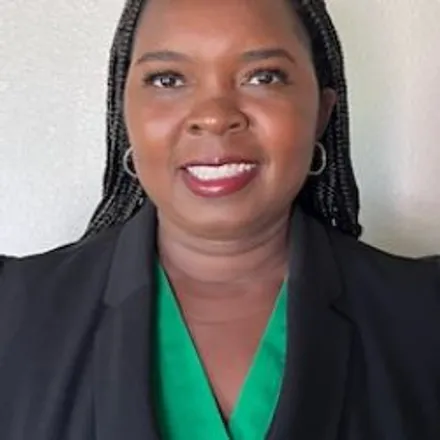
Agather Onyango

Psychiatric Mental Health Nurse Practitioner
Online & In-Person
How does mindfulness-based therapy (MBCT) work and how can it help?
Mindfulness-Based Cognitive Therapy (MBCT) combines mindfulness practices with cognitive therapy. It helps clients become more aware of their thoughts and feelings, reduces symptoms of depression and anxiety, prevents relapse, and enhances overall well-being by promoting self-awareness and emotional resilience.
I am Agather Onyango, a board-certified Psychiatric Mental Health Nurse Practitioner (PMHNP-BC). I have extensive experience in evaluating and treating a wide range of psychiatric disorders in children, adolescents, and adults. My areas of interest include mood disorders such as depression and bipolar disorders, as well as anxiety disorders like PTSD, generalized anxiety, and panic disorders, and ADHD. As a nurse practitioner, I believe that addressing mental health and well-being is just as important as addressing physical concerns. I provide holistic care, combining psychotropic medications if needed with individualized, patient-centered treatment plans developed in collaboration with other providers. I encourage and empower my patients to actively participate in their treatment process. My approach to treatment is based on empathy, respect, kindness, and understanding each patient as a unique individual. My goal is to make your journey to mental recovery as smooth and effective as possible. I am here to support you every step of the way. I look forward to working with you! *Specialties •Psychiatry *Conditions treated •ADHD •Depression •Anxiety •Schizophrenia •Substance abuse •OCD •Personality disorders •Insomnia •Trauma and PTSD •Mood disorders •Behavioral Issues •Bipolar disorders •Drug Abuse •Dual Diagnosis •Grief •Impulse Control Disorders •LGBTQ+ •Medication Management •Obsessive-Compulsive (OCD) •Oppositional Defiance (ODD) •Psychosis •Sexual Abuse •Spirituality *Treatment philosophy I believe that addressing mental health and well-being is just as important as addressing physical concerns. I am committed to providing holistic care, combining psychotropic medications if needed with an individualized, patient-centered treatment plan in collaboration with other providers. I encourage and empower my patients to actively participate in their treatment process. My approach to treatment begins with empathy, respect, kindness, and understanding each patient as a unique individual. *Treatment approach •Person-Focused •Mindfulness-Based(MBCT) •Culturally Sensitive •Christian Counseling •Interpersonal •Motivational Interviewing
E

Elizabeth Kaluanya

Psychiatric Mental Health Nurse Practitioner
Online & In-Person
How does mindfulness-based therapy (MBCT) work and how can it help?
Mindfulness-Based Cognitive Therapy (MBCT) combines cognitive therapy with mindfulness practices to enhance awareness of thoughts and feelings in the present moment. It helps clients learn mindfulness techniques, recognize negative thought patterns, and detach from unhelpful thoughts. MBCT promotes emotional regulation and includes practical exercises to integrate mindfulness into daily life. This therapy can improve emotional resilience, reduce the risk of relapse in depression, and enhance overall mental well-being, fostering a compassionate and balanced perspective on life.
Hello! I am Elizabeth Kaluanya, a board-certified Mental Health Nurse Practitioner with MSN, APRN, PMHNP-BC, FNP-C. I have more than a decade of experience working in various clinical settings as a nurse; and then seven years as a Nurse practitioner focusing on delivering a high level of care to individuals, as a Psychiatric Nurse Practitioner (PMHNP), ensuring comprehensive evaluation encounter care for my patients. Ensuring comprehensive evaluation care for my patients. I studied at the University of Houston Victoria-Sugar Land Texas, where I earned my undergraduate degree in Nursing, then obtained my graduate degree in nursing from Walden University in Minneapolis, Minnesota, and Post Masters ​certification in Psychiatry at the University of Texas Rio Grande Valley, Edinburgh, Texas. I am warm, and respect clients' and family preferences, and my care approach ensures the delivery of optimum treatment tailored to your care plan. After a thorough assessment, recommendations are based on prioritizing individual needs, using a holistic and compassionate approach to addressing the full range of patient’s needs to teens, adults, and families. Treatment focuses on using psychotherapy and medication management with maximum treatment benefits and minimal side effects while reviewing all plans with the client. I have licenses in Texas, Arizona, New Mexico, Nevada, and Washington State. *Specialties •Mental Health •Psychiatry •Adult Psychiatry Conditions treated •Depression •Anxiety •Bipolar disorders •PTSD •Eating disorders •Insomnia •Relationship issues •Family counseling •Mood disorders •Panic attacks •Substance abuse •OCD •Personality disorders •Geriatric Psychiatry •Obsessive-Compulsive •Trauma and PTSD •Antisocial Personality •Behavioral Issues •Borderline Personality (BPD) •Career Counseling •Chronic Illness •Chronic Impulsivity •Coping Skills •Emotional Disturbance •Geriatric and Seniors •LGBTQ+ •Oppositional Defiance (ODD) •Peer Relationships •Self Esteem •Stress •Women's Issues *Practice description At Lifeway, we are evidence-based practice providers, we provide holistic and compassionate care and ensure your individual goals are met. I deliver care via telepsychiatry, and through a safe approach and specialize in treating patient that are struggling with anxiety, depression, panic attacks, OCD, insomnia, bipolar, eating disorders, PTSD, and other mental health problems to adults, teens, and families. Treatment focuses on using psychotherapy and medication management with maximum treatment benefits and minimal side effects. *Treatment philosophy At Lifeway Mental Health & Wellness Care the provider is warm and respect clients and family preferences, ensuring the delivery of optimum treatment. After a thorough assessment, recommendations are based on prioritizing individual needs, using a holistic and compassionate approach to addressing the full range of patients’ needs. Our telemedicine platform prioritizes confidentiality and privacy, ensuring that patient personal information remains secure throughout their telehealth sessions. *Treatment approach •Cognitive Behavioral Therapy(CBT) •Mindfulness-Based(MBCT) •Trauma-Focused •Person-Focused •Play Therapy
C

Celina Egemasi

Psychiatric Mental Health Nurse Practitioner Open to your mental health needs.
Online Therapy
How does mindfulness-based therapy (MBCT) work and how can it help?
Cognitive behavioral therapy (CBT) and mindfulness practices are combined in mindfulness-based cognitive therapy (MBCT). It aids people in being more conscious of their thoughts and feelings, allowing them to better control and avoid relapsing into sadness and anxiety.
I'm Dr. Egemasi, a Dual Board-Certified Family and Psychiatric Nurse Practitioner. I believe in a dignified, integrative approach to healing. With over a decade of experience, I specialize in treating (but not limited to) Depression, Anxiety, Bipolar, Schizophrenia, and ADHD. My practice is marked by a commitment to individualized care, whether through traditional psychiatric medications or alternative approaches such as natural treatments, supplements, and lifestyle modifications. With a background spanning behavioral health, primary care, urgent care, emergency room, and internal medicine, I bring a comprehensive understanding to my practice. I offer extended office hours during the week, ensuring that I can meet the unique needs of my patients. I have a dedicated team focused on creating innovative, personalized treatment plans for patients of all ages. By working closely with each client, we develop tailored strategies to achieve their mental health goals. Experience the difference of a holistic, integrated, and compassionate approach to mental health care. Choose me, Dr. Egemasi, for a journey towards healing and well-being.
K

Keri Enriquez

Holistic Alternative Psychology Practitioner
Online Therapy
How does mindfulness-based therapy (MBCT) work and how can it help?
Mindfulness-Based Cognitive Therapy (MBCT) is an integrative approach that combines the principles of mindfulness meditation with cognitive therapy techniques. MBCT is designed to help people break free from patterns of negative thinking, emotional reactivity, and stress, and to foster a greater sense of awareness, acceptance, and emotional regulation. MBCT is especially effective for individuals struggling with depression, anxiety, stress, or recurring negative thought patterns. The focus is on cultivating mindfulness, or the ability to be present in the moment, without judgment, while also developing tools to manage difficult emotions and thoughts. Here’s how MBCT works and how it can help: 1. Cultivating Mindfulness Mindfulness is the practice of paying attention to your present experience—thoughts, feelings, body sensations, and environment—without judgment. In MBCT, mindfulness techniques, such as focused breathing, body scans, and meditation, are used to help you cultivate awareness in the here-and-now. These practices can help you distance yourself from the automatic negative thinking patterns that often lead to emotional distress. By learning to observe your thoughts and feelings without getting caught up in them, you begin to see them as temporary experiences rather than facts. This helps reduce the power of negative thinking that can contribute to anxiety or depression. 2. Identifying and Challenging Negative Thought Patterns In MBCT, we explore how habitual patterns of thinking—like rumination or catastrophizing—contribute to emotional distress. For example, when someone with depression experiences negative thoughts, they may get stuck in a loop, continually thinking that "nothing will ever get better." MBCT helps you recognize these automatic thought patterns and offers tools to challenge them. By combining mindfulness with cognitive therapy techniques, MBCT teaches you how to: Notice when you're getting stuck in negative thought patterns Create space between you and your thoughts Reframe these thoughts in a more realistic, compassionate way The goal is to break the cycle of negative thinking and develop healthier ways of interpreting your experiences. 3. Increasing Emotional Awareness and Regulation Many of us are unaware of our emotional responses until they’ve already taken hold, leading to reactive behaviors like lashing out or withdrawing. MBCT helps increase emotional awareness, which allows you to pause and observe your emotional reactions before you act on them. This space provides an opportunity to make more thoughtful, intentional choices rather than being swept away by strong emotions. The practice of mindfulness allows you to stay present with difficult emotions, such as sadness, anger, or fear, without judgment. Over time, you’ll build resilience and learn that you don’t have to be overwhelmed by emotions—they can be observed, processed, and released. 4. Reducing Stress and Improving Coping Skills Chronic stress is often tied to persistent worry, anxiety, and negative thinking. MBCT helps you develop better coping skills by teaching you how to approach stress in a mindful, balanced way. Instead of avoiding stressors or reacting impulsively, you’ll learn to face them with a calm, present mindset. Mindfulness also reduces the body’s physical stress response, helping you manage symptoms like tension, fatigue, or poor sleep. This allows you to approach life’s challenges with greater clarity and calm. 5. Preventing Relapse in Depression and Anxiety One of the most powerful benefits of MBCT is its ability to prevent relapse in people who have experienced recurrent episodes of depression or anxiety. MBCT teaches you how to notice early warning signs—such as negative thinking patterns or shifts in mood—before they escalate into a full-blown episode. By becoming more aware of your mental and emotional state, you can intervene earlier, using mindfulness and cognitive strategies to stop the cycle before it becomes overwhelming. This prevention approach is especially effective for individuals who have experienced multiple episodes of depression or anxiety. 6. Fostering Acceptance and Self-Compassion Mindfulness teaches acceptance—not resignation or passivity, but the ability to acknowledge your current experience without judgment or resistance. Often, we are our harshest critics, and this self-criticism can worsen feelings of inadequacy or frustration. Through MBCT, you’ll cultivate self-compassion, which allows you to treat yourself with kindness and understanding when things go wrong. Instead of reacting with frustration or self-blame, you’ll learn to be gentle with yourself and accept your human imperfections. 7. Improving Overall Well-Being MBCT has been shown to improve mental well-being by increasing present-moment awareness, emotional regulation, and resilience. With time and practice, you’ll experience greater peace, clarity, and balance in your daily life. This shift can lead to improved relationships, enhanced creativity, and an increased sense of meaning and fulfillment. How MBCT Can Help: Reduce Symptoms of Depression and Anxiety: By breaking the cycle of negative thinking, MBCT can alleviate symptoms of depression and anxiety and reduce the likelihood of relapse. Improve Emotional Regulation: Mindfulness practices help you stay present with emotions without becoming overwhelmed, leading to greater emotional resilience and regulation. Increase Self-Awareness: MBCT increases your ability to recognize and understand your thoughts, feelings, and physical sensations, promoting greater insight and self-compassion. Enhance Stress Management: By reducing the physiological stress response and cultivating mindfulness, you can manage stress more effectively and prevent it from negatively impacting your life. Develop Healthier Thought Patterns: MBCT helps you identify and challenge negative thought patterns, leading to healthier, more balanced thinking and improved self-esteem. Mindfulness-Based Cognitive Therapy is a powerful tool for anyone looking to break free from the grip of negative thoughts, emotional reactivity, and stress. Whether you’re struggling with depression, anxiety, or simply seeking to improve your mental health and well-being, MBCT offers practical tools to create lasting change in your life.
I’m Keri, a holistic practitioner dedicated to supporting your journey toward balance, wellness, and a deeper connection with yourself. Whether you're navigating stress, chronic discomfort, emotional blocks, or simply seeking a more grounded and aligned life, I’m here to help you heal from the inside out. My approach combines mind, body, and spirit—offering personalized care that honors your unique story. Through [modalities you offer—e.g., Reiki, herbal medicine, intuitive guidance, bodywork], I hold a space where transformation can gently unfold. If you're ready to feel more empowered, centered, and vibrant, I invite you to explore how we can work together. Your healing begins here.
C

Caitlin Hill

Passionate counselor experienced working with trauma, anxiety and depression.
Online Therapy
Hello! I'm Caitlin Hill, your dedicated Licensed Professional Counselor (LPC) with a passion for empowering individuals and families to overcome life's challenges. With a Master's degree in Clinical Mental Health Counseling from The Chicago School of Professional Psychology and a rich background in psychology from Kent State University, I bring a wealth of knowledge and compassionate care to my practice. My journey began in the military where I served as an active-duty officer, honing my leadership skills and learning the value of resilience. This experience has been instrumental in understanding the unique needs of military families, which I've addressed in professional conferences, highlighting virtual interventions for postpartum depression and anxiety among military spouses. I specialize in supporting adults with severe mental illnesses and co-occurring disorders. My approach is collaborative and tailored to each individual, utilizing evidence-based techniques like Cognitive Behavioral Therapy, EMDR and Solution-Focused Therapy. Whether you're a veteran seeking support or anyone looking to build healthier coping strategies, I'm here to guide you through your journey with empathy and expertise. Outside the counseling room, I have trained in EMDR therapy as well as Level 2 Natural Lifemanship for Equine Assisted Psychotherapy – because sometimes healing goes beyond traditional methods. Let's connect and start crafting your path to wellness together. Your story matters, and I'm here to listen.