Skip to Content
Therapists answer…

How do you work with clients with trauma and PTSD?

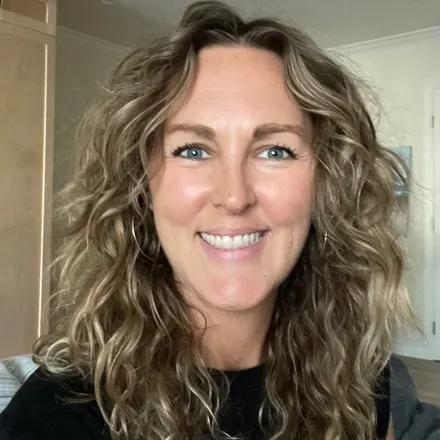
Jennie DenneyJ

Jennie Denney

AMFT
Online & In-Person
How do you work with clients with trauma and PTSD?
When I work with clients navigating trauma or PTSD, my first priority is creating a sense of emotional safety. Trauma often lives in the body and nervous system, not just in memory—so we move slowly, with care, and always at your pace. I use a trauma-informed, attachment-based lens to help you feel more grounded in the present while gently exploring what’s been overwhelming or unresolved in the past. One of the primary tools I use is EMDR (Eye Movement Desensitization and Reprocessing), a research-backed method that helps your brain reprocess traumatic experiences so they no longer feel as raw, triggering, or intrusive. EMDR doesn’t require you to retell every detail—instead, it allows your brain and body to do the healing work in a structured, contained way. I may also integrate parts work (like Internal Family Systems), somatic awareness, and relational processing depending on your needs. My goal is never to push you into the trauma, but to walk with you through it—helping you make sense of what happened, reconnect with your inner strength, and reclaim a sense of safety and wholeness.
Hi, I’m Jennie Denney, an Associate Marriage and Family Therapist passionate about helping individuals, teens, couples, and families navigate the hard stuff—like self-harm, identity challenges, religious trauma, and relationship ruptures. My approach is trauma-informed and deeply rooted in attachment work, and I use integrative methods like EMDR, IFS, and EFT to support lasting change. I believe therapy should feel safe, collaborative, and grounded in real connection. I'm here to help you feel seen, supported, and empowered to grow.
Spotted Rabbit Studio .S

Spotted Rabbit Studio .

Licensed Creative Arts Therapist
Online & In-Person
What is your experience with clients with trauma or abuse?
The vast majority of individuals who come to therapy have a history of trauma, although most don't realize it. While some folks grew up in obviously abusive households, others grew up with families who were well intentioned but lacked true emotional connection with each other. As a result, adults who have experienced childhood emotional neglect often struggle to be their authentic self and to allow themselves to feel and validate their emotional experiences. People pleasing is a common trait, as is rebelling against rules and authority as they never really got their needs met growing up and aren't really sure how to do so now as an adult. Spotted Rabbit Studio sees that every client's current beliefs and behaviors are not only a response to their previous life experiences, but attempts to protect themselves emotionally and/or get their needs met. Our therapists will assist you in identifying your traumatic triggers, and help you understand how trauma has changed your brain functioning so you can stop trying to fight yourself to act differently. We encourage emotional acceptance and validation, while creating opportunities to practice different ways of acting on these emotions so that they don't negatively impact your life. Additionally, we spend time strengthening your sense of self and taking action toward your own personal values so that you are living a life full of meaning and purpose.
We all want to love, be loved, do something meaningful, and have purpose in our lives, yet all too often prior relationships and life experiences have left us with coping skills that are unhealthy, ineffective or just downright baffling. As a practice, Spotted Rabbit Studio specializes in working with adults who have a history of childhood emotional abuse and/or neglect. Those we work with often find that they have difficulty with relationships, struggle to relax, and wish they were in more control of their lives. For clients with disordered eating, we work from a HAES and intuitive eating approach. Additionally, several of our therapists are LGBTQIA+ and we work with clients to explore and develop their gender and sexual identity. We also specialize in teens and adults with neurodivergence (autism, ADHD, OCD). Some of our therapists are in network with Cigna and MVP commercial plans. We offer sessions in-person at our Studios in Brighton and Pittsford NY, or online.
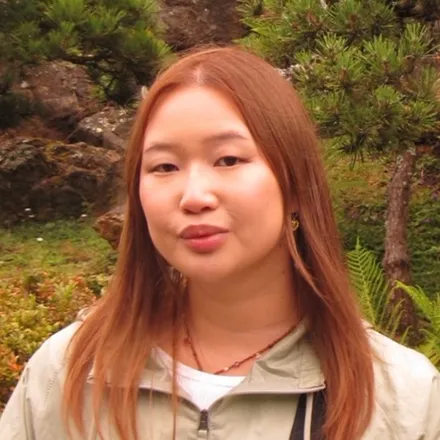
Aishwarya RajuA

Aishwarya Raju

DO
Online & In-Person
How do you work with clients with trauma and PTSD?
Working with clients who have experienced trauma and PTSD requires a sensitive and trauma-informed approach. Establishing a safe and trusting therapeutic environment is paramount. I begin by conducting a comprehensive assessment to understand the specific traumas, triggers, and symptoms they are experiencing. This assessment helps inform the treatment plan. I employ evidence-based techniques such as trauma-focused cognitive-behavioral therapy (TF-CBT) or Eye Movement Desensitization and Reprocessing (EMDR) to address the underlying trauma. These approaches help clients process and reframe traumatic experiences in a supportive and controlled setting. Additionally, grounding and mindfulness exercises are incorporated to help clients regulate their emotions and manage distressing symptoms. Psychoeducation about trauma and its effects, as well as coping skills for managing triggers, are provided. It's important to approach the work at the client's pace, allowing them to reclaim a sense of control and autonomy over their own healing journey. Regular check-ins, ongoing support, and flexibility in the treatment approach are crucial for ensuring the client feels heard, validated, and empowered on their path towards healing and recovery.
I treat various patients, including ages 5 and up, and all socioeconomic ranges. I aim to provide my patients with whatever they need through our outpatient programs. I embrace a holistic approach to the care I provide to my patients.
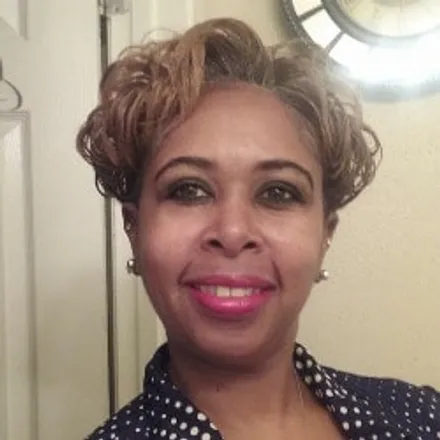
Aida DabreoA

Aida Dabreo

Psychiatric Mental Health Nurse Practitioner
Online Therapy
How do you work with clients with trauma and PTSD?
When working with clients who have experienced trauma or PTSD, I prioritize providing a safe and supportive environment. I prioritize building trust and rapport with clients, as well as educating them about their symptoms and reactions. We work together to develop coping skills and resilience so that we can successfully navigate triggers. My approach combines compassion, patience, and empowerment to assist clients in their healing journey towards well-being, regardless of the obstacles they face.
Hello, I'm Aida, your compassionate guide to mental wellness. Offering a range of services including diagnosis, medication management, talk therapy, and CBT, I center my approach around your unique needs and preferences. With a deep understanding of mental health complexities, I strive to create a safe, supportive environment where you feel valued, heard, and empowered. I believe in forming genuine connections, recognizing and respecting your individual experiences and challenges. Through collaboration and a holistic approach, I develop personalized treatment plans tailored to your diverse needs, fostering trust and promoting positive outcomes. My communication style is warm, non-judgmental, and solution-oriented. Dedicated to delivering empathetic, patient-centered care, I believe in the profound impact of compassion on mental health. I'm honored to walk alongside you on your healing journey, establishing a sincere connection every step of the way.
Ana Alicia PotthastA

Ana Alicia Potthast

DSW, LCSW, LCDC
Online Therapy
How do you work with clients with trauma and PTSD?
I let them tell me about their trauma and assure them it is a safe space, and we don’t have to discuss certain things until they are ready. I never want my clients to feel unsafe. I want them to know I appreciate them entrusting me with their most vulnerable moments. I assure them that they are safe now. 
Hi there! My name is Dr. Ana Alicia Potthast, and I am a Licensed Clinical Social Worker and Licensed Chemical Dependency Counselor with extensive experience and training in behavioral health, diagnostics, addiction, co-occurring disorders, depression, anxiety, personality disorders, trauma, domestic violence, sexual abuse and assault, maternity and fertility issues, grief and loss, hoarding, family dynamics and conflict, marital issues, sexual orientation and gender identification and expression, adjustment issues, stages in life, and many other situations that bring a client to seek counseling. I provide a collaborative and open approach therapeutic style, without any judgment to each client's unique situation. I am trained in Cognitive Behavioral Therapy, Dialectical Behavioral Therapy, Family Systems Therapy, Interpersonal Psychotherapy, Acceptance and Commitment Therapy, and Psychodynamic Therapy. I have a passion for assisting client's to reach their full potential and treatment goals. I obtained an Associate of Applied Science in American Sign Language from San Antonio College in San Antonio, TX, and then graduated with a Bachelor and Master of Social Work from Texas State University in San Marcos, TX, before obtaining a Doctor of Social Work from the University of Southern California in Los Angeles, California. I am an affirming ally for LGBTQIA clients, and this is a Safe Space. I am presently on the Board of Directors for Fiesta Youth, a member of PFLAG San Antonio, a Federal Club member for the Human Rights Campaign, and a former Steering Committee member for the Human Rights Campaign San Antonio. I was the first recipient of the Pride Center San Antonio Community Circle Award for my volunteer work in the community. Additionally, I work in the medical field, and I have extensive court room testimony experience regarding recommendations for contested custody situations and child welfare situations. I also have a passion for working along-side clients who are living with addiction, and the trauma and hardships they experience as they navigate towards a life of sobriety. I am a wife and mother, and I enjoy hobbies of going to concerts, volunteer work, geocaching, American Sign Language, watching documentaries, dancing, and spending time with family, friends, and my many pets.
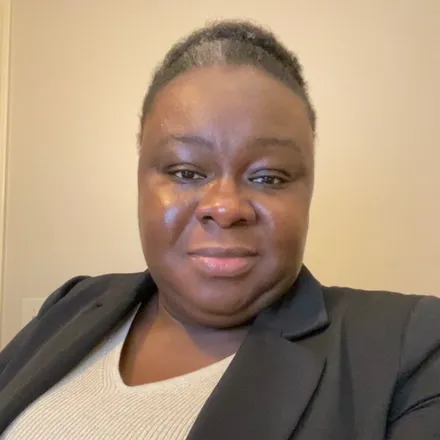
Nonye Rosemary EnejeN

Nonye Rosemary Eneje

DNP, FNP-BC, PMHNP-BC
Online & In-Person
How do you work with clients with trauma and PTSD?
Recovery from PTSD typically requires medications like antidepressants and/or anti-anxiety drugs combined with psychotherapy. Suppressing the memories doesn’t help you get over PTSD; in fact, it’s likely to make it worse. Your provider enables you to open up about the experience so your mind can process the trauma properly. You also learn ways to reduce the effect of unwanted thoughts and negative emotions so you can cope better in daily life. I offer a comforting, safe environment where you can discuss your symptoms confidentially without any judgment.
I'm a doctoral prepared, licensed, and dual board-certified family nurse practitioner and psychiatric mental health nurse practitioner. I received my Doctor of Nursing Practice and Post Masters Certification in Psychiatric Mental Healthcare from Brandman University, Irvine California. I received Master of Science as a Family Nurse Practitioner and Bachelor of Science in nursing from Tennessee State University, Nashville TN. I have over 18 years of work experience in the medical field and has worked in diverse positions. I have acquired extensive background in telepsychiatry, inpatient and outpatient mental health patients. Mental health disorders addressed include but not limited to Anxiety, Depression, PTSD, Bipolar and Insomnia. I am certified to work with all ages, however choses to focus on clients ages 15 and 68. I enjoy working with adolescents, adults, and the elderly population. My notable competencies includes the ability to understand the patients’ complex needs, interprofessional collaboration, systems thinking, and clinical judgment. I adhere to nursing values, ethics, standards, and laws when providing holistic and patient-centered care. I am patient driven, family centered, and compassionate care is my basis for treatment plans that include psychotherapy and medication management for best patient outcome. My primary practice goal is to provide evidence-based, holistic care by combining psychopharmacology with supportive psychotherapy to enhance each individual’s mental, physical, and emotional state of well-being. I value collaborative relationships and enjoy tailoring care by taking into account one’s unique identities, background, and environment. Patients describe me as caring, experienced, attentive, and goal oriented in my approach. My ability to encourage, good-naturedly communicate and explain key elements of a successful treatment plan makes my services exceptional.