Skip to Content
Therapists answer…

How do you work with clients with trauma and PTSD?

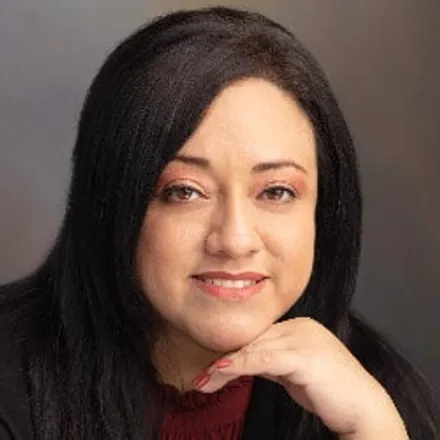
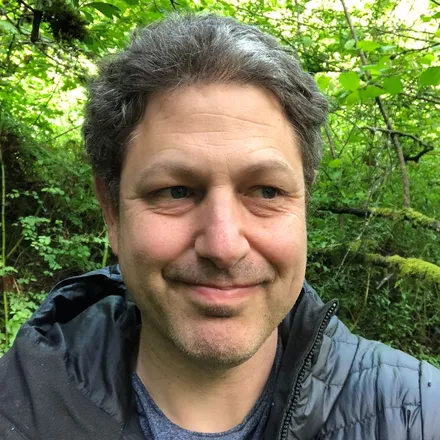
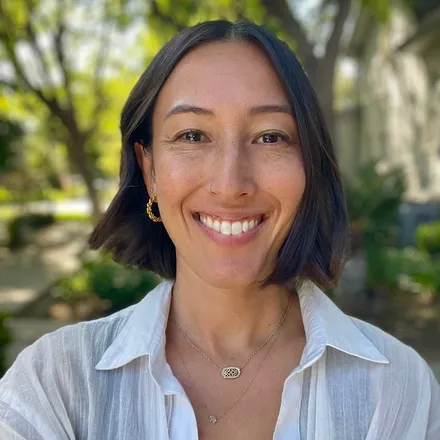
Allyson ByersA

Allyson Byers

Associate Marriage and Family Therapist
Online Therapy
What's your experience with clients with trauma or abuse?
Two people can go through the same traumatic experience and react or cope with it differently depending on their previous life experiences. Some people may not consider it a trauma while others. This doesn’t mean that one person is stronger than the other. If something hurts you, it hurts, and your natural emotional reaction is valid. No one gets to define your trauma for you—not even a therapist. I specialize in medical trauma, which includes being dismissed by medical and mental health professionals, interacting with fatphobic medical and mental health professionals, undergoing surgery, having cancer, giving birth, and living with a chronic illness or chronic pain. You are the only one who gets to decide if you’ve experienced medical trauma. I also specialize in relational and attachment trauma, which is a trauma that has occurred within a close relationship. This can happen with anyone you loved, trusted, and/or relied on, either as a child or adult. Finally, I specialize in complex trauma, including those diagnosed with Borderline Personality Disorder. Complex trauma is not always the result of childhood trauma. It can also occur as a result of an adult’s experience of violence in the home, family, neighborhood, and workplace. If you have experienced complex trauma, you may experience feelings of worthlessness and shame, difficulty in connecting with yourself and others, and difficulty in managing your emotions. You may feel like you don’t know who you are and that you can’t trust yourself or the world around you.
Are you experiencing grief and loss? Are you navigating health challenges, chronic illness, and/or chronic pain? Do you have parts of yourself that are difficult to share with others? Have you experienced medical or relational/attachment trauma? You've come to the right place. I believe that therapy can be a reparative experience and that the relationship between a therapist and client has the ability to foster immense change and growth. Everyone deserves to have a life worth living, and I am here to help you get there. I specialize in grief and loss, chronic illness/chronic pain, trauma, and depression. I enjoy working with clients who are experiencing a non-death loss (the ending of a platonic or romantic relationship, a new health diagnosis, infertility, etc.). I also love working with individuals who have Borderline Personality Disorder and complex trauma. As someone who is neurodivergent and queer and has multiple chronic illnesses, I draw from both my professional and lived experiences. I am an active therapist in the room, which means I like to provide psychoeducation when appropriate and gently challenge you to see things from a different perspective or dig deeper. I also frequently utilize humor because therapy doesn’t have to always be so serious.
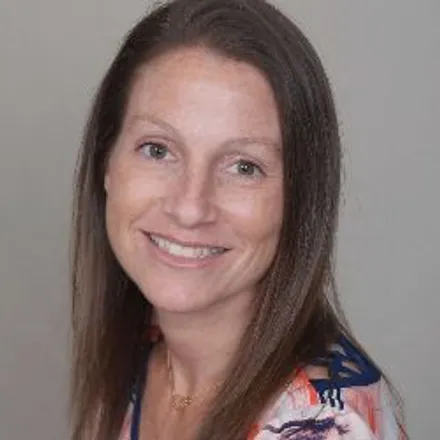
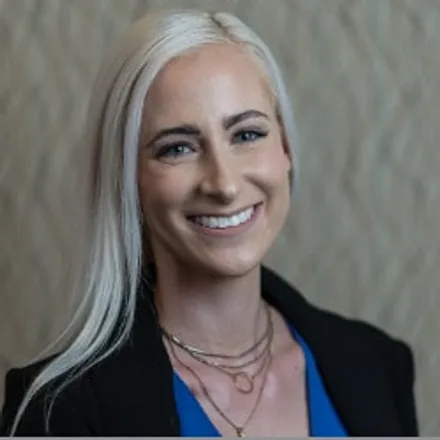
Christy GarciaC

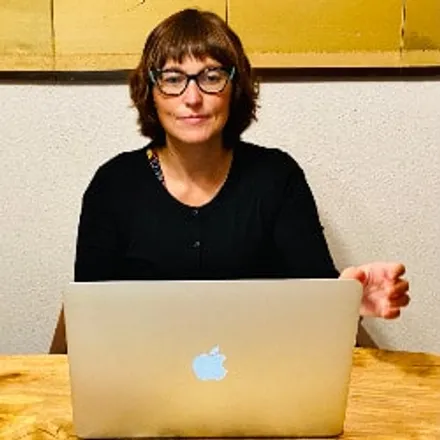
Christy Garcia

Licensed Marriage & Family Therapist
Online & In-Person
Why is trauma processing important?
Trauma can be very difficult to move past. Often it get stuck, not only in our memories and emotions, but also in the body. There can be times when a person has a physiological reaction, such as a panic attack, that seemingly comes out of nowhere. This can leave a person feeling helpless and powerless to control their circumstances. These symptoms can interfere for normal functioning or relationships. This is why it's important to face traumatic events and learn about how trauma affects not only the mind (memories, emotions and thoughts), but also the body. Dealing with trauma can feel like a daunting task. I don't treat this issue lightly. I don't force clients to dive into their trauma when they're not ready. Rather, I educate my clients about what trauma is, how it affects someone, why it causes people to suffer in the way that it does and what they can do about it. Then, once you've developed some coping skills to manage the distressing feelings and reactions, you will feel more confident processing the traumatic memories in an appropriate way.
I work with adult survivors of early childhood trauma. I also work with people who suffer from generalized anxiety such as over-thinking and inability to control worry. Lastly I help people who are dealing with mild to moderate depression and have experienced grief and loss, low self-esteem, or lack of motivation.
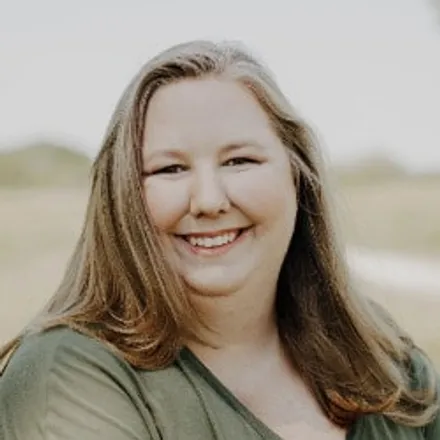
Lee ScherL

Lee Scher

LPC
Online & In-Person
How do you work with clients with trauma and PTSD?
What does help look like: 1. Helping you sort through the feelings that come up in relationship- when are feelings or the intensity of feelings more about past experiences, and what part of your feelings are telling you something about the present. 2. Helping you sort out when it's a good idea to talk with your partner and when you need a break because you may be in a traumatic state (fight, flight, freeze, fawn). In these survival states, it's very difficult to think, feel, or connect with another person. 3. Supporting you in setting boundaries, saying no, and asking for what you want in relationship. These things can feel overwhelming or unsafe for people with relational trauma. 4. Helping you sort through and process past experiences, seeing them from your present adult point of view but also allowing yourself to remember what it felt like when you were young. Sorting through past traumatic experiences while staying regulated and still able to manage your life can be a difficult balance but it is possible. 5. Once you've processed grief and hurt from the past, you'll find yourself with more capacity to be open to your present, and create the life you want.
I'm a licensed professional counselor. My practice is focused on working with clients with childhood relational trauma, and neurodivergent people, (people with adhd, autistic and bipolar neurotypes. The core of the way I work is creating a safe space where you can explore your whole experience as a person. Creating a more enjoyable, sustainable life for yourself may mean deepening self-acceptance and self-understanding, practicing boundaries and advocating for yourself in relationships, exploring your values or finding your way through a difficult transition.
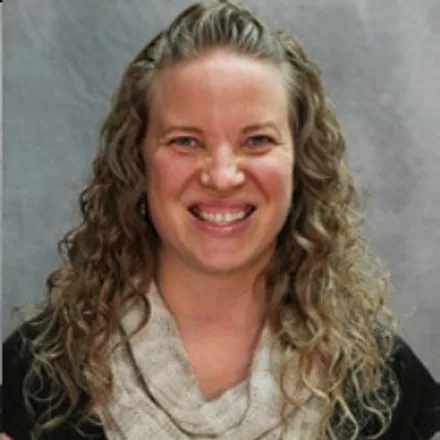
Leah KaylorL

Leah Kaylor

Leah Kaylor, Ph.D.
Online Therapy
Why is trauma processing important?
Not fully processing trauma can interfere with daily functioning in a variety of different ways (e.g., inability to focus, feeling on edge, nightmares). After working through trauma in therapy, many people find that their lives improve dramatically in a multitude of ways (e.g., work performance, relationships, ability to be present).
Do you feel like something is off, but can’t put your finger on it? Do you feel like you could be performing better, but don’t know what is standing in your way? Is something going on with your child and you want to help them excel? Do you want to gain a better overall understanding of yourself and how your brain processes information? You can learn the answers to these questions and more with a highly customized psychological assessment. During the free consultation, you will have an opportunity to discuss your concerns with Dr. Kaylor, so she can prepare customized tests to target your specific questions: calendly.com/drleahkaylor Dr. Kaylor specializes in the assessment and diagnosis of learning, memory, and attention issues in children and adults. Dr. Kaylor will select the tests that are best suited to assess your unique concerns. She will continue to add as many tests as necessary to find the answers to your questions. Dr. Kaylor solely works on your case (no students or techs). Dr. Kaylor will select your test battery, administer, score, and interpret the results, write a comprehensive report with tailored recommendations, and conduct the feedback session. The assessment will be based on the most up-to-date research and tools available. Dr. Kaylor wants you to walk away from the evaluation process with all your questions answered. Want to work with me, but afraid you aren’t within driving distance? No problem, I am licensed to practice tele-assessment in 27 states and the District of Columbia. Please visit calendly.com/drleahkaylor to book a no-cost consultation.
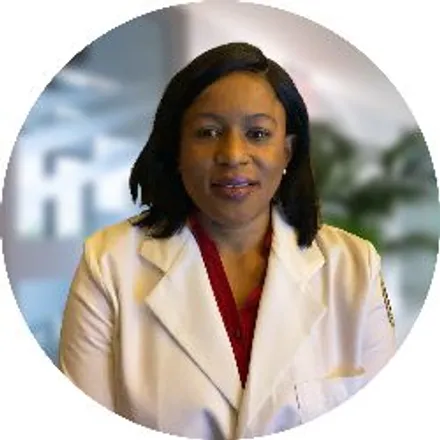
Rebecca AdeyoolaR

Rebecca Adeyoola

PMHNP-BC
Online Therapy
How do you work with clients with trauma and PTSD?
When working with clients who have experienced trauma or are dealing with PTSD, my first priority is to create a safe, trusting, and non-judgmental environment. I understand that trauma can deeply affect every aspect of a person’s life, so I approach each client with patience, empathy, and respect for their unique experiences.
"Hello! I'm Rebecca O. Adeyoola, a dedicated Registered Nurse based in Baltimore, MD. With years of experience in various healthcare settings, I specialize in psychiatric care, restorative care, and acute care. Currently, I work at Sheppard Pratt in Towson, offering compassionate support to individuals in need of psychiatric care. From conducting intake evaluations to managing treatment plans, my focus is always on providing the best possible care and education to my patients. I also serve as a Restorative Care Coordinator at the U.S. Department of Veterans Affairs, where I lead a team dedicated to helping our veterans achieve better health. My role involves coordinating care plans, educating patients, and ensuring safety and quality in everything we do. Previously, I worked at Sinai Hospital in Baltimore, where I honed my skills in critical care, infection control, and patient education. Whether it's administering medication, assisting with daily activities, or providing one-on-one care, I am committed to making a difference in my patients' lives. Outside of my professional roles, I am passionate about promoting overall health and wellness. I believe in the power of education and strive to help my patients understand their conditions and the best ways to manage them. Let's work together on your journey to better health and well-being. Feel free to reach out to me; I'm here to help!"
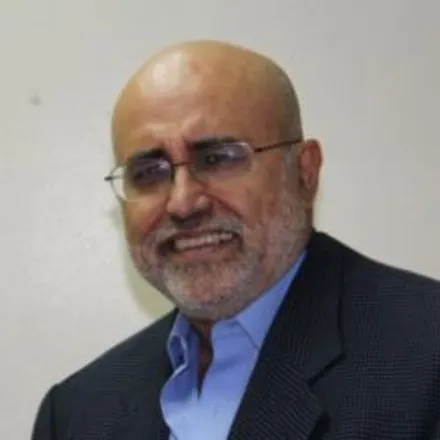
Dr. Jose CabiyaD

Dr. Jose Cabiya

Psychologist, PhD
Online Therapy
How do you work with clients with trauma and PTSD?
Trauma comes in many forms. Left unprocessed, it can cause long-term suffering. It can be difficult to seek treatment for trauma. Online trauma therapy requires a deep level of trust and vulnerability. Sharing personal experiences and emotions with a therapist can be daunting, particularly if trust has been broken in the past. Building trust and establishing a strong therapeutic rapport are essential to our work. I am highly trained in working with PTSD and trauma, and I navigate sessions with empathy and respect to avoid retraumatization. You don't have to face your trauma alone. We can walk together while cultivating resiliency and working towards healing.
Welcome! I'm a dedicated clinical psychologist with a deep commitment to supporting the mental health and well-being of diverse communities. My journey in psychology began at the State University of New York, where I earned my Ph.D. in Clinical Psychology in 1983. With a heart for service, I spent valuable time working as psychologist in diverse outpatient settings, where I provided psychological evaluations, individual psychotherapy, and group therapy sessions, focusing on the needs of low-income Latino patients. These experience allowed me to develop a compassionate approach and an understanding of the unique challenges faced by underserved populations. In addition to my clinical work, I've also held leadership roles at Hispanic-American Center in Albany, NY and Albizu University in SJU, PR. I also have a passion for education and knowledge sharing, which led me to serve as a Psychology Professor. Teaching has enabled me to stay at the forefront of psychological research and best practices, which I bring into my therapeutic sessions. My approach is warm, empathetic, and patient-centered. I believe in creating a safe space where you can feel heard and understood. Whether you're dealing with life's challenges or seeking personal growth, I'm here to support you on your healing journey. Let's work together to unlock your full potential