Skip to Content
Therapists answer…

How do you work with clients with trauma and PTSD?

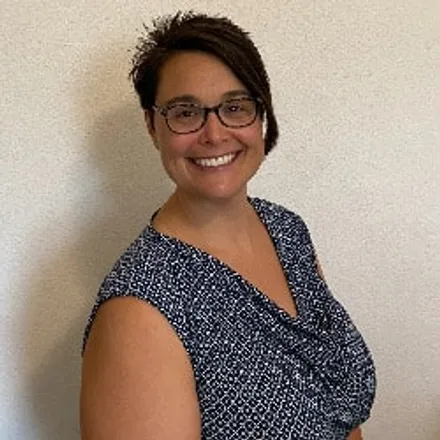
Amanda TrostA

Amanda Trost

Licensed Professional Counselor
Online & In-Person
Why is trauma processing important?
Childhood trauma occurs when we experience or witness negative events we aren’t prepared for or don’t have support in recovering from. This might look like physical, sexual, or emotional abuse, neglect, substance abuse by a parent or other adult, witnessing violence or abuse toward someone else in the home, or not having our basic physical and emotional needs met. Growing up with trauma or toxic family dynamics makes us more likely to experience stress and anxiety later in our lives. Survivors of such situations are more likely to suffer from chronic illnesses, have difficulty with attention spans, struggle with academic or professional performance, and have difficulty coping with stress. There is a ton of healing that is done just by telling our story. Often we see symptoms reduce significantly after getting it off our chests. Realizing you’re not alone also helps, and knowing that others who have experienced what you have experienced have healed lets us know it can be done. Working to process trauma includes looking at the common effects, relationship dynamics, and behavioral patterns we often see in those that have undergone trauma. We work to realize it's not what's wrong with you, but what happened to you. In addition, processing trauma includes identifying and interrupting triggers and planning a course of action to set new patterns and behaviors in place.
Now scheduling in person and telehealth sessions. Help is available for symptoms of anxiety and depression, working through past trauma, managing perfectionism, improving communication with others, relationship concerns, navigating workplace dynamics and more. We specialize in complex trauma/CPTSD.
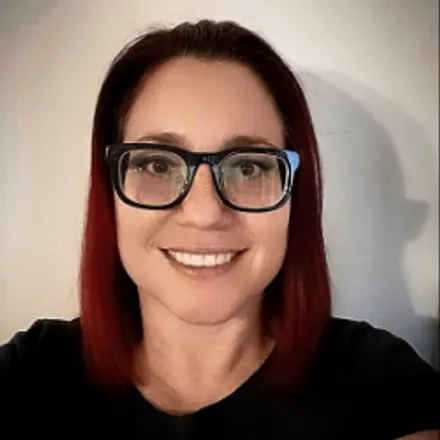
Mckenna PaddockM

Mckenna Paddock

Licensed Clinical Mental Health Associate
Online Therapy
How do you work with clients with trauma and PTSD?
Trauma can show up in countless ways, impacting our minds, bodies, and overall lives. With ten years of experience working with individuals affected by various forms of trauma, including PTSD and Complex-PTSD, I take a trauma-informed approach that prioritizes harm reduction. I personalize my approach for each person, but I’ve found that combining trauma-informed somatic experiencing, Internal Family Systems interventions, and creative arts can be particularly effective in supporting healing.
I’m so glad you’ve found your way here! You can call me Mckenna or Kenna (they/them). I identify as Queer, neurodivergent, a “spoonie”, and was raised on the unceded land of the Duwamish people, now known as Seattle. As an ally to those with marginalized identities, I’m grounded in the belief that our collective liberation is interconnected. I recognize how structural harms shape our experiences and healing journeys, and I’m committed to creating an inclusive, gender-affirming, sex-positive space rooted in Health at Every Size, and beyond. My work blends Liberation Psychology and Feminist Theory, striving to be authentic, anti-racist, and anti-oppressive. I hold a MA from Antioch University Seattle, trained in Clinical Mental Health Counseling and Art Therapy and am currently accepting new clients at Playful Minds Counseling. I have experience providing LGBTQIA2S+ and neurodivergent-affirming care to teens and young adults navigating their sexual orientation and gender exploration, life transitions, family dynamics (particularly for children of immigrants and third culture individuals), disability & chronic illness, trauma/PTSD/C-PTSD, and suicidal ideation. I believe in the healing power of the creative arts and will introduce you to art therapy. Whether or not we incorporate art in our work together, creativity can show up in many ways, and I look forward to exploring that with you.
View Profile
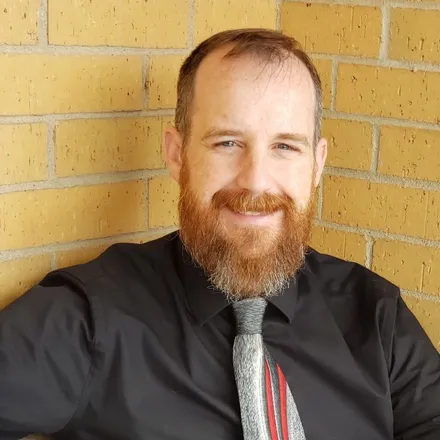
Jennifer GarciaJ

Jennifer Garcia

Licensed Mental Health Therapist
Online Therapy
How do you work with clients with trauma and PTSD?
How I Work with Clients with Trauma and PTSD When working with trauma and PTSD, my primary focus is creating a safe, supportive environment where you feel in control of your healing process. Trauma impacts the brain and body in ways that can make daily life feel overwhelming, but therapy can help you regain a sense of stability, process painful memories, and build resilience.  What Help Looks Like I use evidence-based approaches tailored to your needs, including: • Trauma-Informed Therapy: Ensuring that sessions feel safe and empowering rather than re-traumatizing. • Somatic Awareness & Regulation: Helping you recognize and manage the ways trauma affects your body (e.g., anxiety, hypervigilance, dissociation). • Cognitive Processing & Reframing: Identifying unhelpful thoughts and beliefs shaped by trauma and replacing them with healthier perspectives. •  EMDR (if applicable) or Exposure Therapy: Gradual, guided processing of traumatic memories in a way that reduces their emotional intensity. • Building Coping Strategies: Developing tools to manage triggers, flashbacks, and emotional distress in a way that allows you to function more freely in daily life. What Clients Should Know • You Are in Control: We move at your pace—there’s no pressure to share more than you’re ready for. •  Healing Takes Time: Trauma work can be difficult, but it leads to real, lasting change. Small steps matter. • You Are Not Alone: PTSD and trauma responses are normal reactions to overwhelming experiences. Therapy helps you understand and reshape these responses so they no longer control you. The goal of trauma therapy isn’t just to “talk about” the past—it’s to help you feel safer in your own mind and body so you can move forward with strength and confidence.
As a licensed trauma therapist, I am dedicated to helping you navigate the challenges of trauma, anxiety, and emotional distress. My goal is to create a safe and supportive space where we can work together to understand and rewire trauma responses that may be holding you back. By integrating evidence-based techniques, I help clients build resilience, improve emotional regulation, and develop healthier coping mechanisms. Through our work, you can expect to gain deeper self-awareness, enhance your ability to manage stress, and improve your relationships and overall well-being. I am committed to supporting your journey toward healing, empowering you to shift unhelpful thought patterns, and maximizing your personal and professional growth. You don’t have to navigate this alone—together, we can create meaningful and lasting change in your life.