How do you work with clients with trauma and PTSD?
Working with trauma and PTSD is my specialty. I move away from traditional talk therapy and work with my clients from a bottom-up, embodied approach. I utilize Somatic therapies, parts work, and attachment repatterning to address both the nervous system and the attachment system. Both systems typically are negatively impacted by trauma. By bringing in a focus on the therapeutic relationship and opening awareness to what is happening in the body (sensations, emotions, impulses, images, thoughts), we are able to target the stuck points that keep people in their trauma vortex all while staying within one's window of tolerance. This is a gentle approach that allows my clients to move through their trauma experiences without reexperiencing distressing memories that can be debilitating.
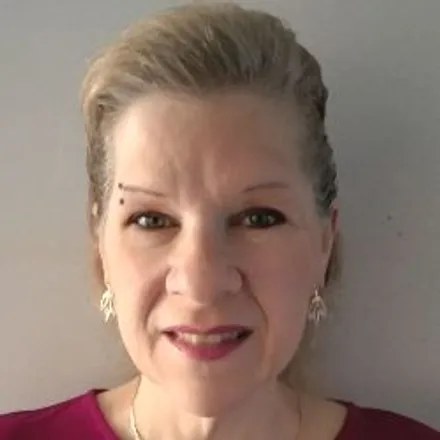
Ilsa is a Licensed Professional Counselor (LPC-S, LPC-A), Somatic Experiencing Practitioner (SEP), Certified First Responder Counselor (CFRC), Certified Clinical Trauma Professional (CCPT-II), National Certified Counselor (NCC), and Board-Approved Supervisor. She holds a Master of Arts degree in Professional Counseling from Liberty University and is trained in Eye Movement Desensitization and Reprocessing Therapy (EMDR), Somatic Experiencing (SE) and Relational Bodywork and Somatic Education (BASE), Internal Family Systems (IFS), Dynamic Attachment Repatterning experience (DARe), Brainspotting, Cognitive Processing Therapy (CPT), Emotionally Focused Therapy (EFT), and Gottman Method Couples Therapy. Ilsa is also a Certified Animal-Assisted Play Therapist, Certified Integrative Mental Health Professional and Certified SYMBIS Facilitator. In addition, Ilsa is a member of Somatic Experiencing International and the American Association of Christian Counselors (AACC).
Ilsa is a trauma-informed counselor with extensive experience working with individuals, couples, and First Responders presenting with anxiety, depression, sexual trauma, childhood trauma/attachment issues, complex trauma, PTSD/C-PTSD, and relationship conflicts.
Ilsa works in collaboration with her clients, creating a safe space, towards desired goals. She believes that all individuals have within themselves the capacity for growth. She provides a holistic integrative approach, tailored to the client’s unique needs, that promotes wellness and facilitates healing through somatic and attachment-based work. Clients move from chaos towards a sense of agency & internal safety. Providing an environment of acceptance, warmth, and understanding, Ilsa supports and empowers clients to build on their strengths and attain the growth needed to address challenges and experience a more fulfilling and meaningful life.