Skip to Content
Therapists answer…

Why did you become a therapist, and what motivates you to continue?
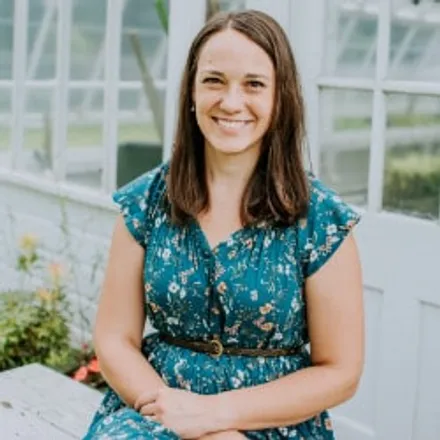
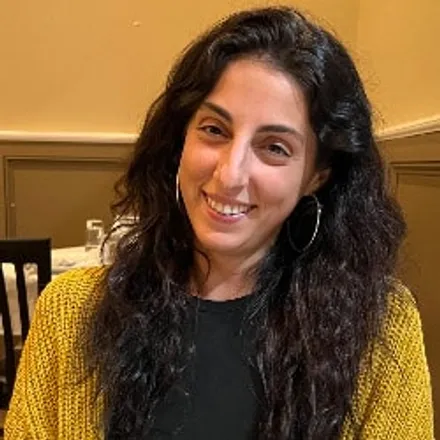
Vanessa BruggeV

Vanessa Brugge

LCSW, BCBA, C-IAYT
Online & In-Person
Why did you become a therapist, and what motivates you to continue?
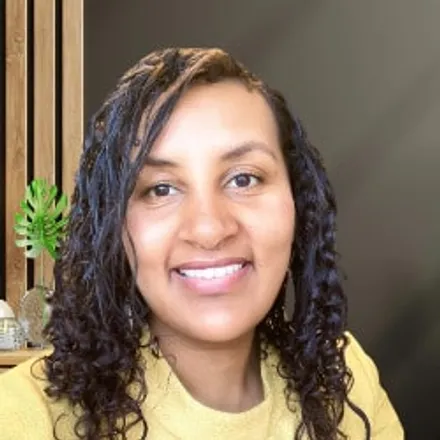
I hold in high regard the power of our mind. Our thoughts and perceptions have an immense ability to influence our emotions and our behaviors. The term "mind over matter" did not just come from nothing. There is definitely something to it. Imagine the outcomes we can achieve if we can effectively channel that power with a commitment to our highest values and actively change our behaviors to meet those values. Imagine the beautiful opportunities that lie ahead for self-discovery and growth.  I believe everyone deserves to find and experience the joy and fulfillment that comes with mindful living and thriving with purpose.
I have a passion for empowering high achievers like you , though a journey of self discovery towards a fulfilling lived experience. You’ve chased your dreams and found success, but it’s gotten to the point where you feel depleted, empty and your relationships may be in jeopardy. Perhaps you’ve been questioning what more is out there, experiencing an existential crisis of sorts. You know it's time for Change. You Welcome it. You're Motivated. Let's work together so you can finally experience contentment and joy in the life you’ve worked so hard for. Reach out to if you’re ready to embark on this journey. Schedule a no obligation call with me so we can chat to see if I’m the right therapist to guide you through. 
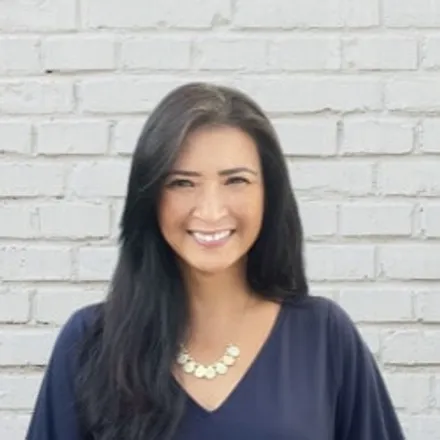
Richard RodgersR

Richard Rodgers

Social Worker
Online Therapy
Why did you become a therapist, and what motivates you to continue?
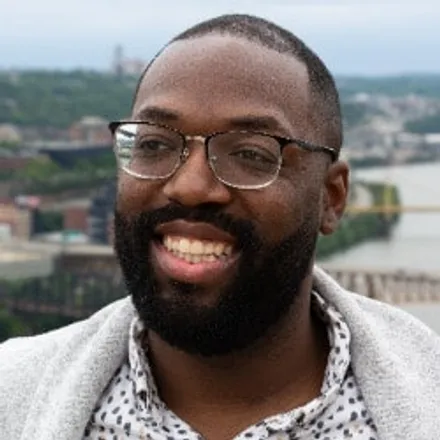
Coming home from Afghanistan I seen a lot of people in need. I wanted to help others who struggle.
I am a Social Worker and Yoga Instructor. I first became interested in working with mental health when I returned home from Afghanistan while in the Army National Guard. I have seen many friends fall victim to substance abuse, depression, and PTSD. I swore that I would work on being in the position to best help veterans and others who go through difficult situations. Being an addictions counselor and Social Worker is very personal to me. It is my passion. Seeing that I already had a bachelor's in Community Health, I made it my goal to become some kind of practitioner. When I learned about Social Work, I was overwhelmed with the idea of getting my Masters and working towards a license. A few years later, I finally received my Licensed Clinical Social Worker. I am proud of my license and it took 5 years of hard work to attain. I have now been working in the mental health and addictions field for roughly 10 years. I first got into counseling in the military. After a few years of working inpatient mental health and substance abuse, I spent some time outpatient. I specialize in addictions but have much experience with people with depression, anxiety, and trauma. I have an extra certified credential of being a Certified Trauma Therapy Professional. I also experience helping people dealing with relationships, careers, and other life issues as well. Also, I have experience working with those who have a criminal background. I try to listen and understand your problems and point of view the best I can. Based on this I work with you to develop a plan to help you make improvements. My main focus is to help you make a positive change. I hope to work around you’re needs. It's my hope that I can help support you through whatever it is your going through. Some people just want support, while others want a formal therapy. Just let me know what it is you're looking for. Sometimes people just need to talk to someone or need positive encouragement. I am happy to give this as well. I am here to be a positive person in the lives of people that need more positive people. I like to be able to input Yoga techniques in our session. In my free time, I like being with my family and animals. My family has 2 dogs and 2 cats. I attend Brazillian Jiu-Jitsu and Yoga classes a few times a week.
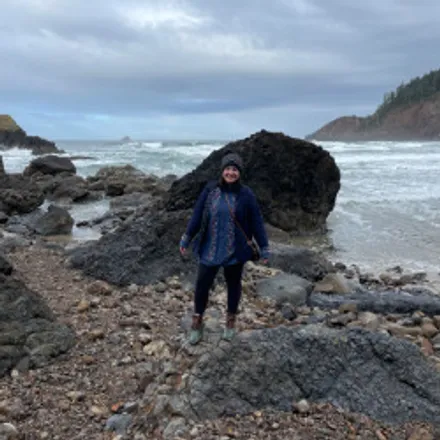
Jon-Paul BirdJ

Jon-Paul Bird

Therapist
Online & In-Person
Why did you become a therapist, and what motivates you to continue?
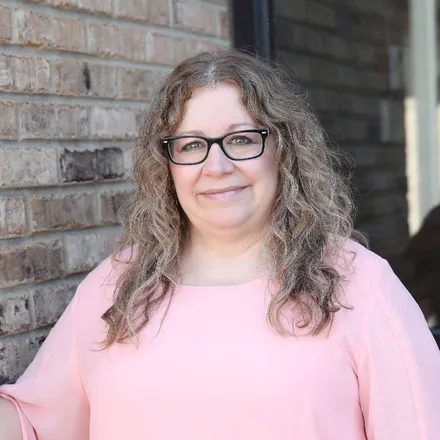
I became a therapist because I’ve always been drawn to helping others navigate the challenges of life, especially when it comes to mental health. Over the years, I’ve seen how deeply panic, anxiety, and emotional struggles can impact someone’s life, and I wanted to be in a position to offer real, transformative support. I knew that by becoming a therapist, I could help people not just manage their symptoms but truly understand themselves and build resilience. I’m passionate about using mindfulness, self-compassion, and cognitive behavioral techniques because I’ve seen how powerful these tools can be in helping people reclaim their sense of control. For me, it’s incredibly rewarding to witness the breakthroughs my clients have when they realize they don’t have to be defined by their anxiety or panic. That’s why I chose this path—to offer people hope and guide them toward lasting change.
With over 12 years of experience, I specialize in helping individuals overcome Panic Disorder by utilizing a compassionate and integrative approach. My practice is centered on evidence-based techniques, including Mindfulness-Based Stress Reduction (MBSR), Mindful Self-Compassion (MSC), and Cognitive Behavioral Therapy (CBT). Experiencing a panic attack can feel overwhelming and terrifying. During an episode, it’s common for individuals to experience intense physical symptoms such as a racing heart, shortness of breath, chest pain, dizziness, or a feeling of choking. These sensations often lead to a fear of losing control, fainting, or even dying. Emotionally, panic attacks bring on a wave of fear and a sense of impending doom, making it feel like the world is closing in. Many people describe feeling detached from reality, as if they are watching themselves from the outside.  In my practice, I work with clients to break the cycle of panic and anxiety, empowering them with the tools and skills needed to manage overwhelming emotions and regain control of their lives. My approach combines mindfulness and self-compassion to help clients build a deeper understanding of their triggers and reactions, while CBT provides practical strategies to challenge and reframe negative thinking patterns.  My goal is to create a safe, supportive environment where clients can feel heard, understood, and equipped to face their challenges with confidence. I offer individualized treatment plans tailored to each client’s unique needs, fostering personal growth and long-term resilience.
Paige AvellarP

Paige Avellar

LMHC
Online Therapy
Why did you become a therapist, and what motivates you to continue?
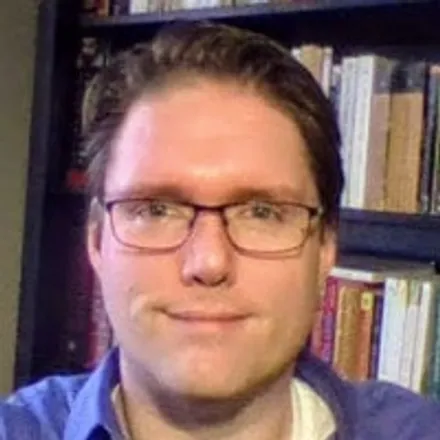
I became a therapist because I love to be a part of peoples’ growth and change. I know from personal experience how scarred our pasts can leave us; I want to help people understand that we can choose happiness despite those scars. 
Hey there! My name is Paige Avellar and I am Licensed Mental Health Counselor in Florida. I started my mental/behavioral health career in California as a Youth Care Professional working with at risk teens in the group home system. I was also volunteering as a Trauma Response Advocate for victims of sexual assault and domestic violence at the time. When I moved to San Diego, CA, I began working with children on the spectrum as a Registered Behavior Technician. During my time in Florida, I have worked with private practices that help clients manage anxiety, depression, and other common mental health symptoms. I have also worked with clients who struggle with substance abuse and co-occurring mental health problems. Just call me a jack of all trades! I’ll take a quick moment to be vulnerable and let you know that I am also a human that has a history of complex trauma! I’ve been through the healing process and I know how HARD it is to unlearn all of the intrusive thoughts and unhelpful behaviors that you’ve learned as a result of your trauma. I also know that the therapeutic process is not linear, so don’t worry; we’ll take our time and figure it out together. I practice from a Cognitive Behavioral perspective, which basically means I help you identify your problematic thoughts and how they affect your emotions and behaviors. Then we figure out how to challenge your problematic thoughts and replace them with healthier thoughts that lead to healthier feelings and behaviors! I totally understand that counseling can be intimidating; please know that my ultimate goal as a counselor is to encourage the people that I work with to wake up and choose to be their best and brightest selves every day! If you are interested in taking back your power over your mental health struggles and choosing joy every day, I would love to be the one to help you! Please feel free to contact me by phone at 904-372-3637 or by email at [email protected]. **Please note that I am only meeting with clients via phone or Zoom at this time.
Haley MyersH

Haley Myers

Licensed Clinical Social Worker

Why did you become a therapist, and what motivates you to continue?

Michael McCullyM

Michael McCully

Licensed Marriage and Family Therapist

Why did you become a therapist, and what motivates you to continue?

I became a therapist because of a broken heart. I was at seminary not really because I knew what I wanted to do with my life, but because I enjoyed studying religion, theology, philosophy, and all that good stuff. But I was still sort of wandering, and I met this woman, who was smart and pretty and just all around great, and I fell in love! And I thought, "Hey! I'm going to marry this lady!". She didn't. And that really sucked, and it hurt a whole lot, and she dumped me, and I got saddled with some of the most excruciating pain I had ever felt. And I decided by God if I have to go through this, I might as well learn something from it. So I started studying relationships. What makes them work, what doesn't. I started with Plato's Symposium and worked my way up to Harville Hendrix's Getting the Love You Want. From classical to pop! And I found that helped. That helped me to understand how to communicate better, how to listen, as well as just how do relationships function in general. And then it was a year almost to the day, that my best friend called me up, and said that he was a little afraid that his wife might be cheating on him. And suddenly, for the first time in my entire life, I actually had useful knowledge! No offense to theology and all those other things I studied. I had knowledge that could be put to good use. And I did. For a time I walked with him during probably the second worst experience of his life. And did everything I could to help him by using those skills of listening deeply. And one night he said, "You know, you're kind of good at this, maybe you should do this for a career". And I thought about it. "Could I? Could I get paid to love people? Could I be a platonic prostitute? Well, why not!". So I enrolled at a school here in Indiana and I became a Marriage and Family Therapist. And I've stuck with it because, as cheesy as it probably sounds, being paid to love people is the best job in the world. And I'm grateful, every chance I get to practice it. So, that's how I became a Marriage and Family Therapist.
Jhanelle DelisserJ

Jhanelle Delisser

License Mental Health Counselor
Online Therapy
Why did you become a therapist, and what motivates you to continue?
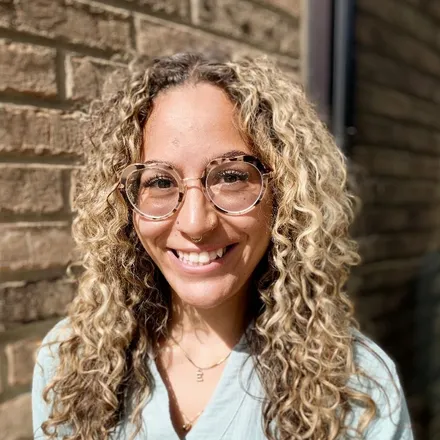
When I consider the path that lead me to become a therapist it seemed natural but it did not feel that way. I began my career in Early Childhood Development and Learning working with children in lower-income communities. There I learned the difference having a support system can make when the odds are stacked against you. I then began my career in mental health working with an intensive community treatment team to support individuals with severe mental illnesses. These experiences and others have shaped the path I am on. When working with other my approach is supportive and goal-oriented while helping clients build confidence and challenge their mindsets.
Jhanelle is a licensed mental health counselor in the state of New York. Jhanelle completed her master’s degree in mental health counseling at Adelphi University and her bachelor’s degree in Psychology and Africana Studies at the University of Pittsburgh. She has four years of experience working with an intensive community treatment team to support individuals with severe mental illness and four years of experience at a center for early childhood development and learning. In her early career, she assisted in a research project studying racial identity and the impacts of racial discrimination on physical and mental health. Her training and experience have helped to inform an approach that is forward-looking and supportive. She enjoys helping clients build confidence, shift their internal narratives, and make changes in their choices and lifestyles. She is known for her uplifting attitude, encouraging words, and unconditional positive regard.