Skip to Content
Therapists answer…

For people that are hesitant to try therapy, what do you wish you could tell them?

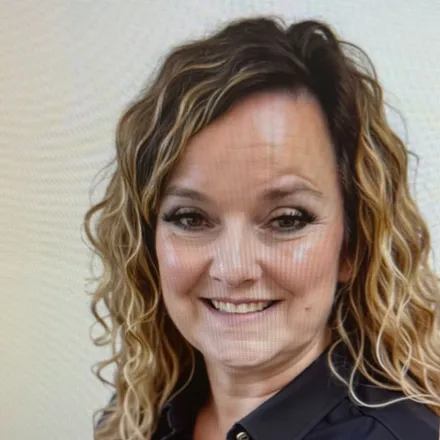
Bridget C. EverettB

Bridget C. Everett

MA,LPC,CGT,EMDR Trained | Clinical Therapist
Online & In-PersonAccepting New Clients
Bridget C. Everett, MA, LPC, CGT Licensed Professional Counselor | Certified Grief Therapist | EMDR Trained Bridget is a Licensed Professional Counselor (LPC) and Certified Grief Therapist (CGT) in Colorado. Her experience includes inpatient, residential, outpatient, intensive outpatient (IOP), and partial hospitalization (PHP) settings, working with children ages eight and older, adolescents, adults, older adults, and families. Her therapeutic approaches may include cognitive behavioral therapy (CBT), dialectical behavior therapy (DBT), Acceptance and Commitment Therapy (ACT), mindfulness and somatic-based interventions, trauma-informed care, and neuroscience-informed perspectives. Bridget has also completed EMDR Basic Training. EMDR and Trauma-Informed Treatment While Bridget is trained in EMDR and other trauma-informed approaches, requesting EMDR does not mean it will automatically be initiated or that it is the most appropriate treatment approach. Treatment recommendations are based on clinical assessment, including each client’s needs, goals, stability, readiness, and safety. EMDR may require preparation and stabilization and may not be appropriate for every client or at every stage of treatment. Because EMDR providers vary in training and experience, clients are encouraged to ask about a provider’s specific qualifications. Areas of Support — Anxiety: Worry, anxious thoughts, overwhelm, and difficulty managing stress. — ADHD: Attention, organization, follow-through, impulsivity, restlessness, and everyday functioning. — Behavioral Concerns: Patterns that interfere with functioning at home, school, work, or in daily life. — Grief and Loss: Bridget’s CGT credential reflects additional specialized education in grief and loss. She supports individuals navigating bereavement, anticipated loss, significant life changes, relationship and family losses, and the loss of a pet or companion animal. — Adjustment and Life Transitions: Navigating changes involving relationships, family, school, work, living circumstances, and other significant life events. — Emotion Regulation and Distress Tolerance: Understanding and managing emotions, navigating difficult experiences, and developing more intentional responses. Approach to Counseling Bridget views counseling as a collaborative process and values transparency, ethical practice, and the time and commitment clients bring to their care. Her role is to listen carefully, help clients explore patterns and connections, and offer clinical perspective and therapeutic tools while supporting them in making meaning of their own experiences. When a client’s needs extend beyond her training or experience, a requested treatment approach is not clinically appropriate, or another level of care may be indicated, Bridget communicates this openly and supports appropriate referrals or transitions in care. 970-400-7319 [email protected] Psychiatric Services of the Rockies: Therapy 2121 Midpoint Dr., Ste 201, Fort Collins, CO 80525

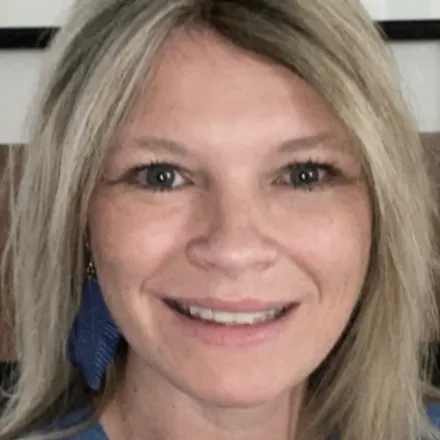
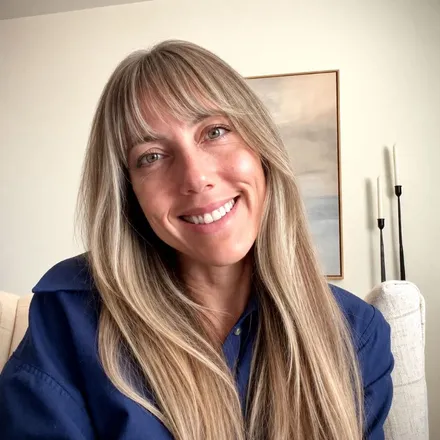
Joannie HambelJ

Joannie Hambel

PMHNP
Online TherapyAccepting New Clients
If you’ve ever felt like your mental health care focused more on managing symptoms than understanding why you feel the way you do, you’re not alone. My approach starts with meeting you where you are, listening closely to your story, and helping you rebuild wellness from the inside out. I’m a board-certified Psychiatric Mental Health Nurse Practitioner with an integrative and functional approach to psychiatry. I work with adults and adolescents experiencing anxiety, depression, ADHD and focus concerns, burnout, sleep difficulties, hormonal or menstrual-related mood changes such as PMDD, and those who may feel frustrated after trying treatments that haven’t fully helped. Rather than rushing to a diagnosis or prescription, I take time to understand the bigger picture. We may explore sleep, nutrition, stress, hormones, metabolic health, nutrient deficiencies, medications, lifestyle, relationships, and other factors that can influence how you feel. When appropriate, treatment may include psychiatric medication, psychotherapy, targeted nutritional or lifestyle strategies, supplements, laboratory evaluation, or a thoughtful combination of approaches. I also have a special interest in helping people who want to better understand their medications, reduce unnecessary medication burden, or explore carefully planned tapering when clinically appropriate. You deserve a space where you can ask questions, understand your options, and participate fully in decisions about your care. My goal is not simply to help you feel “less symptomatic,” but to understand what may be contributing to how you feel and build a treatment plan that makes sense for you and your life.
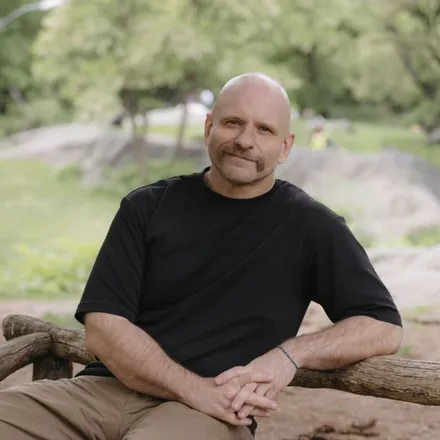
Matthew PieknikM

Matthew Pieknik

Clinical Social Work/Therapist, LCSW
Online & In-PersonAccepting New Clients
You have a story about yourself — about who you are, what you're capable of, what you deserve. Chances are, you didn't write all of it. Parts came from your family, your culture, old wounds, expectations you never agreed to. And chances are, some of that story no longer fits. I come to psychotherapy from an unusual place: a background in literature and literary theory, and twenty years of teaching and counseling before I ever became a therapist. That means I listen differently. I pay close attention to the language you use, the stories you tell about yourself, and the larger narratives — familial, generational, cultural, even unconscious — that have been shaping you long before you had a say in the matter. Together, we co-author something new. Not by erasing your history, but by loosening its grip — finding the parts of the old story that were never really true, and uncovering resources you didn't know you had to build the life you actually want. Sexuality often has a central role in this work; it's rarely peripheral to who we are and who we're becoming, and I make room for it accordingly. I work most often with anxiety, depression, mood disorders, personality disorders, and relationship conflict — but more than any diagnosis, I'm interested in the story underneath it, and in helping you become its author instead of its subject. If this resonates, I'd love to talk.