Skip to Content
Therapists answer…

How do you work with clients with anxiety?

Ashlyn GraffA

Ashlyn Graff

Therapist

What's your approach to anxiety, and what does progress look like for clients?

Living Tree Wellness CenterL

Living Tree Wellness Center

LCSW
Online & In-PersonAccepting New Clients
What's your approach to anxiety, and what does progress look like for clients?
I view anxiety as an overprotective alarm system—your mind and body working overtime to keep you safe. My approach is collaborative and integrative, combining practical coping tools with nervous system regulation so we’re addressing anxiety from multiple angles. In our sessions, I draw from Cognitive Behavioral Therapy (CBT) to help you spot and untangle “what-if” thought spirals and perfectionistic rules that fuel worry. We pair this with Acceptance and Commitment Therapy (ACT), which teaches you how to unhook from anxious thoughts—so you don’t have to wait for anxiety to disappear before making choices aligned with your values. Because anxiety lives in the body as much as the mind, I also integrate somatic and nervous-system-informed tools, helping you recognize physical cues (like a tight chest or restlessness) and use concrete grounding practices to signal safety to your body. What progress looks like: Progress doesn’t mean never feeling anxious again; it means anxiety no longer sits in the driver’s seat. Clients often notice they’re recovering faster from stressful moments, second-guessing themselves less, sleeping better, and showing up more fully in their relationships and daily lives.
At Living Tree Wellness Center, we know reaching out for support takes courage, and we want you to know you've already taken the hardest step. Our role is to walk alongside you from here. We work with Adults, and veterans who are navigating anxiety, depression, life transitions, relationship challenges, trauma, burnout, post partum or trauma. Many of the people we see are carrying more than they let on—holding things together on the outside while feeling overwhelmed, stuck, or disconnected underneath. If that sounds familiar, you don't have to figure it out alone. In our sessions, you'll find a space that is calm, nonjudgmental, and genuinely yours. Our providers listen closely, ask thoughtful questions, and help you make sense of patterns that may have been running in the background for years. Together, we'll build practical tools you can use right away, while also addressing the deeper roots of what's keeping you from feeling like yourself. Our providers approach draws from CBT, ACT, EMDR, mindfulness-based, psychodynamic, person-centered, and equine assisted therapy, but we always tailor our work to you—your pace, your goals, and what actually helps. Some weeks that looks like structured skill-building; other weeks it means simply having a place to be heard. Our hope is that you leave our work together feeling more grounded, more self-compassionate, and more confident in your ability to handle whatever comes next. If you're ready to begin, or even just curious whether we'd be a good fit, we would love to hear from you. Reach out for a free 15-minute consultation 503-567-2894.
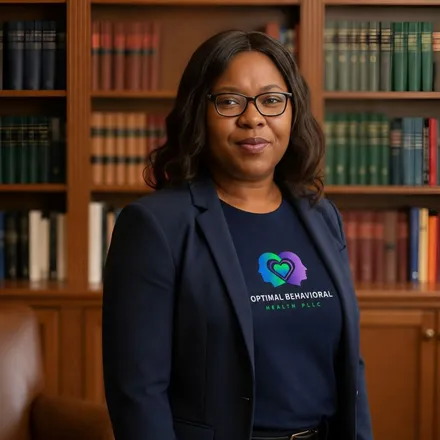
Noushin VastaniN

Noushin Vastani

PMHNP-BC
Online TherapyAccepting New Clients
What's your approach to anxiety, and what does progress look like for clients?
Dr. Vastani takes a personalized, trauma-informed approach to anxiety, helping clients understand their triggers, navigate overwhelming emotions, and develop healthier ways to cope with stress and uncertainty. Together, clients work toward feeling more grounded, building self-trust, and responding to life's challenges with greater resilience. Progress looks different for everyone, but may include improved emotional balance, increased confidence, healthier boundaries, and a stronger sense of control over daily life.
Dr. Noushin Vastani is a double board-certified healthcare professional with over 24 years of clinical and research experience. As the founder and CEO of SANN Healthcare, Dr. Vastani brings deep compassion, scientific expertise, and personal insight to her work in mental health care. Her mission is simple yet powerful: to deliver exceptional, individualized psychiatric care that promotes healing, empowerment, and long-term well-being. Double board certified and serving up expertise with a side of heart, Dr. Vastani knows therapy isn’t just about talking—it’s about celebrating every dazzling piece of who you are. She’s here to smash those outdated mental health stigmas and build safe spaces where you can show up fully, flaws and all. Dr. Vastani saw the cookie-cutter therapy vibes and said, “Nope.” She created spaces where all parts of your identity aren’t just accepted—they’re celebrated. Her secret weapon? A trauma-informed, collaborative style that’s as healing as it is real.
Sylvia EzewuzieS

Sylvia Ezewuzie

PMHNP
Online & In-PersonAccepting New Clients
What's your approach to anxiety, and what does progress look like for clients?
My approach to anxiety is compassionate, collaborative, and evidence-based. I work with each client to understand their symptoms, identify contributing factors, and develop an individualized treatment plan that may include medication management and ongoing psychiatric support. Progress is not about eliminating every worry, but about feeling more in control, managing stress more effectively, improving sleep, and approaching everyday situations with greater confidence and emotional balance.
’m Dr. Sylvia Ezewuzie, a board-certified Psychiatric Mental Health Nurse Practitioner (DNP, APRN, PMHNP-BC). For over 15 years, I’ve worked in health care, helping people of all ages build resilience and find emotional balance. I offer thoughtful, evidence-based psychiatric evaluations, diagnoses, and medication management for adults and teens dealing with depression, anxiety, bipolar disorder, PTSD, psychosis, and substance use issues. My style is grounded in both clinical expertise and genuine empathy. I always respect each patient’s story, and I believe the best results come from working together as partners in care. As a psychiatric mental health nurse practitioner, my specialty is supporting people through the ups and downs of mental health. I work with adults and adolescents facing challenges like depression, anxiety, bipolar disorder, PTSD, psychosis, and substance use. My goal is to help you achieve emotional wellness and build the resilience you need. If you’re struggling with your mental health, just know you’re not alone—and reaching out for help is a strong and brave step. I understand how overwhelming things can feel when you’re facing anxiety, depression, bipolar disorder, PTSD, psychosis, or substance use issues. My goal is to meet you with empathy and respect, no matter where you’re starting from
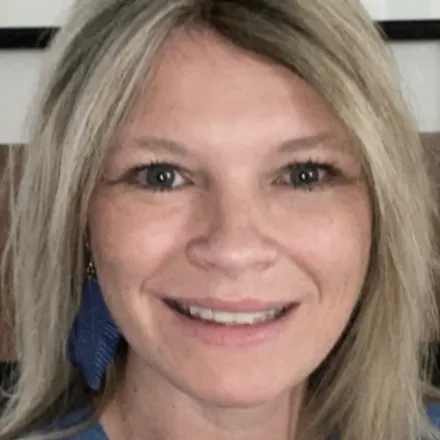
Bridget C. EverettB

Bridget C. Everett

MA,LPC,CGT,EMDR Trained | Clinical Therapist
Online & In-PersonAccepting New Clients
How do you work with clients with anxiety?
When working with clients with anxiety, I create a supportive and structured environment where they can safely explore their thoughts, emotions, and triggers. I use evidence-based approaches, such as cognitive-behavioral therapy, mindfulness techniques, and relaxation strategies, to help clients identify unhelpful thought patterns and develop practical coping skills. The goal is to reduce distress, improve emotional regulation, and empower clients to manage anxiety effectively in their daily lives while building confidence and resilience.
Bridget C. Everett, MA, LPC, CGT Licensed Professional Counselor | Certified Grief Therapist | EMDR Trained Bridget is a Licensed Professional Counselor (LPC) and Certified Grief Therapist (CGT) in Colorado. Her experience includes inpatient, residential, outpatient, intensive outpatient (IOP), and partial hospitalization (PHP) settings, working with children ages eight and older, adolescents, adults, older adults, and families. Her therapeutic approaches may include cognitive behavioral therapy (CBT), dialectical behavior therapy (DBT), Acceptance and Commitment Therapy (ACT), mindfulness and somatic-based interventions, trauma-informed care, and neuroscience-informed perspectives. Bridget has also completed EMDR Basic Training. EMDR and Trauma-Informed Treatment While Bridget is trained in EMDR and other trauma-informed approaches, requesting EMDR does not mean it will automatically be initiated or that it is the most appropriate treatment approach. Treatment recommendations are based on clinical assessment, including each client’s needs, goals, stability, readiness, and safety. EMDR may require preparation and stabilization and may not be appropriate for every client or at every stage of treatment. Because EMDR providers vary in training and experience, clients are encouraged to ask about a provider’s specific qualifications. Areas of Support — Anxiety: Worry, anxious thoughts, overwhelm, and difficulty managing stress. — ADHD: Attention, organization, follow-through, impulsivity, restlessness, and everyday functioning. — Behavioral Concerns: Patterns that interfere with functioning at home, school, work, or in daily life. — Grief and Loss: Bridget’s CGT credential reflects additional specialized education in grief and loss. She supports individuals navigating bereavement, anticipated loss, significant life changes, relationship and family losses, and the loss of a pet or companion animal. — Adjustment and Life Transitions: Navigating changes involving relationships, family, school, work, living circumstances, and other significant life events. — Emotion Regulation and Distress Tolerance: Understanding and managing emotions, navigating difficult experiences, and developing more intentional responses. Approach to Counseling Bridget views counseling as a collaborative process and values transparency, ethical practice, and the time and commitment clients bring to their care. Her role is to listen carefully, help clients explore patterns and connections, and offer clinical perspective and therapeutic tools while supporting them in making meaning of their own experiences. When a client’s needs extend beyond her training or experience, a requested treatment approach is not clinically appropriate, or another level of care may be indicated, Bridget communicates this openly and supports appropriate referrals or transitions in care. 970-400-7319 [email protected] Psychiatric Services of the Rockies: Therapy 2121 Midpoint Dr., Ste 201, Fort Collins, CO 80525

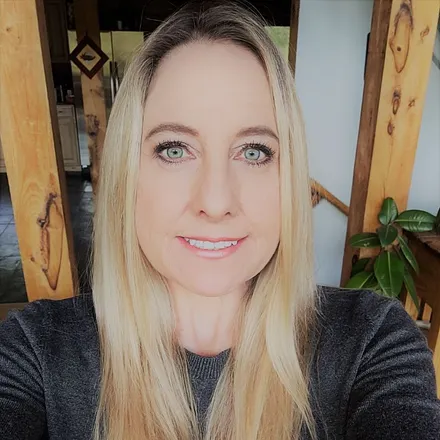
Teresa ArnoldT

Teresa Arnold

Psychiatric Nurse Practitioner

What's your approach to anxiety, and what does progress look like for clients?

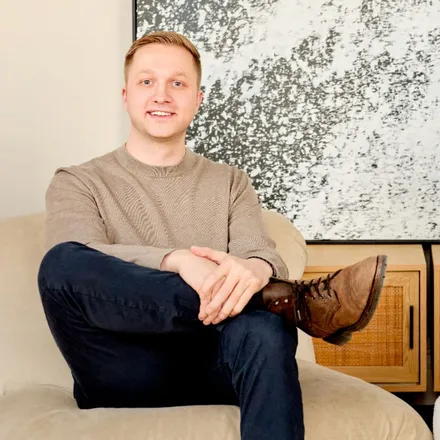
Jack SzaryJ

Jack Szary

LMHC-D
Online TherapyAccepting New Clients
What's your approach to anxiety, and what does progress look like for clients?
Anxiety is a system doing its job too well. It scans for threat, demands certainty before you act, and pushes you toward whatever makes the discomfort stop fastest. That usually means avoidance, over-preparation, reassurance-seeking, or working harder. Each of those works in the moment, which is exactly why the pattern holds. The relief teaches your brain that the threat was real and that the coping strategy saved you. So my approach targets the pattern rather than the feeling. We identify what you are doing to manage anxiety and what that management is costing you. Then we work on tolerating the discomfort instead of resolving it, because the goal is not to feel calm before you act. It is to act while anxious and let the anxiety recalibrate on its own. I draw on ACT for the relationship you have with anxious thoughts, CBT for testing the predictions that drive them, and DBT skills for the moments when you are too activated to think clearly. I will tell you which one we are using and why. Progress usually does not show up first as feeling less anxious. It shows up as scope. You send the email without rewriting it four times. You sit in a meeting without rehearsing your contribution. You stop canceling things. The anxiety may still be present, but it has stopped setting the terms. Later, the intensity does come down, because you are no longer feeding it with avoidance. Clients often notice it in retrospect: something that would have consumed a week now takes an afternoon. The endpoint is not a life without anxiety. It is anxiety that no longer decides what you do.
I work with high-functioning professionals across New York who look steady from the outside and are running on empty underneath. Attorneys, founders, finance and tech professionals, healthcare workers, and the people everyone else leans on. If you are managing anxiety by overworking, or you have hit burnout and cannot slow down without feeling like you are failing, that is the work. I specialize in anxiety therapy, burnout recovery, self-esteem, and men's mental health. All sessions are virtual, so you can meet from your office, your apartment, or between calls. Sessions are direct and structured. You will not spend fifty minutes narrating your week to silence. We identify the pattern driving the problem, whether that is avoidance, perfectionism, or the internal critic that never lets up, and then we build skills you can actually use on a Tuesday afternoon. I draw on ACT, CBT, and DBT, along with Stoic-informed frameworks that tend to land well with people who think analytically. Expect me to challenge you and to be straightforward about what I am seeing. Expect homework. Expect to leave most sessions with something concrete to try.