Skip to Content
Therapists answer…

What is therapy like? What does a typical session with you look like?

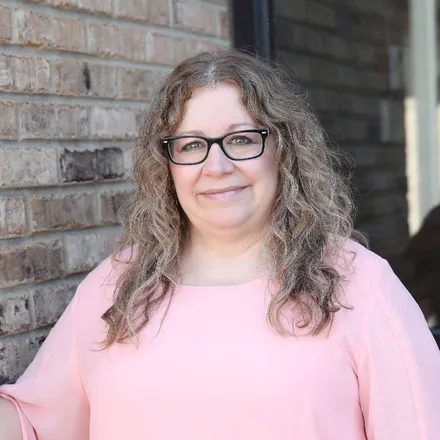
Maria PietruszkaM

Maria Pietruszka

Psychotherapist at Say More Mental Health Counseling
Online Therapy
What do therapy sessions with you look like?
I want therapy participants to show up as they are. We will dive only as deep as they are ready to. First, it is important to build trust, I use humor, positive reinforcement and a relatable approach to that. Once that happens some of our sessions are more structured and goal oriented, sometimes we might be discussing some more immediate situations that might have occurred. It is my goal to make client's feel heard and validated while working towards their personalized goals.
Therapy participants at Say More MHC are likely women or those exploring their relationship with alcohol or drug use, seeking empowerment and personal growth. You may be experiencing issues related to gender inequality, societal pressures, stigma, addiction or personal trauma. You may be seeking to understand and challenge the systemic factors affecting your mental health or drug use to reclaim your voice and autonomy for a healthier lifestyle. I provide a collaborative therapeutic relationship where your experiences and perspectives are validated and respected. We can explore identity, relationships, and life choices through the lens of feminist theory while incorporating other evidence based practices like motivational interviewing, DBT & CBT to reach your specific goals. I understand how challenging it can be to navigate life’s difficulties, especially when dealing with issues like substance use or emotional struggles. I’m here to offer a supportive, empowering environment where your experiences are validated and your strengths are nurtured. Together, we can work towards your goals & build the life you envisioned.
Linda ChiL

Linda Chi

counselor
Online Therapy
What do therapy sessions with you look like?
I provide a supportive environment where you can express your thoughts, feelings, and experiences without fear of judgment. This safe space allows you to explore and understand aspects of yourself that might have been buried or ignored for too long. As we delve into your emotions and the root causes of your struggles, you gain insights into patterns of behavior or thinking that may be keeping you disconnected from your true self or your goals. You will also learn self-regulation techniques, such as breathing exercises, guided imagery, and somatic practices, which help calm your nervous system and foster a deeper connection between body and mind, making it easier to process emotions and reprocess traumatic memories. Unresolved trauma, pain, and negative thought patterns are addressed and processed. I use EMDR to reprocess traumatic memories, allowing your brain to heal and integrate past experiences in a way that no longer causes distress, and reducing their emotional impact on your present. EMDR helps shift negative beliefs related to trauma to more positive, adaptive beliefs. TEAM-CBT focuses on recognizing and breaking free from the distorted thinking patterns and self-defeating behaviors that are keeping you stuck. I will help you reframe your thinking so you can begin to shift your emotional responses and regain control over your actions. Then we will work on creating a new, healthier patterns in your life.
I specialize in working with ambitious adults who are secretly dealing with anxiety, depression, or past trauma to heal deeply, build emotional strength, achieve a deeper sense of happiness and purpose, and live a more fulfilling and connected life.
Irina MindlisI

Irina Mindlis

Clinical Psychologist
Online Therapy
What do therapy sessions with you look like?
As an integrative therapist, I find that adapting evidence-based treatments in a way that takes into account specific needs and culture is essential to treatment. Evidence based approaches I use in my practice include cognitive behavioral therapy (CBT), CBT for insomnia (CBT-I), cognitive processing therapy for post-traumatic stress disorder (CPT), and motivational interviewing. I also provide psychological evaluations for bariatric surgery.
I am a licensed clinical psychologist in New York and New Jersey with a special interest in adjusting to medical illness and aging. A clinical health psychologist by training, I received my Ph.D. from the Graduate Center of the City University of New York after completing a pre-doctoral Clinical Psychology Internship at Mount Sinai Services/Elmhurst (2023). I also hold a Licentiate in Psychology from the Universidad de Palermo in Buenos Aires, Argentina (2013). I have specific expertise in helping adults adjust to chronic illness, including heart failure and other cardiovascular conditions, cancer and cancer survivorship, palliative and end-of-life care, diabetes, asthma, and GI/gastrointestinal disease, through my pre-doctoral externships and internship at Northwell Health/Long Island Jewish in Manhasset, Queens Hospital, and Elmhurst Hospital. My research has focused on aging adults’ adjustment to life with multiple chronic illnesses, including improving quality of life, reducing depressive symptoms, illness self-management, and patient-provider communication. In addition to my role as a therapist, I am also a Postdoctoral Associate in Behavioral Geriatrics in the Division of Geriatrics and Palliative Medicine at Weill Cornell Medicine, where I focus on understanding the relationship between living with multiple chronic conditions and depression, as well as improving care for this population. I am a member of the Gerontological Society of America and the Society for Behavioral Medicine, and an editorial board member for the Annals of Behavioral Medicine.