Skip to Content
Therapists answer…

How do you work with clients with depression?

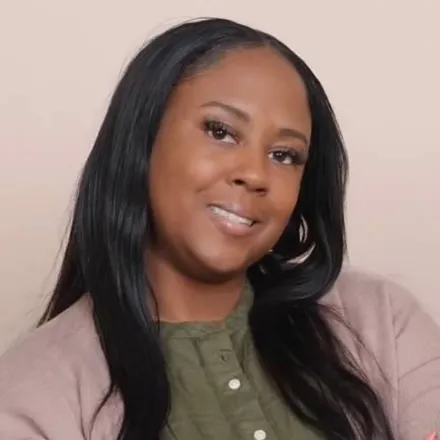
Stacy HuddlestonS

Stacy Huddleston

Licensed Clinical Social Worker / Therapist
Online & In-PersonAccepting New Clients
How do you work with clients with depression?
I support clients with depression by helping them challenge negative thought patterns, build healthy routines, and reconnect with activities and values that bring meaning—using approaches like CBT, DBT, and mindfulness to foster hope and resilience.
My path to becoming a therapist is deeply personal. Over the years, I have experienced grief, loss, divorce, trauma, abuse, and major life transitions in my own journey. These experiences not only shaped my understanding of suffering but also deepened my heart for walking with others who find themselves in painful or uncertain seasons. I know firsthand how overwhelming life can feel, and I also see the hope and restoration that can come through faith, healing, and connection. In addition to my personal journey, I have spent many years as a social worker in the hospice field, supporting individuals and families through end-of-life care, loss, and the grieving process. These experiences deepened my calling to create a safe and compassionate space for people in their most vulnerable moments. They also strengthened my belief that healing is possible even in seasons of sorrow, especially when we lean on faith and community. Today, as a Licensed Clinical Social Worker, I specialize in supporting individuals through grief, loss, trauma, relationship struggles, and life transitions. My approach is warm, collaborative, and faith-centered—grounded in the belief that every person is created in God’s image and deeply loved by Him. At Connect & Restore Therapy, I blend evidence-based practices with Christian values, offering a safe space where you can process your story, rediscover your strength, and move forward with clarity and peace. It is my privilege to walk alongside you, not only as a therapist but also as someone who has walked through valleys and experienced God’s grace and renewal firsthand. Together, we can lean into hope and pursue the healing and restoration God desires for your life. As Scripture reminds us, “The Lord is close to the brokenhearted and saves those who are crushed in spirit” (Psalm 34:18).

Malka ShawM

Malka Shaw

LCSW
Online & In-PersonAccepting New Clients
What's your approach to depression, and what does progress look like for clients?
I approach depression by looking beyond the symptoms to understand what is happening in the larger context of your life. Whether you're experiencing depression during a major transition, after a relationship ends, while navigating work-related stress or burnout, or for other reasons, I want to understand what you're carrying and what you want to change. With over 25 years of clinical experience and specialized training in trauma and EMDR, I offer a thoughtful, individualized approach that focuses on helping you move forward rather than simply managing symptoms. Progress may look like feeling more connected to yourself, having greater clarity and confidence, rebuilding motivation, improving relationships, and feeling more capable of engaging in the life you want.
I've been a licensed clinical social worker for over twenty five years, and in that time I've learned that most people don't come to therapy because they want to talk about their problems. They come because they're ready for something to actually change. My training is in trauma, and EMDR has been a core part of how I work for a long time now, but the bulk of my practice is with women navigating a major shift, dating again after years out of the field, going through a divorce or a breakup, becoming a mother, working through midlife issues, or dealing with work related stress and burnout. I also work with couples who are trying to figure out whether they can rebuild something or whether they're ready to move on, and either way, want to do it with more clarity than they came in with. What tends to set my work apart is that I never treat a person's background, whatever it is, as separate from what's actually going on with them clinically. That comes out of years spent developing a real depth in Jewish cultural competency the psychological impact of antisemitism , work I also train other clinicians and organizations in, but the underlying skill is the same no matter who is sitting across from me, understanding the full context someone is carrying and working with it, not around it. I've been in private practice since 2008. If you're looking for someone who takes what's going on seriously and has the years behind her to know what actually helps, I'd be glad to talk.