What do therapy sessions with you look like?
The purpose of therapy is to have a greater understanding of who you are now to help you move closer to the person you want to be. We use the LifeMap Model which is informed by Psychodynamic theory (where mental habits, feelings, motives and behaviors influenced by past experience are brought under conscious control to make decisions more in alignment with your true self). The Map is your treatment plan translated from clinical terms to language that better represents the work we do.
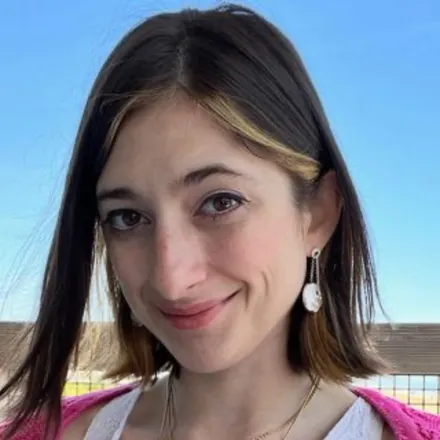
I help women and men overcome anxiety, depression, loss, and relational difficulties. I specialize in empowering women by developing their self-worth and confidence through individual therapy, group therapy, and specialized retreats. My approach is an integration of psychodynamic and cognitive-behavioral modalities, which means I will explore the way you experienced the world from birth until present in order to identify habits and behaviors that have become roadblocks to living in alignment with the person you want to be. I utilize LifeMaps, a collaborative treatment plan where you can track progress and see your therapy notes.
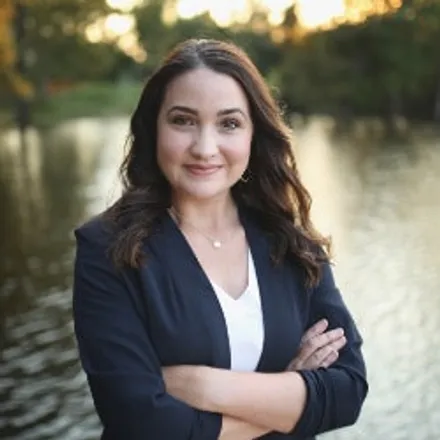
I am a Licensed Psychologist and the CEO of Create Outcomes and have over 20 years of experience helping people of all ages from a variety of backgrounds. I have also supervised other clinicians for over 10 years. I co-host What It Takes To Heal, a podcast that aims to demystify the therapeutic process and details what successful therapy looks like.
I've served as a director in a variety of clinical settings, including inpatient facilities, outpatient clinics, non-profit organizations, and in juvenile justice programs. The C.R.E.A.T.E. Outcomes model was informed by this work as a way to provide care that is self aware and aligned with the client's values, while also systematically tracking progress.