For people that are hesitant to try therapy, what do you wish you could tell them?
It makes sense to feel hesitant about therapy. Opening up about your experiences—especially when life feels overwhelming, uncertain, or painful—can feel vulnerable. You don't have to have everything figured out before reaching out.
One of the biggest misconceptions about therapy is that you'll be judged or told what to do. My role isn't to tell you how to live your life—it's to provide a supportive, nonjudgmental space where you can explore what's happening, better understand yourself, and develop practical tools to move forward. We'll work together at a pace that feels comfortable for you, and you'll never be pushed to share more than you're ready to.
Many people worry that asking for help means they've failed. I see it differently. Reaching out for support is a sign of courage and a commitment to creating positive change. Whether you're navigating anxiety, trauma, grief, addiction, relationship challenges, or a major life transition, you don't have to face it alone.
If the idea of traditional weekly therapy feels overwhelming, I also offer secure, HIPAA-compliant asynchronous messaging packages. This allows you to communicate with me between sessions—or, depending on your plan, as your primary form of support—when it's convenient for you. Many clients find it easier to process their thoughts through writing and appreciate having guidance during real-life moments instead of waiting for their next appointment.
You can come to therapy with questions, doubts, or uncertainty. You don't need to have the right words or know exactly where to begin. My goal is to meet you where you are, help you feel heard and understood, and support you in building a healthier, more fulfilling life. Sometimes the hardest part is taking that first step—but it's often the beginning of lasting change.
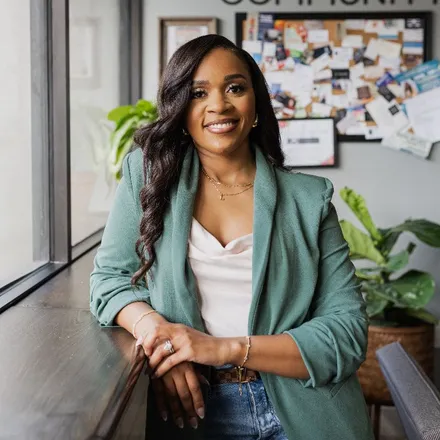
Caitlyn Dorsey is a Licensed Addiction Counselor, Licensed Professional Counselor, and Owner of Harbor Relationship & Recovery. She specializes in couples therapy and substance use counseling. She helps individuals and couples rebuild trust, improve communication, and navigate recovery with a holistic, trauma-informed approach. With a Master’s in Clinical Mental Health Counseling (specializing in Marriage, Couples, and Family Therapy) and certifications in trauma, grief, and perinatal/postpartum mental health, Caitlyn combines evidence-based counseling with humanistic and holistic techniques to support lasting change. She has worked with diverse populations, developed continuing education programs for therapists, and is a recognized expert providing state and nation wide trainings.